Maxine Brown

R&B
Soul
 Viberate Rank: 175266
 Viberate Rank: 175266
 Monthly ListenersFollowers
 Subscribers
 Followers
 Followers
 FansTop Spotify Songs
| Track | 7-Day Streams | |
|---|---|---|
1 | 7.03K | |
2 | 474 | |
3 | 469 | |
4 | 450 | |
5 | 450 |
Top YouTube VideosMonthly ListenersFeatured in Playlists| Playlist | Followers | |
|---|---|---|
1 |  The Black Power Mixtape 1967–1975 Spotify | 834.23K |
2 | Lowrider oldies Pinchekodiak | 91.32K |
3 |  oldies 🎭 darlingbaby❤️🔥 | 58.88K |
4 | 60s Soul Classics teo227 | 44.94K |
5 |  East Side Story Volumes 1-12 Darius Chavez-Martinez | 40.07K |
Audience| City | Monthly Listeners | |
|---|---|---|
1 | | 1.38K |
2 |  | 766 |
3 | | 474 |
4 | | 414 |
5 | | 361 |
See full performance history, audience data, playlist activity, rankings, comparisons, and more in Viberate music analytics. Start with a free trial, then continue with a paid plan.
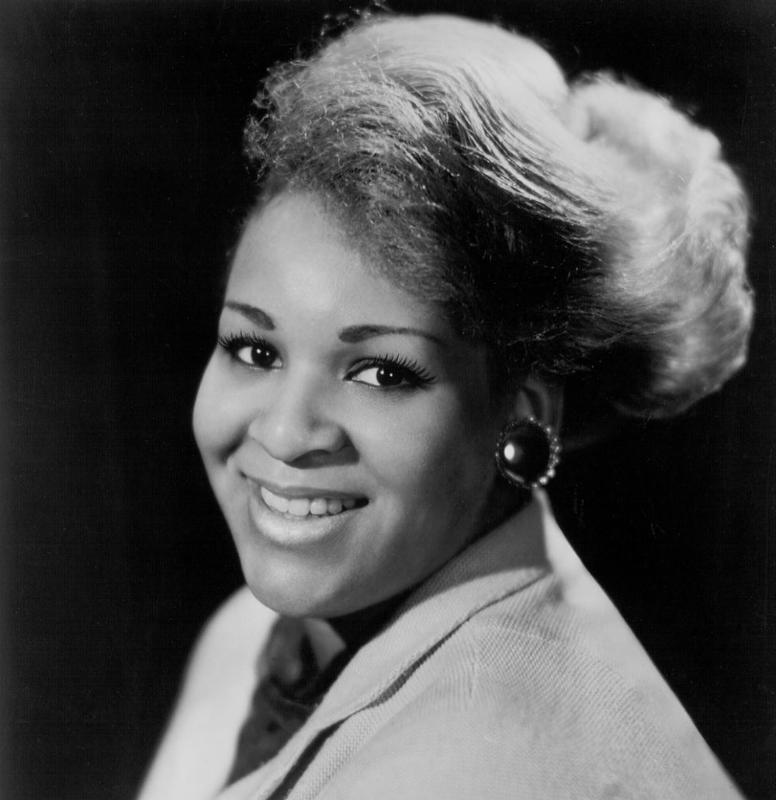
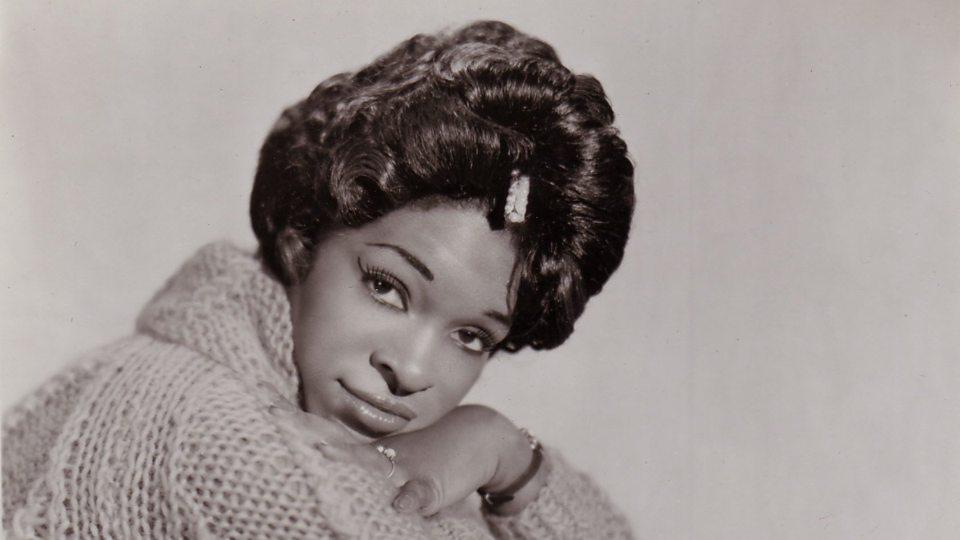
Maxine Brown’s Spotify BioAlthough she never had many hits, Maxine Brown was one of the most underrated soul and R&B vocalists of the '60s, during which time she released a series of singles for Nomar and Wand, with only a few songs -- "All in My Mind," "Funny," "Something You Got," "Oh No Not My Baby" -- managing to become either pop or R&B hits. Despite this, Brown is acknowledged as one of the finest R&B vocalists of her time, capable of delivering soul, jazz, and pop with equal aplomb.
Born in Kingstree, South Carolina, Brown began singing as child, singing with two New York-based gospel groups when she was a teenager. In 1960, she signed with the small Nomar label, who released the smooth soul ballad "All in My Mind" late in the year. The single became a hit, climbing to number two on the R&B charts (number 19 pop), and it was quickly followed by "Funny," which peaked at number three. Brown was poised to become a star, and she moved to ABC-Paramount in 1962, but left the label within a year without scoring… any hits. She signed to the New York-based, uptown soul label Wand in 1963.
Brown recorded her best work at Wand, having a string of moderate hits for the label over the next three years. Among these were the Carole King/Gerry Goffin song "Oh No Not My Baby," which reached number 24 on the pop charts; "It's Gonna Be Alright"; and the Chuck Jackson duets "Something You Got," "Hold On I'm Coming," and "Daddy's Home." Part of the reason Brown didn't receive much exposure is that the label focused much of their attention on Dionne Warwick, leaving Maxine Brown to toil in semi-obscurity. In 1969, she left Wand and signed with Commonwealth United, where she had the minor hits "We'll Cry Together" and "I Can't Get Along Without You." In 1971, she moved to Avco Records, but all of her recordings for the label were ignored and she faded away over the course of the decade. ~ Stephen Thomas Erlewine, Rovi
Viberate is a music analytics platform built for A&Rs, artist managers, labels, booking agents, marketers, and artists.
It helps music professionals track artist growth, analyze audience data, monitor playlist activity, compare artists, follow song performance, and identify opportunities across the music market.
Public artist pages provide a free preview of selected artist data. Paid plans provide access to deeper analytics, historical data, charts, comparisons, playlist tools, exports, alerts, reports, and additional professional features.
Yes. Public Viberate artist pages provide selected artist analytics and music data for free.
Viberate also offers a 7-day free trial of the full platform. A credit card is required to start the trial. The trial includes access to the complete product so users can test deeper artist analytics, historical views, playlist insights, comparisons, charts, exports, alerts, and reporting features before choosing a paid plan.
Viberate provides artist analytics across streaming, playlists, social media, video, radio airplay, songs, and audience markets.
Users can analyze Spotify performance, Spotify and Apple Music playlists, YouTube activity, TikTok and Instagram growth, radio spins, song performance, audience locations, demographics, rankings, and overall artist momentum.
Artist profiles also connect to music charts, similar artists, and comparison tools, helping users benchmark performance and evaluate artists in context.
Viberate updates key artist and track data daily.
For followed artists and tracks, selected data is refreshed multiple times per day. This helps teams monitor playlist changes, streaming movement, audience growth, releases, and campaign performance with more current data.
Update frequency can vary depending on the metric and data source.
Yes. Viberate lets users compare up to five artists side by side across streaming, social media, audience, and engagement metrics.
Users can compare fanbase growth, audience demographics, locations, Spotify performance, social metrics, and other artist data over selected time periods.
Artist comparison can be used for A&R scouting, benchmarking, booking decisions, campaign planning, and evaluating artists with similar audiences or market positions.