Jack Teagarden

Jazz
Big band Jazz
 Viberate Rank: 120947
 Viberate Rank: 120947
 Monthly ListenersFollowers
 Subscribers
 Followers
 Followers
 FansTop Spotify Songs
| Track | 7-Day Streams | |
|---|---|---|
1 | 22.27K | |
2 | 4.72K | |
3 | 3.84K | |
4 | 3.69K | |
5 | 2.04K |
Top YouTube VideosMonthly ListenersFeatured in Playlists| Playlist | Followers | |
|---|---|---|
1 |  1930's-1950's Swing & Jazz michaeldil | 126.92K |
2 | Wasteland Radio Expanded Neale Christopher Zeringue | 76.98K |
3 |  Bosch: Official Series Playlist Prime Video | 46.17K |
4 |  Noël Jazz 🎄 🎺 Chanson Christmas Diner Reveillon Filtr France | 44.32K |
5 |  Essential Classics Essential Classics | 31.39K |
Audience| City | Monthly Listeners | |
|---|---|---|
1 |  | 1.96K |
2 |  | 1.77K |
3 |  | 1.22K |
4 | | 1.21K |
5 |  | 1.21K |
See full performance history, audience data, playlist activity, rankings, comparisons, and more in Viberate music analytics. Start with a free trial, then continue with a paid plan.
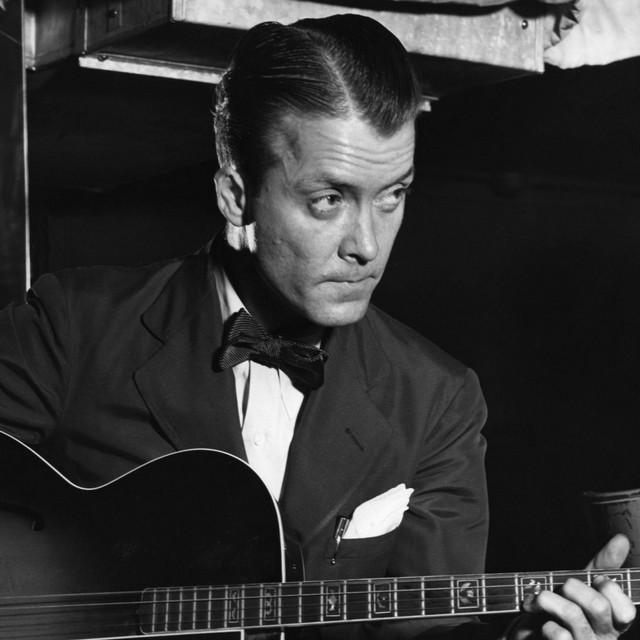
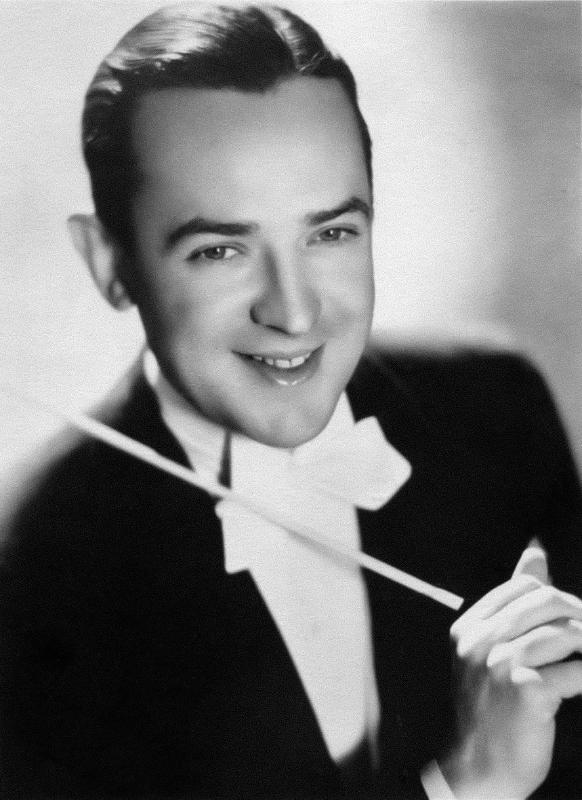
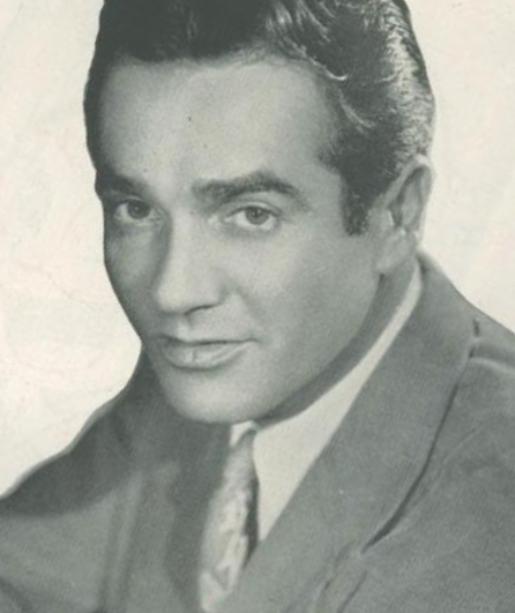
Jack Teagarden’s Spotify BioOne of the classic giants of jazz, Jack Teagarden was not only the top pre-bop trombonist (playing his instrument with the ease of a trumpeter) but one of the best jazz singers too. He was such a fine musician that younger brother Charlie (an excellent trumpeter) was always overshadowed. Jack started on piano at age five (his mother Helen was a ragtime pianist), switched to baritone horn, and finally took up trombone when he was ten. Teagarden worked in the Southwest in a variety of territory bands (most notably with the legendary pianist Peck Kelley) and then caused a sensation when he came to New York in 1928. His daring solos with Ben Pollack caused Glenn Miller to de-emphasize his own playing with the band, and during the late-'20s/early Depression era, "Mr. T." recorded frequently with many groups including units headed by Roger Wolfe Kahn, Eddie Condon, Red Nichols, and Louis Armstrong ("Knockin' a Jug"). His versions of "Basin Street Blues" and "Beale Street Blues" (songs that… would remain in his repertoire for the remainder of his career) were definitive. Teagarden, who was greatly admired by Tommy Dorsey, would have been a logical candidate for fame in the swing era but he made a strategic error. In late 1933, when it looked as if jazz would never catch on commercially, he signed a five-year contract with Paul Whiteman. Although Whiteman's Orchestra did feature Teagarden now and then (and he had a brief period in 1936 playing with a small group from the band, the Three T's, with his brother Charlie and Frankie Trumbauer), the contract effectively kept Teagarden from going out on his own and becoming a star. It certainly prevented him from leading what would eventually became the Bob Crosby Orchestra.
In 1939, Jack Teagarden was finally "free" and he soon put together a big band that would last until 1946. However, it was rather late to be organizing a new orchestra (the competition was fierce) and, although there were some good musical moments, none of the sidemen became famous, the arrangements lacked their own musical personality, and by the time it broke up Teagarden was facing bankruptcy. The trombonist, however, was still a big name (he had fared quite well in the 1940 Bing Crosby film The Birth of the Blues) and he had many friends. Crosby helped Teagarden straighten out his financial problems, and from 1947-1951 he was a star sideman with Louis Armstrong's All-Stars; their collaborations on "Rocking Chair" are classic. After leaving Armstrong, Teagarden was a leader of a steadily working sextet throughout the remainder of his career, playing Dixieland with such talented musicians as brother Charlie, trumpeters Jimmy McPartland, Don Goldie, Max Kaminsky, and (during a 1957 European tour) pianist Earl Hines. Teagarden toured the Far East during 1958-1959, teamed up one last time with Eddie Condon for a television show/recording session in 1961, and had a heartwarming (and fortunately recorded) musical reunion with Charlie, sister/pianist Norma, and his mother at the 1963 Monterey Jazz Festival. He died from a heart attack four months later and has yet to be replaced. ~ Scott Yanow, Rovi
Viberate is a music analytics platform built for A&Rs, artist managers, labels, booking agents, marketers, and artists.
It helps music professionals track artist growth, analyze audience data, monitor playlist activity, compare artists, follow song performance, and identify opportunities across the music market.
Public artist pages provide a free preview of selected artist data. Paid plans provide access to deeper analytics, historical data, charts, comparisons, playlist tools, exports, alerts, reports, and additional professional features.
Yes. Public Viberate artist pages provide selected artist analytics and music data for free.
Viberate also offers a 7-day free trial of the full platform. A credit card is required to start the trial. The trial includes access to the complete product so users can test deeper artist analytics, historical views, playlist insights, comparisons, charts, exports, alerts, and reporting features before choosing a paid plan.
Viberate provides artist analytics across streaming, playlists, social media, video, radio airplay, songs, and audience markets.
Users can analyze Spotify performance, Spotify and Apple Music playlists, YouTube activity, TikTok and Instagram growth, radio spins, song performance, audience locations, demographics, rankings, and overall artist momentum.
Artist profiles also connect to music charts, similar artists, and comparison tools, helping users benchmark performance and evaluate artists in context.
Viberate updates key artist and track data daily.
For followed artists and tracks, selected data is refreshed multiple times per day. This helps teams monitor playlist changes, streaming movement, audience growth, releases, and campaign performance with more current data.
Update frequency can vary depending on the metric and data source.
Yes. Viberate lets users compare up to five artists side by side across streaming, social media, audience, and engagement metrics.
Users can compare fanbase growth, audience demographics, locations, Spotify performance, social metrics, and other artist data over selected time periods.
Artist comparison can be used for A&R scouting, benchmarking, booking decisions, campaign planning, and evaluating artists with similar audiences or market positions.