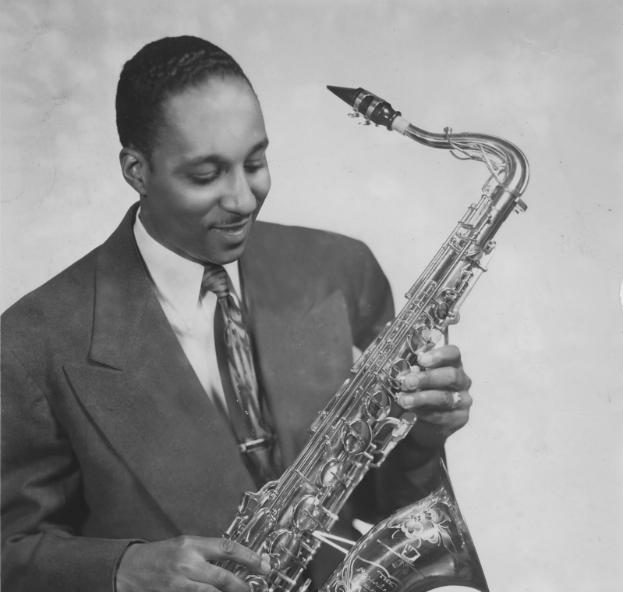
Julian Dash

Jazz
Swing
Smooth Jazz
 Viberate Rank: 611658
 Viberate Rank: 611658
 Monthly ListenersFollowers
 Subscribers
 Followers
 Followers
 FansTop Spotify Songs
| Track | 7-Day Streams | |
|---|---|---|
1 | 98 | |
2 | 59 | |
3 | 49 | |
4 | 29 | |
5 | 24 |
Top YouTube VideosMonthly ListenersFeatured in Playlists| Playlist | Followers | |
|---|---|---|
1 | Swing Music for Dancers jquinlanspotify | 14.57K |
2 | Lindy Hop Melissa Marzigliano | 2.44K |
3 |  Ultimate John Williams Derek Voorhees | 2.23K |
4 | Latin Jazz CVI.CHE 105 | 1.97K |
5 |  The Sound of Tin Pan Alley The Sounds of Spotify | 1.30K |
Audience| City | Monthly Listeners | |
|---|---|---|
1 |  | 39 |
2 | | 33 |
3 |  | 25 |
4 |  | 25 |
5 | | 22 |
See full performance history, audience data, playlist activity, rankings, comparisons, and more in Viberate music analytics. Start with a free trial, then continue with a paid plan.
Julian Dash’s Spotify BioA consummate section player, Julian Dash made some recordings as a leader late in his career but did his most memorable work while a member of Erskine Hawkins orchestra. He joined Hawkins in 1938. Only when Hawkins reduced the size of his band many years later did Dash begin doing other dates, both large and small group sessions. Dash started on alto, and debuted in the Charleston Nighthawks in 1935. He played tenor in the Revellers and the Bama State Collegians at Alabama State Teachers College in 1935 and 1936, then went to New York to study embalming. He headed his own group from 1936 until he joined Hawkins in 1938, replacing Paul Bascomb. When the group disbanded in the mid-'50s, Dash became a part-time player. He did work with the Marlowe Morris Trio in the '60s, and led his own quintet in 1970 and 1971 before retiring. Dash co-wrote the song "Tuxedo Junction." ~ Ron Wynn
Viberate is a music analytics platform built for A&Rs, artist managers, labels, booking agents, marketers, and artists.
It helps music professionals track artist growth, analyze audience data, monitor playlist activity, compare artists, follow song performance, and identify opportunities across the music market.
Public artist pages provide a free preview of selected artist data. Paid plans provide access to deeper analytics, historical data, charts, comparisons, playlist tools, exports, alerts, reports, and additional professional features.
Yes. Public Viberate artist pages provide selected artist analytics and music data for free.
Viberate also offers a 7-day free trial of the full platform. A credit card is required to start the trial. The trial includes access to the complete product so users can test deeper artist analytics, historical views, playlist insights, comparisons, charts, exports, alerts, and reporting features before choosing a paid plan.
Viberate provides artist analytics across streaming, playlists, social media, video, radio airplay, songs, and audience markets.
Users can analyze Spotify performance, Spotify and Apple Music playlists, YouTube activity, TikTok and Instagram growth, radio spins, song performance, audience locations, demographics, rankings, and overall artist momentum.
Artist profiles also connect to music charts, similar artists, and comparison tools, helping users benchmark performance and evaluate artists in context.
Viberate updates key artist and track data daily.
For followed artists and tracks, selected data is refreshed multiple times per day. This helps teams monitor playlist changes, streaming movement, audience growth, releases, and campaign performance with more current data.
Update frequency can vary depending on the metric and data source.
Yes. Viberate lets users compare up to five artists side by side across streaming, social media, audience, and engagement metrics.
Users can compare fanbase growth, audience demographics, locations, Spotify performance, social metrics, and other artist data over selected time periods.
Artist comparison can be used for A&R scouting, benchmarking, booking decisions, campaign planning, and evaluating artists with similar audiences or market positions.