Ingvar Wixell

Classical
Opera
Classical Crossover
 Viberate Rank: 371158
 Viberate Rank: 371158
 Monthly ListenersFollowers
 Subscribers
 Followers
 Followers
 FansTop Spotify Songs
| Track | 7-Day Streams | |
|---|---|---|
1 | 1.81K | |
2 | 1.23K | |
3 | 1.02K | |
4 | 919 | |
5 | 703 |
Top YouTube VideosMonthly ListenersFeatured in Playlists| Playlist | Followers | |
|---|---|---|
1 |  Easy Listening Classical For Study, Work, Relaxing, Chillout, Anything But Serious Listening Ulysses' Classical | 99.24K |
2 |  This Is Puccini Spotify | 86.02K |
3 |  Mozart - Complete Chronological Catalogue based on Köchel catalogue K6 Ulysses' Classical | 9.54K |
4 | Dies Irae: Dark and Epic Classical Music chaiteabohemian | 3.89K |
5 |  Pagliaccio Pavarotti (opera) Blanca 👌❤️ | 3.28K |
Audience| City | Monthly Listeners | |
|---|---|---|
1 |  | 409 |
2 |  | 379 |
3 |  | 338 |
4 |  | 330 |
5 |  | 285 |
See full performance history, audience data, playlist activity, rankings, comparisons, and more in Viberate music analytics. Start with a free trial, then continue with a paid plan.
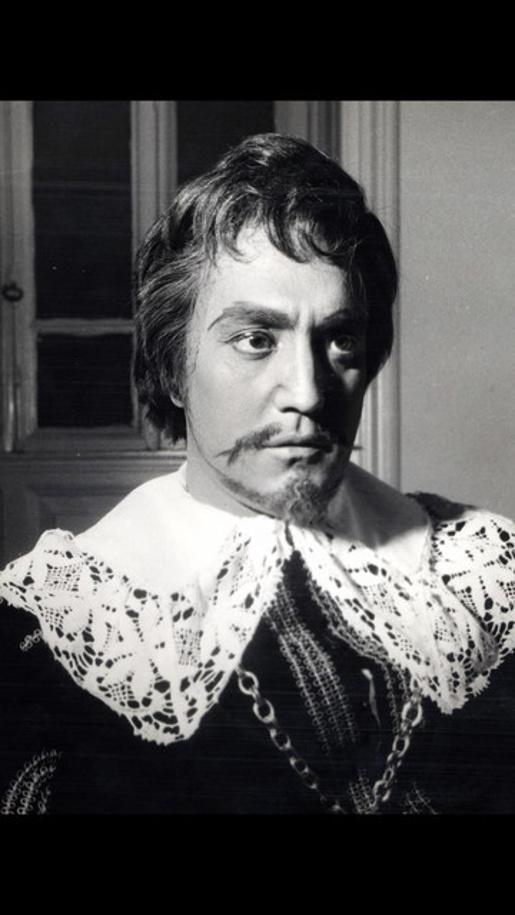
Ingvar Wixell’s Spotify BioIngvar Wixell was one of the leading operatic baritones of the 20th century. He had a commanding stage presence and dark baritone voice that made him suited for the most dramatic roles, but was also highly effective in comic roles.
He studied in Stockholm. His first operatic appearance was as Papageno in Mozart's The Magic Flute. His first international appearance came when the Stockholm Royal Opera visited London's Covent Garden in 1960. Then he performed as Ruggiero in Handel's Alcina.
His first appearance at Glyndebourne Festival Opera was as Guglielmo in Così fan tutte. Later that year, he sang the same role at the Deutsche Oper, Berlin, and was thereupon invited to join it. He became a member of the company in 1963. In 1965 he sang in the popular Eurovision Song Contest. In 1966 he created the role of Pentheus in the world premiere of Hans Werner Henze's The Bassarids at Salzburg. His American debut was in San Francisco as Belcore in L'elisir d'amore, and first sang at the Met in… 1973 as Rigoletto.
The Deutsche Oper was the company with which he was most closely associated. He remained on its roster for 35 years, leaving it after his final performance as Scarpia in Puccini's Tosca on November 9, 1998. Scarpia might have been his signature role, but he also sang many Verdi roles, including Don Carlo in La forza del destino, Simon Boccanegra, and Rigoletto. Others of his most important roles were Eugene Onegin, Mandryka in Strauss's Arabella, and the Count in Mozart's Marriage of Figaro. In the later part of his career he became a memorable exponent of Verdi's Falstaff, and in 1998 received raves for his singing and comic acting in Donizetti's Viva la Mamma! as Mamma Agatha.
Viberate is a music analytics platform built for A&Rs, artist managers, labels, booking agents, marketers, and artists.
It helps music professionals track artist growth, analyze audience data, monitor playlist activity, compare artists, follow song performance, and identify opportunities across the music market.
Public artist pages provide a free preview of selected artist data. Paid plans provide access to deeper analytics, historical data, charts, comparisons, playlist tools, exports, alerts, reports, and additional professional features.
Yes. Public Viberate artist pages provide selected artist analytics and music data for free.
Viberate also offers a 7-day free trial of the full platform. A credit card is required to start the trial. The trial includes access to the complete product so users can test deeper artist analytics, historical views, playlist insights, comparisons, charts, exports, alerts, and reporting features before choosing a paid plan.
Viberate provides artist analytics across streaming, playlists, social media, video, radio airplay, songs, and audience markets.
Users can analyze Spotify performance, Spotify and Apple Music playlists, YouTube activity, TikTok and Instagram growth, radio spins, song performance, audience locations, demographics, rankings, and overall artist momentum.
Artist profiles also connect to music charts, similar artists, and comparison tools, helping users benchmark performance and evaluate artists in context.
Viberate updates key artist and track data daily.
For followed artists and tracks, selected data is refreshed multiple times per day. This helps teams monitor playlist changes, streaming movement, audience growth, releases, and campaign performance with more current data.
Update frequency can vary depending on the metric and data source.
Yes. Viberate lets users compare up to five artists side by side across streaming, social media, audience, and engagement metrics.
Users can compare fanbase growth, audience demographics, locations, Spotify performance, social metrics, and other artist data over selected time periods.
Artist comparison can be used for A&R scouting, benchmarking, booking decisions, campaign planning, and evaluating artists with similar audiences or market positions.