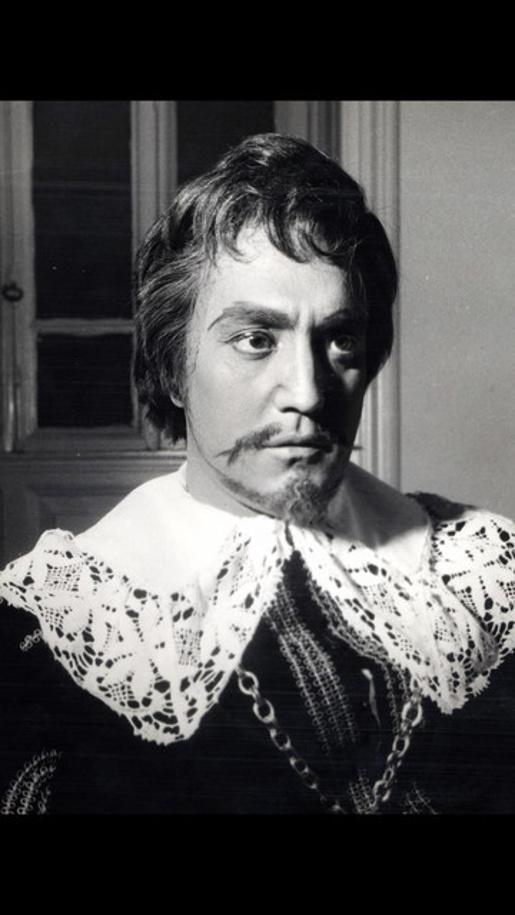
Piero Cappuccilli

Classical
Opera
 Viberate Rank: 237071
 Viberate Rank: 237071
 Monthly ListenersFollowers
 Subscribers
 Followers
 Followers
 FansTop Spotify Songs
| Track | 7-Day Streams | |
|---|---|---|
1 | 2.53K | |
2 | 1.43K | |
3 | 1.19K | |
4 | 1.14K | |
5 | 1.03K |
Top YouTube VideosMonthly ListenersFeatured in Playlists| Playlist | Followers | |
|---|---|---|
1 |  This Is Verdi Spotify | 91.25K |
2 |  The Sound of Everything The Sounds of Spotify | 53.82K |
3 | Arias de Opera - Las mas bellas Jaime.Enjoy | 16.56K |
4 | Opern Klassiker marlise.ohayon | 10.75K |
5 | The best of the Three Tenors geodrakis | 7.87K |
Audience| City | Monthly Listeners | |
|---|---|---|
1 |  | 829 |
2 |  | 753 |
3 | | 693 |
4 |  | 571 |
5 |  | 550 |
See full performance history, audience data, playlist activity, rankings, comparisons, and more in Viberate music analytics. Start with a free trial, then continue with a paid plan.
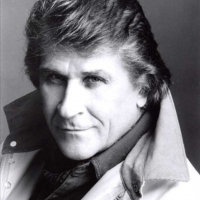
Piero Cappuccilli’s Spotify BioPiero Cappuccilli was one of the premier baritones of his generation, most closely associated with the music of Verdi. His wide range, of more than two-and-a-half octaves, and his near-legendary breath control were perfectly suited to even the most demanding roles. While his physical acting was generally limited, he was a fine vocal interpreter who eschewed extra-musical effects in favor of lyrical nuance.
Cappuccilli had no interest in music while he was growing up, and it took the combined persuasion of several family members--opera lovers who had been impressed by the quality of his untrained voice--to convince him to consider music as a career. He auditioned at a local opera house in 1949, where Luciano Donnaggio (a retired singer beginning a second career as a teacher) heard him and urged him to study. Cappuccilli was still reluctant, believing he had a better potential career as an architect, and even briefly discontinued his lessons, until Donnaggio's urging and the offer of free… lessons persuaded him to resume studies in 1950. Cappuccilli's wide range was largely innate, and he had developed excellent breath control due to his enthusiastic sports participation, particularly diving and swimming. Donnaggio and he worked on applying that breath control to singing, sustaining a phrase and developing the technique of messa di voce.
In 1955, Cappuccilli auditioned for La Scala in Milan, where the auditioners, deeply impressed, encourage him to enter the Viotti competition. After his first place award, the Teatro Nuovo engaged him to sing Tonio in Pagliacci, and in 1957 he made his debut. In 1958, he sang Monforte (I Vespri Siciliani) in his Palermo debut under Tulio Serafin, who invited him to sing Enrico in his upcoming recording of Lucia di Lammermoor with Maria Callas. He was soon engaged to sing at other houses in Italy and abroad, making his Met debut as Germont in 1960, and his La Scala debut in 1964. He made his Covent Garden debut in 1967 as Germont in La Traviata, and his United States debut in 1969 at the Lyric Opera of Chicago in a relative rarity--Verdi's I due Foscari.
Through the 1970s, he developed his repertoire carefully, balancing the Verdi with bel canto roles, such as Rossini's Figaro, and waiting to add the heavier roles, such as Simon Boccanegra.
Viberate is a music analytics platform built for A&Rs, artist managers, labels, booking agents, marketers, and artists.
It helps music professionals track artist growth, analyze audience data, monitor playlist activity, compare artists, follow song performance, and identify opportunities across the music market.
Public artist pages provide a free preview of selected artist data. Paid plans provide access to deeper analytics, historical data, charts, comparisons, playlist tools, exports, alerts, reports, and additional professional features.
Yes. Public Viberate artist pages provide selected artist analytics and music data for free.
Viberate also offers a 7-day free trial of the full platform. A credit card is required to start the trial. The trial includes access to the complete product so users can test deeper artist analytics, historical views, playlist insights, comparisons, charts, exports, alerts, and reporting features before choosing a paid plan.
Viberate provides artist analytics across streaming, playlists, social media, video, radio airplay, songs, and audience markets.
Users can analyze Spotify performance, Spotify and Apple Music playlists, YouTube activity, TikTok and Instagram growth, radio spins, song performance, audience locations, demographics, rankings, and overall artist momentum.
Artist profiles also connect to music charts, similar artists, and comparison tools, helping users benchmark performance and evaluate artists in context.
Viberate updates key artist and track data daily.
For followed artists and tracks, selected data is refreshed multiple times per day. This helps teams monitor playlist changes, streaming movement, audience growth, releases, and campaign performance with more current data.
Update frequency can vary depending on the metric and data source.
Yes. Viberate lets users compare up to five artists side by side across streaming, social media, audience, and engagement metrics.
Users can compare fanbase growth, audience demographics, locations, Spotify performance, social metrics, and other artist data over selected time periods.
Artist comparison can be used for A&R scouting, benchmarking, booking decisions, campaign planning, and evaluating artists with similar audiences or market positions.