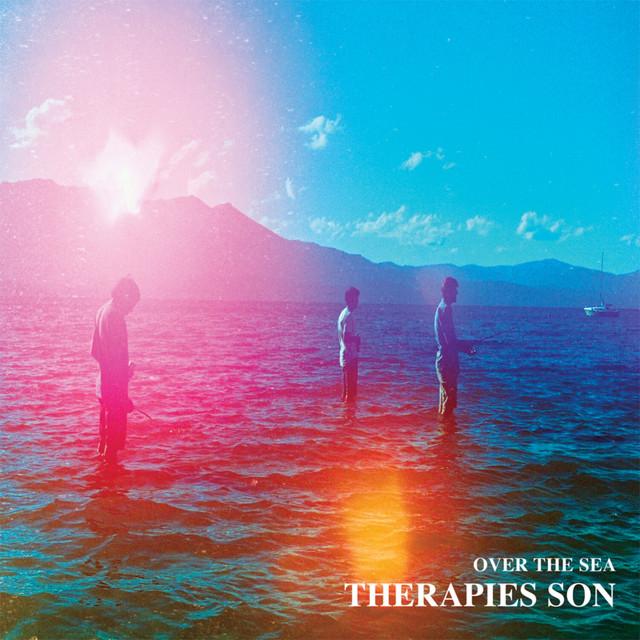
Idiot Glee

Rock
Psychedelic Rock
Lo-Fi
 Viberate Rank: 468265
 Viberate Rank: 468265
 Monthly ListenersFollowers
 Subscribers
 Followers
 Followers
 FansTop Spotify Songs
| Track | 7-Day Streams | |
|---|---|---|
1 | 57 | |
2 | 42 | |
3 | 16 | |
4 | 13 | |
5 | 8 |
Top YouTube VideosMonthly ListenersFeatured in Playlists| Playlist | Followers | |
|---|---|---|
1 | space rock & psychedelia Edson Alejandro Adame | 8.05K |
2 | Burger Records Stu White | 3.34K |
3 |  BIRP! 2009 - 2019 BIRP! | 2.20K |
4 | Best Kept Secret 2013 Best Kept Secret Festival | 1.90K |
5 | Intimate Music - Bon Iver, Glen Hansard, Damien Rice, Anais Mitchel... by Quico Tretze Quico Tretze | 1.85K |
Audience| City | Monthly Listeners | |
|---|---|---|
1 |  | 12 |
2 | | 9 |
3 | | 9 |
4 | | 8 |
5 | | 8 |
See full performance history, audience data, playlist activity, rankings, comparisons, and more in Viberate music analytics. Start with a free trial, then continue with a paid plan.
Idiot Glee’s Spotify BioCombining elements of space rock, Arthur Russell, chillwave, and the Beach Boys' Smile sessions, Lexington, Kentucky-based indie pop crooner James Friley's echo-laden, keyboard-driven alter ego Idiot Glee first appeared in 2008 after the classically trained pianist decided to leave his lo-fi punk outfit for a life of loops and samples. Occupying the same rainy porch milieu as acts like Twin Shadow, Summer Camp, and Perfume Genius, Friley's debut single, "All Packed Up" was released in 2010. Moody, atmospheric, and tinged with the hymnal colors of a strict Mormon upbringing, Idiot Glee's full-length studio debut, Paddywhacking, arrived in March, 2011 on Moshi Moshi Records. Riding acclaim for his debut, Friley followed up in 2013 with two new releases, the Life Without Jazz EP and the all-instrumental, classically-minded album, The Prairie. Recording for a number of labels, including his own Hop Hop Records, Friley continued to his prolific run with 2014's more pop-centric Four and a… handful of early-2016 singles preceding his next self-titled album, which arrived in late January. ~ James Christopher Monger, Rovi
Viberate is a music analytics platform built for A&Rs, artist managers, labels, booking agents, marketers, and artists.
It helps music professionals track artist growth, analyze audience data, monitor playlist activity, compare artists, follow song performance, and identify opportunities across the music market.
Public artist pages provide a free preview of selected artist data. Paid plans provide access to deeper analytics, historical data, charts, comparisons, playlist tools, exports, alerts, reports, and additional professional features.
Yes. Public Viberate artist pages provide selected artist analytics and music data for free.
Viberate also offers a 7-day free trial of the full platform. A credit card is required to start the trial. The trial includes access to the complete product so users can test deeper artist analytics, historical views, playlist insights, comparisons, charts, exports, alerts, and reporting features before choosing a paid plan.
Viberate provides artist analytics across streaming, playlists, social media, video, radio airplay, songs, and audience markets.
Users can analyze Spotify performance, Spotify and Apple Music playlists, YouTube activity, TikTok and Instagram growth, radio spins, song performance, audience locations, demographics, rankings, and overall artist momentum.
Artist profiles also connect to music charts, similar artists, and comparison tools, helping users benchmark performance and evaluate artists in context.
Viberate updates key artist and track data daily.
For followed artists and tracks, selected data is refreshed multiple times per day. This helps teams monitor playlist changes, streaming movement, audience growth, releases, and campaign performance with more current data.
Update frequency can vary depending on the metric and data source.
Yes. Viberate lets users compare up to five artists side by side across streaming, social media, audience, and engagement metrics.
Users can compare fanbase growth, audience demographics, locations, Spotify performance, social metrics, and other artist data over selected time periods.
Artist comparison can be used for A&R scouting, benchmarking, booking decisions, campaign planning, and evaluating artists with similar audiences or market positions.