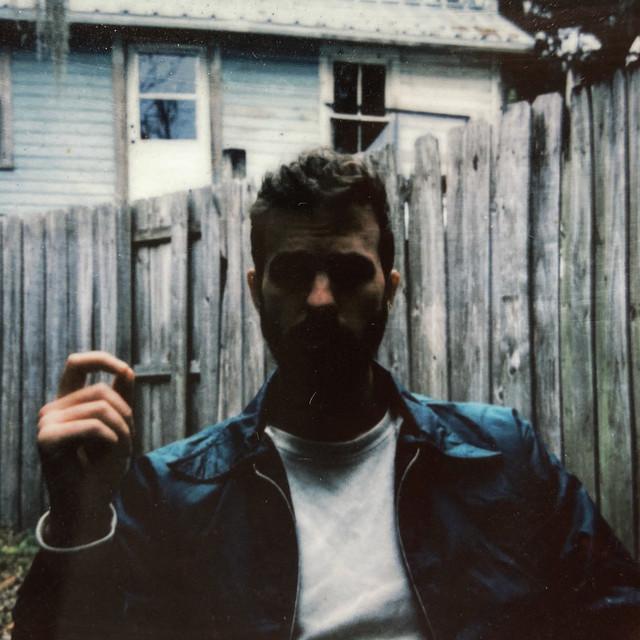
Levek

Rock
Alternative Rock
Indie Pop
 Viberate Rank: 498285
 Viberate Rank: 498285
 Monthly ListenersFollowers
 Subscribers
 Followers
 Followers
 FansTop Spotify Songs
| Track | 7-Day Streams | |
|---|---|---|
1 | 40 | |
2 | 34 | |
3 | 25 | |
4 | 24 | |
5 | 19 |
Top YouTube VideosMonthly ListenersFeatured in Playlists| Playlist | Followers | |
|---|---|---|
1 |  Duyster (all tracks ever played) Wike | 8.15K |
2 |  Mysterious Universe (music from) pigwink | 2.59K |
3 |  BIRP! 2009 - 2019 BIRP! | 2.20K |
4 |  Deixa A Gira Girar (j g b edit) Gustavo Penteado | 2.10K |
5 |  Soma Fm - Secret Agent polob12 | 1.83K |
Audience| City | Monthly Listeners | |
|---|---|---|
1 |  | 7 |
2 | | 5 |
3 | | 5 |
4 |  | 4 |
5 | | 4 |
See full performance history, audience data, playlist activity, rankings, comparisons, and more in Viberate music analytics. Start with a free trial, then continue with a paid plan.
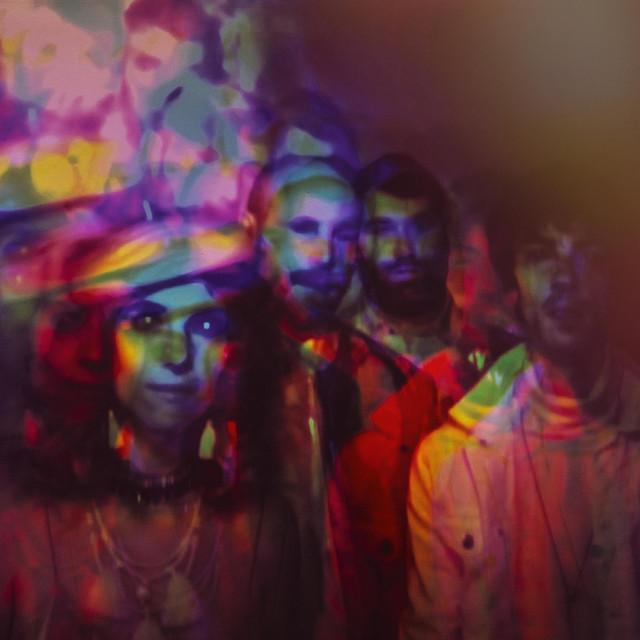
Levek’s Spotify BioLevek is the moniker of Florida musician David Levesque's solo project. Levesque worked by day as an elementary school bus driver and retreated into a world of home recording by night. Beginning the band in Orlando, Florida in 2009, Levek first appeared in the form of a nine-song demo posted online. The songs were quickly celebrated by several tastemaking blogs for their insular beauty, and bore similarities to the dreamier moments of orchestral indie-folk mavens like Grizzly Bear, Devendra Banhart, or Sufjan Stevens. Levesque also cited Disney movies as a key inspiration for his whimsically melancholic sounds. The group followed with a self-titled 7" in November of 2010, relocating to Gainesville, Florida and occasionally enlisting various friends and musicians to represent the live version of the band at sporadic shows. The band's first proper album, Look a Little Closer, was released in late 2012 by Lefse Records. ~ Fred Thomas, Rovi
Viberate is a music analytics platform built for A&Rs, artist managers, labels, booking agents, marketers, and artists.
It helps music professionals track artist growth, analyze audience data, monitor playlist activity, compare artists, follow song performance, and identify opportunities across the music market.
Public artist pages provide a free preview of selected artist data. Paid plans provide access to deeper analytics, historical data, charts, comparisons, playlist tools, exports, alerts, reports, and additional professional features.
Yes. Public Viberate artist pages provide selected artist analytics and music data for free.
Viberate also offers a 7-day free trial of the full platform. A credit card is required to start the trial. The trial includes access to the complete product so users can test deeper artist analytics, historical views, playlist insights, comparisons, charts, exports, alerts, and reporting features before choosing a paid plan.
Viberate provides artist analytics across streaming, playlists, social media, video, radio airplay, songs, and audience markets.
Users can analyze Spotify performance, Spotify and Apple Music playlists, YouTube activity, TikTok and Instagram growth, radio spins, song performance, audience locations, demographics, rankings, and overall artist momentum.
Artist profiles also connect to music charts, similar artists, and comparison tools, helping users benchmark performance and evaluate artists in context.
Viberate updates key artist and track data daily.
For followed artists and tracks, selected data is refreshed multiple times per day. This helps teams monitor playlist changes, streaming movement, audience growth, releases, and campaign performance with more current data.
Update frequency can vary depending on the metric and data source.
Yes. Viberate lets users compare up to five artists side by side across streaming, social media, audience, and engagement metrics.
Users can compare fanbase growth, audience demographics, locations, Spotify performance, social metrics, and other artist data over selected time periods.
Artist comparison can be used for A&R scouting, benchmarking, booking decisions, campaign planning, and evaluating artists with similar audiences or market positions.