Heavy Hawaii

Rock
Pop Rock
Space Rock
 Viberate Rank: 450352
 Viberate Rank: 450352
 Monthly ListenersFollowers
 Subscribers
 Followers
 Followers
 FansTop Spotify Songs
| Track | 7-Day Streams | |
|---|---|---|
1 | 27 | |
2 | 19 | |
3 | 14 | |
4 | 12 | |
5 | 11 |
Top YouTube VideosMonthly ListenersFeatured in Playlists| Playlist | Followers | |
|---|---|---|
1 | We Are Hunted Emerging Chart We Are Hunted | 9.69K |
2 |  Surf rock/psychadelic/jingly jangly Sam Gbr Vy | 8.46K |
3 | space rock & psychedelia Edson Alejandro Adame | 8.05K |
4 |  BIRP! 2009 - 2019 BIRP! | 2.20K |
5 | Surf-Indie-Garage-Punk-Psycho-Shoegaze-Fuzz-Blues -> Novel Alternative Playlist Louie Louie Rama Lamadindon | 1.70K |
Audience| City | Monthly Listeners | |
|---|---|---|
1 | | 14 |
2 | | 12 |
3 | | 10 |
4 | | 6 |
5 | | 5 |
See full performance history, audience data, playlist activity, rankings, comparisons, and more in Viberate music analytics. Start with a free trial, then continue with a paid plan.
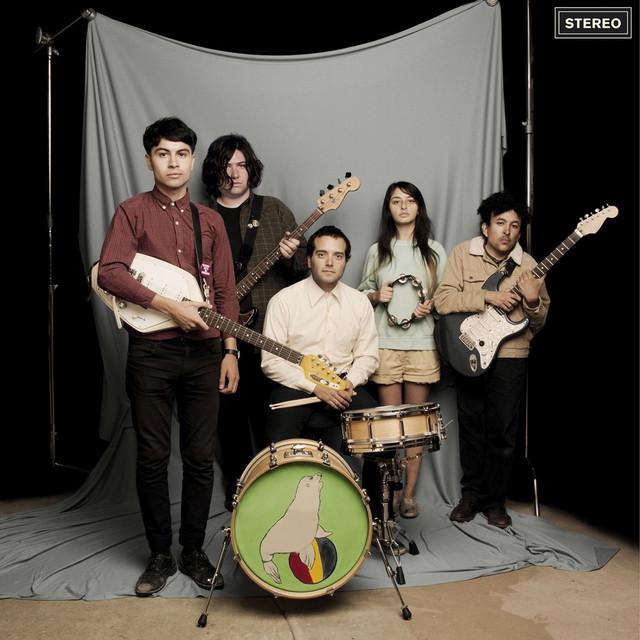
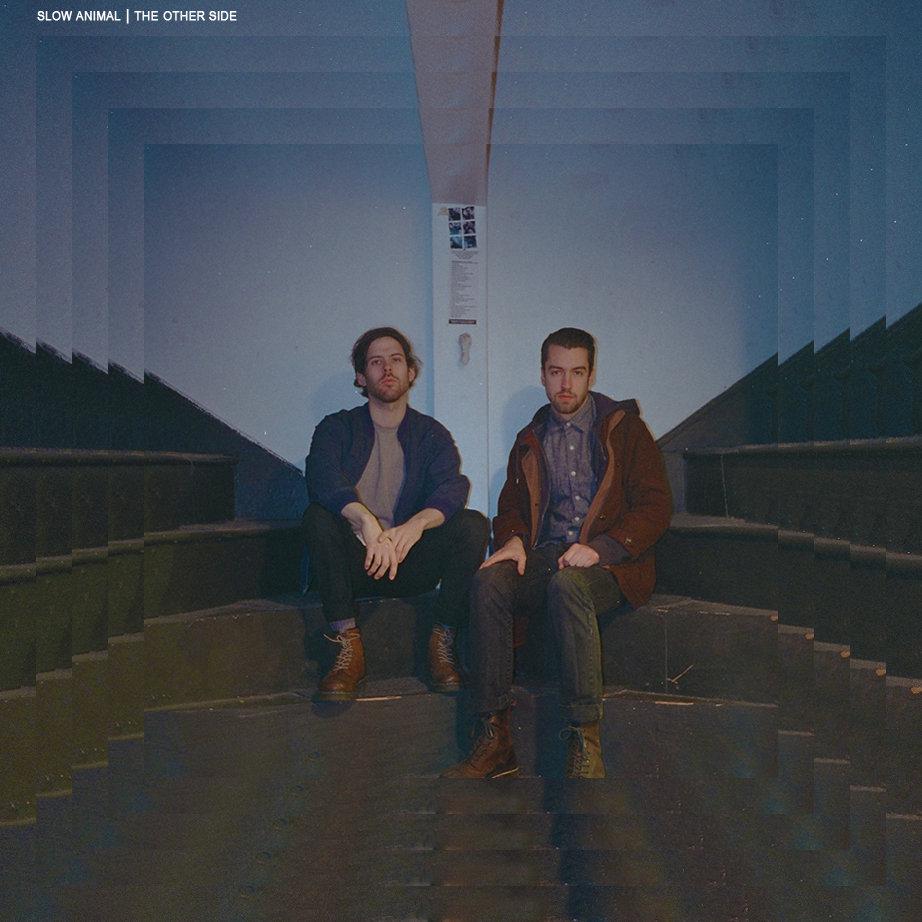
Heavy Hawaii’s Spotify BioThe duo Heavy Hawaii is a couple of lo-fi weirdos who seem dedicated to capturing the voices that swirl inside Brian Wilson's head. Hailing from San Diego, Matt Bahamas (vocals/keys/guitar) and Jojo Keylargo (guitar) make music that sounds like a cough syrup-addled Beach Boys recording a spooky, yet still very poppy, soundtrack to a cheesy horror film. They made their debut in 2009 with a song ("Sleeping Bag") on Bathetic Records' Summer Bummer Get Laid Get Wasted Mixtape, before making it onto vinyl in 2010 with the Teen Angel EP for Art Fag Records and a split single with Girls Names. They followed up this flurry of activity slowly, with the "Super Bowl Xxix" single in 2012, and finally releasing a full-length, Goosebumps, in early 2013 for Art Fag. ~ Tim Sendra, Rovi
Viberate is a music analytics platform built for A&Rs, artist managers, labels, booking agents, marketers, and artists.
It helps music professionals track artist growth, analyze audience data, monitor playlist activity, compare artists, follow song performance, and identify opportunities across the music market.
Public artist pages provide a free preview of selected artist data. Paid plans provide access to deeper analytics, historical data, charts, comparisons, playlist tools, exports, alerts, reports, and additional professional features.
Yes. Public Viberate artist pages provide selected artist analytics and music data for free.
Viberate also offers a 7-day free trial of the full platform. A credit card is required to start the trial. The trial includes access to the complete product so users can test deeper artist analytics, historical views, playlist insights, comparisons, charts, exports, alerts, and reporting features before choosing a paid plan.
Viberate provides artist analytics across streaming, playlists, social media, video, radio airplay, songs, and audience markets.
Users can analyze Spotify performance, Spotify and Apple Music playlists, YouTube activity, TikTok and Instagram growth, radio spins, song performance, audience locations, demographics, rankings, and overall artist momentum.
Artist profiles also connect to music charts, similar artists, and comparison tools, helping users benchmark performance and evaluate artists in context.
Viberate updates key artist and track data daily.
For followed artists and tracks, selected data is refreshed multiple times per day. This helps teams monitor playlist changes, streaming movement, audience growth, releases, and campaign performance with more current data.
Update frequency can vary depending on the metric and data source.
Yes. Viberate lets users compare up to five artists side by side across streaming, social media, audience, and engagement metrics.
Users can compare fanbase growth, audience demographics, locations, Spotify performance, social metrics, and other artist data over selected time periods.
Artist comparison can be used for A&R scouting, benchmarking, booking decisions, campaign planning, and evaluating artists with similar audiences or market positions.