Ian Moore

Blues
Blues Rock
Folk Rock
Americana/Alt Country
 Viberate Rank: 167168
 Viberate Rank: 167168
 Monthly ListenersFollowers
 Subscribers
 Followers
 Followers
 FansTop Spotify Songs
| Track | 7-Day Streams | |
|---|---|---|
1 | 2.44K | |
2 | 788 | |
3 | 477 | |
4 | 375 | |
5 | 284 |
Top YouTube Videos| Video | 7-Day Views | |
|---|---|---|
1 | 105 | |
2 | 70 | |
3 | 64 | |
4 | 58 | |
5 | 56 |
Monthly ListenersFeatured in Playlists| Playlist | Followers | |
|---|---|---|
1 |  New Blues | Blues Rock | Americana 🎸 by Don's Tunes Don's Tunes | 28.47K |
2 |  Ode to Blithesome Glee dwelyn | 6.32K |
3 |  MIDNIGHT in MISSISSIPPI Sugar Lodge Records | 3.74K |
4 | Marianne Burns Dean | 2.88K |
5 |  The Austin G.O.A.T.s +🐐 bdoggiedog | 2.68K |
Audience| City | Monthly Listeners | |
|---|---|---|
1 | | 465 |
2 | | 445 |
3 | | 402 |
4 | | 342 |
5 | | 221 |
See full performance history, audience data, playlist activity, rankings, comparisons, and more in Viberate music analytics. Start with a free trial, then continue with a paid plan.
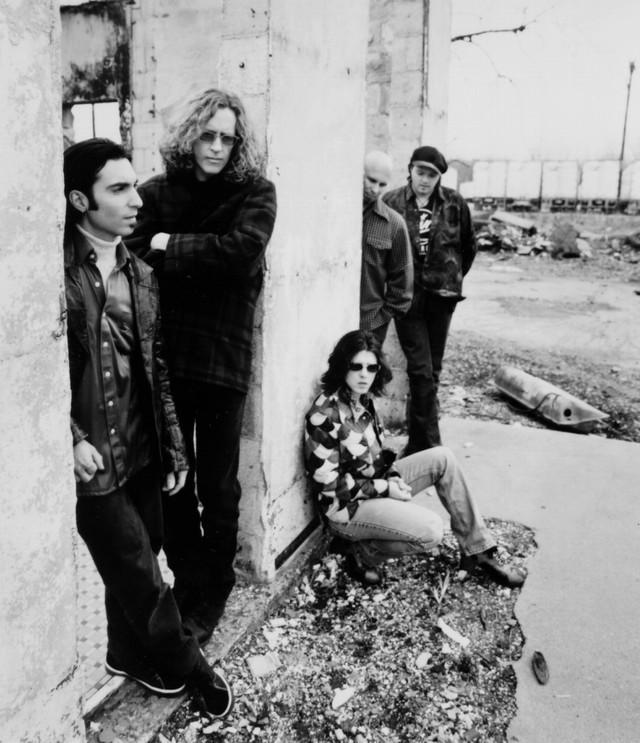
Ian Moore’s Spotify BioEncouraged by his parents, Ian Moore took up the violin at age six, moving to guitar nine years later. The Austin-based blues-rocker's early influences included the Beatles, Curtis Mayfield, Stevie Wonder, and Sly & the Family Stone. Moore gained experience touring as a guitarist with Joe Ely; this led the way to a solo tour opening for the Rolling Stones and ZZ Top. He then signed with Capricorn; three records followed from 1993-1995: Ian Moore, Live from Austin EP, and Modernday Folklore.
It was his last Capricorn release, Modernday Folklore, that suggested that the Texan was looking beyond the blues-rock roots of his home state toward a more expansive sound. Hints of Southern soul, gospel and Beatlesque pop shook hands with the blues riffs that Moore had previously traded in exclusively. It was four years before his next album, but when Ian Moore's Got the Green Grass appeared in 1999, the transformation from blues-rocker was complete. His lauded guitar work wasn't abandoned, but was… no longer the sole force driving Moore's songs. He continued to explore the blues, as well as highly crafted pop songs with his 2000 release, And All the Colors, creating a unique album dynamic in the process of balancing the two styles.
Always noted for his live performances, Ian Moore released his first full-length live album in 2001, Via Satellite, with his touring band Action Company. Where electric blues and atmospheric songwriting had been juggled on previous recordings, Via Satellite managed to meld the two with excellent effect. In 2004, Moore returned with his first release on the North Carolina-based Yep Roc label, Luminaria. Three years later, To Be Loved was issued on Justice. ~ John Bush, Rovi
Viberate is a music analytics platform built for A&Rs, artist managers, labels, booking agents, marketers, and artists.
It helps music professionals track artist growth, analyze audience data, monitor playlist activity, compare artists, follow song performance, and identify opportunities across the music market.
Public artist pages provide a free preview of selected artist data. Paid plans provide access to deeper analytics, historical data, charts, comparisons, playlist tools, exports, alerts, reports, and additional professional features.
Yes. Public Viberate artist pages provide selected artist analytics and music data for free.
Viberate also offers a 7-day free trial of the full platform. A credit card is required to start the trial. The trial includes access to the complete product so users can test deeper artist analytics, historical views, playlist insights, comparisons, charts, exports, alerts, and reporting features before choosing a paid plan.
Viberate provides artist analytics across streaming, playlists, social media, video, radio airplay, songs, and audience markets.
Users can analyze Spotify performance, Spotify and Apple Music playlists, YouTube activity, TikTok and Instagram growth, radio spins, song performance, audience locations, demographics, rankings, and overall artist momentum.
Artist profiles also connect to music charts, similar artists, and comparison tools, helping users benchmark performance and evaluate artists in context.
Viberate updates key artist and track data daily.
For followed artists and tracks, selected data is refreshed multiple times per day. This helps teams monitor playlist changes, streaming movement, audience growth, releases, and campaign performance with more current data.
Update frequency can vary depending on the metric and data source.
Yes. Viberate lets users compare up to five artists side by side across streaming, social media, audience, and engagement metrics.
Users can compare fanbase growth, audience demographics, locations, Spotify performance, social metrics, and other artist data over selected time periods.
Artist comparison can be used for A&R scouting, benchmarking, booking decisions, campaign planning, and evaluating artists with similar audiences or market positions.