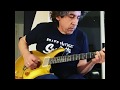
David Grissom

Blues
Blues Rock
Americana/Alt Country
 Viberate Rank: 165717
 Viberate Rank: 165717
 Monthly ListenersFollowers
 Subscribers
 Followers
 Followers
 FansTop Spotify Songs
| Track | 7-Day Streams | |
|---|---|---|
1 | 3.18K | |
2 | 2.79K | |
3 | 1.28K | |
4 | 1.28K | |
5 | 812 |
Top YouTube VideosMonthly ListenersFeatured in Playlists| Playlist | Followers | |
|---|---|---|
1 |  Keeping The Blues Alive Joe Bonamassa | 10.32K |
2 |  Laid Back Cafe 2021 HomeFreeRecords | 6.00K |
3 | Remakes - Covers of Famous songs remade by famous bands Jason Markovits | 5.18K |
4 |  This Is Edgar Winter Spotify | 3.11K |
5 | Bluesy Rock, Rocky Blues vince-115 | 2.71K |
Audience| City | Monthly Listeners | |
|---|---|---|
1 | | 243 |
2 |  | 223 |
3 | | 188 |
4 |  | 182 |
5 | | 177 |
See full performance history, audience data, playlist activity, rankings, comparisons, and more in Viberate music analytics. Start with a free trial, then continue with a paid plan.
David Grissom’s Spotify BioDavid Grissom has toured and recorded with artists such as John Mellencamp, Joe Ely, Storyville, The Allman Brothers Band, The Dixie Chicks, Chris Isaak, Robben Ford, The Fabulous Thunderbirds, Ringo Starr, Buddy Guy, and John Mayall, . His songs have been recorded by Trisha Yearwood, Lee Ann Womack, John Mayall, Shannon Curfman and Storyville among others..
David joined Texas legend Joe Ely’s band in 1985 and toured and recorded nonstop until 1991 when he joined John Mellencamp’s band. David made 3 records with John and toured extensively from 1991 through 1993. After Mellencamp, David went back to Texas to form Storyville, the band that included the Double Trouble rhythm section and powerhouse vocalist Malford Milligan. David is currently doing sessions and excited to release his fifth solo CD “Trio Live 2020” in May of 2020.
Viberate is a music analytics platform built for A&Rs, artist managers, labels, booking agents, marketers, and artists.
It helps music professionals track artist growth, analyze audience data, monitor playlist activity, compare artists, follow song performance, and identify opportunities across the music market.
Public artist pages provide a free preview of selected artist data. Paid plans provide access to deeper analytics, historical data, charts, comparisons, playlist tools, exports, alerts, reports, and additional professional features.
Yes. Public Viberate artist pages provide selected artist analytics and music data for free.
Viberate also offers a 7-day free trial of the full platform. A credit card is required to start the trial. The trial includes access to the complete product so users can test deeper artist analytics, historical views, playlist insights, comparisons, charts, exports, alerts, and reporting features before choosing a paid plan.
Viberate provides artist analytics across streaming, playlists, social media, video, radio airplay, songs, and audience markets.
Users can analyze Spotify performance, Spotify and Apple Music playlists, YouTube activity, TikTok and Instagram growth, radio spins, song performance, audience locations, demographics, rankings, and overall artist momentum.
Artist profiles also connect to music charts, similar artists, and comparison tools, helping users benchmark performance and evaluate artists in context.
Viberate updates key artist and track data daily.
For followed artists and tracks, selected data is refreshed multiple times per day. This helps teams monitor playlist changes, streaming movement, audience growth, releases, and campaign performance with more current data.
Update frequency can vary depending on the metric and data source.
Yes. Viberate lets users compare up to five artists side by side across streaming, social media, audience, and engagement metrics.
Users can compare fanbase growth, audience demographics, locations, Spotify performance, social metrics, and other artist data over selected time periods.
Artist comparison can be used for A&R scouting, benchmarking, booking decisions, campaign planning, and evaluating artists with similar audiences or market positions.