Howard Ashman

Classical
Orchestral
 Viberate Rank: 68744
 Viberate Rank: 68744
 Monthly ListenersFollowers
 Subscribers
 Followers
 Followers
 FansTop Spotify Songs
| Track | 7-Day Streams | |
|---|---|---|
1 | 62.78K | |
2 | 49.20K | |
3 | 25.16K | |
4 | 16.70K | |
5 | 11.69K |
Top YouTube VideosMonthly ListenersFeatured in Playlists| Playlist | Followers | |
|---|---|---|
1 |  Disney Lullaby Spotify | 421.95K |
2 |  The Little Mermaid Official Playlist Spotify | 183.07K |
3 |  Broadway Belts Spotify | 135.23K |
4 |  Disney Para Dormir Spotify | 123.86K |
5 | Músicas Disney - Brasil Ane Caroline | 83.91K |
Audience| City | Monthly Listeners | |
|---|---|---|
1 |  | 53.94K |
2 |  | 42.61K |
3 | | 39.60K |
4 | | 38.95K |
5 | | 38.43K |
See full performance history, audience data, playlist activity, rankings, comparisons, and more in Viberate music analytics. Start with a free trial, then continue with a paid plan.
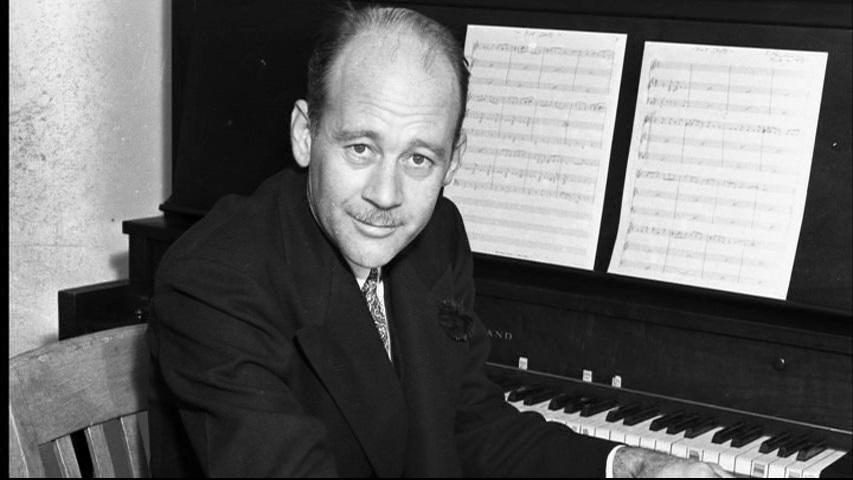
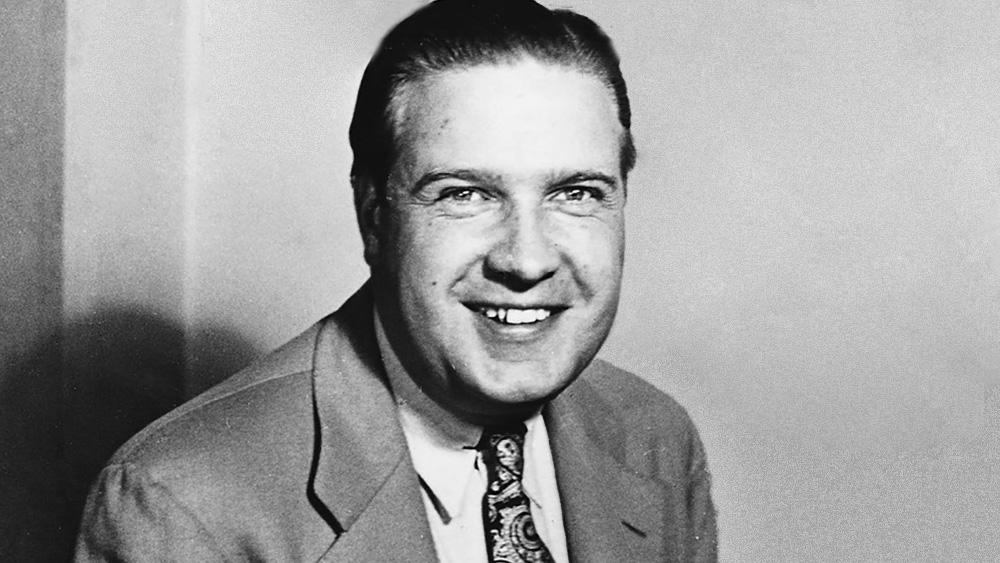
Howard Ashman’s Spotify BioHoward Ashman was pivotal in the renaissance of Disney animated musicals and in the development of The Little Mermaid (Producer and Lyrics), Beauty and the Beast (Executive Producer and Lyrics) and Aladdin (Lyrics), all with music by Alan Menken.
Ashman’s first love was theater and he was the driving force behind the development of the off-Broadway hit musical, Little Shop of Horrors, which he directed and for which he wrote the book and lyrics. It was the second show he wrote with composer Alan Menken.
In 1986, Ashman directed the musical, Smile, for which he also wrote the book and lyrics. Music was written by Marvin Hamlisch. Although Smile was not a critical success, it is generally acknowledged by aficionados as a lost gem of American Musical Theater.
Film critic Janet Maslin wrote of Howard Ashman,“His death from AIDS in March at age 40 cut short a brilliant career, but the jubilant energy of his work will long live on."
Ashman’s contributions to the revival of classic Disney… animated musicals have been acknowledged by many but were perhaps best expressed by his colleagues, who dedicated the animated film Beauty and the Beast to his memory: “To our friend Howard, who gave a mermaid her voice and a beast his soul. He will be forever missed.”
For more information, please visit HowardAshman.com.
Viberate is a music analytics platform built for A&Rs, artist managers, labels, booking agents, marketers, and artists.
It helps music professionals track artist growth, analyze audience data, monitor playlist activity, compare artists, follow song performance, and identify opportunities across the music market.
Public artist pages provide a free preview of selected artist data. Paid plans provide access to deeper analytics, historical data, charts, comparisons, playlist tools, exports, alerts, reports, and additional professional features.
Yes. Public Viberate artist pages provide selected artist analytics and music data for free.
Viberate also offers a 7-day free trial of the full platform. A credit card is required to start the trial. The trial includes access to the complete product so users can test deeper artist analytics, historical views, playlist insights, comparisons, charts, exports, alerts, and reporting features before choosing a paid plan.
Viberate provides artist analytics across streaming, playlists, social media, video, radio airplay, songs, and audience markets.
Users can analyze Spotify performance, Spotify and Apple Music playlists, YouTube activity, TikTok and Instagram growth, radio spins, song performance, audience locations, demographics, rankings, and overall artist momentum.
Artist profiles also connect to music charts, similar artists, and comparison tools, helping users benchmark performance and evaluate artists in context.
Viberate updates key artist and track data daily.
For followed artists and tracks, selected data is refreshed multiple times per day. This helps teams monitor playlist changes, streaming movement, audience growth, releases, and campaign performance with more current data.
Update frequency can vary depending on the metric and data source.
Yes. Viberate lets users compare up to five artists side by side across streaming, social media, audience, and engagement metrics.
Users can compare fanbase growth, audience demographics, locations, Spotify performance, social metrics, and other artist data over selected time periods.
Artist comparison can be used for A&R scouting, benchmarking, booking decisions, campaign planning, and evaluating artists with similar audiences or market positions.