Robert B. Sherman

Pop
Mainstream Pop
 Viberate Rank: 121315
 Viberate Rank: 121315
 Monthly ListenersFollowers
 Subscribers
 Followers
 Followers
 FansTop Spotify Songs
| Track | 7-Day Streams | |
|---|---|---|
1 | 45.36K | |
2 | 28.03K | |
3 | 25.13K | |
4 | 13.70K | |
5 | 10.54K |
Top YouTube VideosMonthly ListenersFeatured in Playlists| Playlist | Followers | |
|---|---|---|
1 |  Disney Favorites Spotify | 2.08M |
2 |  Disney Lullaby Spotify | 421.95K |
3 |  Disney Classics Spotify | 420.78K |
4 |  KINGDOM HEARTS Spotify | 216.71K |
5 |  The Piano Guys | Complete Collection The Piano Guys | 113.76K |
Audience| City | Monthly Listeners | |
|---|---|---|
1 | | 5.05K |
2 |  | 4.16K |
3 |  | 3.57K |
4 | | 3.53K |
5 | | 2.96K |
See full performance history, audience data, playlist activity, rankings, comparisons, and more in Viberate music analytics. Start with a free trial, then continue with a paid plan.
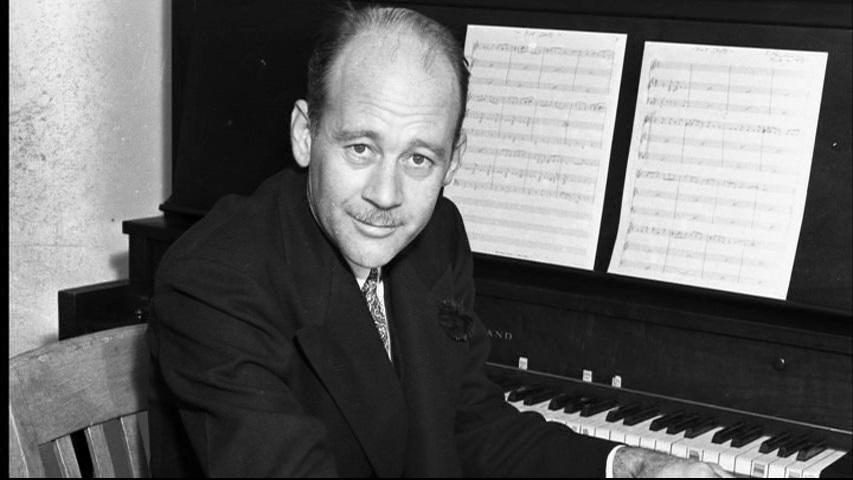
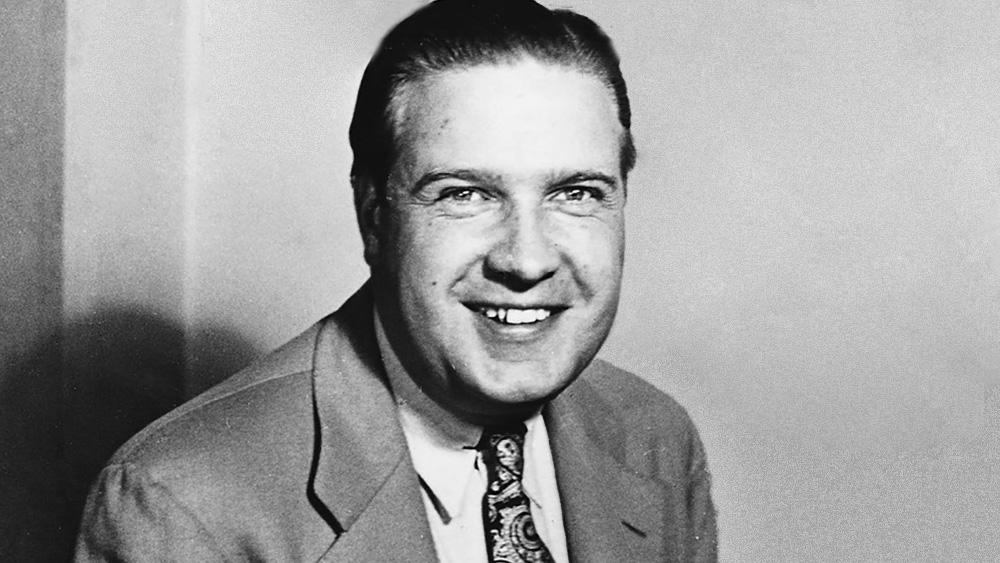
Robert B. Sherman’s Spotify BioOne of Walt Disney's most successful songwriting teams was that of brothers Richard M. and Robert B. Sherman who created the music heard in Mary Poppins, The Jungle Book, and many more Oscar-nominated scores for children's films. After attending Bard College, the duo started out writing country and rock tunes. At the outset of the 1960s, they began working for Disney, starting with 1961's Parent Trap. Just four years later, the brothers were awarded Oscars for Best Score and Best Song for the music of Mary Poppins and the song (not "Supercalifragilisticexpialidocious" but) "Chim Chim Cheree." 1967 brought another lasting accomplishment for Richard M. and Robert B. Sherman with the animated feature The Jungle Book. The Academy Award nomination went, this time, to the only song in the film that the brothers did not write, "Bare Necessities," but the rest of the music in this children's favorite was written by the duo, including the theme "My Own Home," "Trust in Me," and the monkey song… "I Wan'na Be Like You." One year after the success of The Jungle Book came another hit, Chitty Chitty Bang Bang, which won the Sherman brothers another Oscar for Best Song. The duo quit working for Disney in the early '70s, but before they left, scored Aristocats (1970) and 1971's Bedknobs & Broomsticks, which garnered them more Oscar nominations for Best Score and Best Song. After this, the Sherman brothers began freelancing work on screenplays and scores, including Snoopy, Come Home (1972), Tom Sawyer (Oscar-nominated score), Charlotte's Web (1973), Disney's The Many Adventures of Winnie the Pooh, The Slipper and the Rose: The Story of Cinderella (1977; Oscar-nominated score and song), and The Magic of Lassie (1979; Oscar-nominated song). Richard M. and Robert B. Sherman also wrote the famous song "It's a Small World." A book about the careers of the Sherman brothers has been published entitled Walt's Time: From Before to Beyond.
Viberate is a music analytics platform built for A&Rs, artist managers, labels, booking agents, marketers, and artists.
It helps music professionals track artist growth, analyze audience data, monitor playlist activity, compare artists, follow song performance, and identify opportunities across the music market.
Public artist pages provide a free preview of selected artist data. Paid plans provide access to deeper analytics, historical data, charts, comparisons, playlist tools, exports, alerts, reports, and additional professional features.
Yes. Public Viberate artist pages provide selected artist analytics and music data for free.
Viberate also offers a 7-day free trial of the full platform. A credit card is required to start the trial. The trial includes access to the complete product so users can test deeper artist analytics, historical views, playlist insights, comparisons, charts, exports, alerts, and reporting features before choosing a paid plan.
Viberate provides artist analytics across streaming, playlists, social media, video, radio airplay, songs, and audience markets.
Users can analyze Spotify performance, Spotify and Apple Music playlists, YouTube activity, TikTok and Instagram growth, radio spins, song performance, audience locations, demographics, rankings, and overall artist momentum.
Artist profiles also connect to music charts, similar artists, and comparison tools, helping users benchmark performance and evaluate artists in context.
Viberate updates key artist and track data daily.
For followed artists and tracks, selected data is refreshed multiple times per day. This helps teams monitor playlist changes, streaming movement, audience growth, releases, and campaign performance with more current data.
Update frequency can vary depending on the metric and data source.
Yes. Viberate lets users compare up to five artists side by side across streaming, social media, audience, and engagement metrics.
Users can compare fanbase growth, audience demographics, locations, Spotify performance, social metrics, and other artist data over selected time periods.
Artist comparison can be used for A&R scouting, benchmarking, booking decisions, campaign planning, and evaluating artists with similar audiences or market positions.