Alonso Mudarra

Classical
Orchestral
Other European Music
 Viberate Rank: 377851
 Viberate Rank: 377851
 Monthly ListenersFollowers
 Subscribers
 Followers
 Followers
 FansTop Spotify Songs
| Track | 7-Day Streams | |
|---|---|---|
1 | 2.37K | |
2 | 906 | |
3 | 544 | |
4 | 432 | |
5 | 399 |
Top YouTube VideosMonthly ListenersFeatured in Playlists| Playlist | Followers | |
|---|---|---|
1 |  medieval vibes Spotify | 500.32K |
2 |  Medieval Ambient Ville Pelkonen | 82.74K |
3 |  The Sound of Everything The Sounds of Spotify | 53.82K |
4 |  Klassische Musik Starfish Grammophon | 45.46K |
5 |  Renaissance, Baroque, Medieval, & Other Early Music Andrew T. Lane | 13.44K |
Audience| City | Monthly Listeners | |
|---|---|---|
1 | | 461 |
2 |  | 283 |
3 | | 213 |
4 |  | 198 |
5 |  | 196 |
See full performance history, audience data, playlist activity, rankings, comparisons, and more in Viberate music analytics. Start with a free trial, then continue with a paid plan.
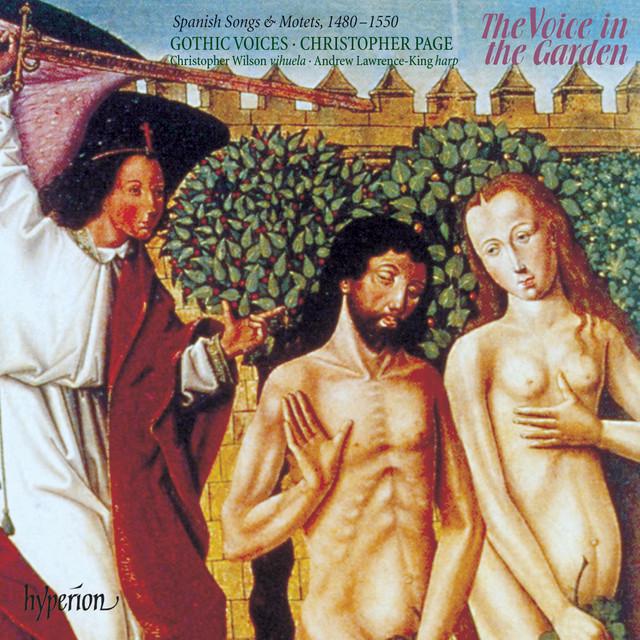
Alonso Mudarra’s Spotify BioAlonso de Mudarra was a 16th century Spanish composer and vihuelist known for his songs and his numerous innovations in the field of instrumental music. He lived in relative luxury throughout his life. His upbringing and education were in the ducal household in Guadalajara. Duke Iñigo López de Mendoza (1493-1566), a highly cultured man and fine lutenist, may have been a mentor to the young de Mudarra, influencing him toward study of the vihuela. De Mudarra was eventually considered one of the best vihuela players in Seville. With de Mendoza, he's believed to have traveled to Italy in 1529 in the retinue of Charles V. Soon after his return, he was ordained a priest, and then took a canonry at the Seville Cathedral on the October 18, 1546. Aside from creating his considerable output of music, for the rest of his life de Mudarra played an important role in the affairs of the cathedral. He did such things as deal with the composers commissioned to produce music for feast-days, hired… performers, and negotiated the purchase and installation of a new organ. Later he was in charge of all the cathedral's monetary disbursements. As a sign of the kind of man de Mudarra might have been, despite his social privilege his will stated that upon his death (which came in 1580) all of his possessions were to be sold and the money given to the poor. de Mudarra's major publication was Tres libros de musica en cifras para vihuela (Three Books of Music in Tablature for Vihuela, 1546). The range of genres and styles suggest that it's a comprehensive sample of what he'd composed up to that point in his life. It contains 77 works and introduces numerous innovations. There are intabulations of motets and mass sections by Flemish composers, the earliest known pieces for modern guitar, a piece for harp or organ notated in a 14-line tablature system of de Mudarra's invention, and suites of pieces grouped by mode. His preferred instrumental genre was the fantasia, of which Tres libros contains 27 true examples, while many of the other works draw on fantasia techniques. But above all it's for his exquisite songs for vihuela and voice that de Mudarra is remembered. Subtle and economical of means, they're rightly considered the finest Spanish songs of his century.
Viberate is a music analytics platform built for A&Rs, artist managers, labels, booking agents, marketers, and artists.
It helps music professionals track artist growth, analyze audience data, monitor playlist activity, compare artists, follow song performance, and identify opportunities across the music market.
Public artist pages provide a free preview of selected artist data. Paid plans provide access to deeper analytics, historical data, charts, comparisons, playlist tools, exports, alerts, reports, and additional professional features.
Yes. Public Viberate artist pages provide selected artist analytics and music data for free.
Viberate also offers a 7-day free trial of the full platform. A credit card is required to start the trial. The trial includes access to the complete product so users can test deeper artist analytics, historical views, playlist insights, comparisons, charts, exports, alerts, and reporting features before choosing a paid plan.
Viberate provides artist analytics across streaming, playlists, social media, video, radio airplay, songs, and audience markets.
Users can analyze Spotify performance, Spotify and Apple Music playlists, YouTube activity, TikTok and Instagram growth, radio spins, song performance, audience locations, demographics, rankings, and overall artist momentum.
Artist profiles also connect to music charts, similar artists, and comparison tools, helping users benchmark performance and evaluate artists in context.
Viberate updates key artist and track data daily.
For followed artists and tracks, selected data is refreshed multiple times per day. This helps teams monitor playlist changes, streaming movement, audience growth, releases, and campaign performance with more current data.
Update frequency can vary depending on the metric and data source.
Yes. Viberate lets users compare up to five artists side by side across streaming, social media, audience, and engagement metrics.
Users can compare fanbase growth, audience demographics, locations, Spotify performance, social metrics, and other artist data over selected time periods.
Artist comparison can be used for A&R scouting, benchmarking, booking decisions, campaign planning, and evaluating artists with similar audiences or market positions.