Hirax

Metal
Thrash Metal
Speed Metal
 Viberate Rank: 93643
 Viberate Rank: 93643
 Monthly ListenersFollowers
 Subscribers
 Followers
 Followers
 FansTop Spotify Songs
| Track | 7-Day Streams | |
|---|---|---|
1 | 2.13K | |
2 | 624 | |
3 | 527 | |
4 | 385 | |
5 | 363 |
Top YouTube Videos| Video | 7-Day Views | |
|---|---|---|
1 | 386 |
Monthly ListenersFeatured in Playlists| Playlist | Followers | |
|---|---|---|
1 |  Thrashers Spotify | 586.86K |
2 | Best of Trash Metal Lomprdik | 86.64K |
3 |  FENRIZ METAL Gylve | 32.35K |
4 |  Heavy Metal Instrumentals 🎸 JaviFlames | 13.79K |
5 | Robert | 9.86K |
Audience| City | Monthly Listeners | |
|---|---|---|
1 |  | 507 |
2 |  | 344 |
3 |  | 310 |
4 | | 287 |
5 |  | 282 |
See full performance history, audience data, playlist activity, rankings, comparisons, and more in Viberate music analytics. Start with a free trial, then continue with a paid plan.
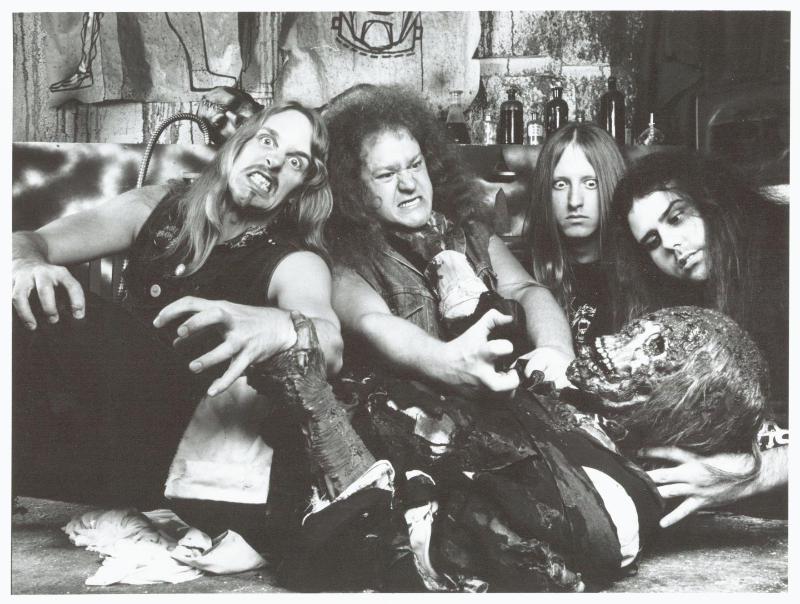
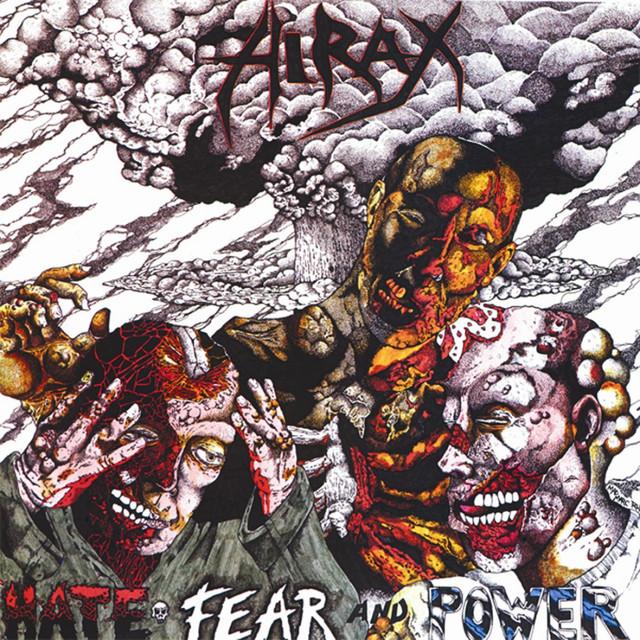
Hirax’s Spotify BioBuena Park, CA's Hirax formed in 1984 and achieved only moderate success during the original outbreak of thrash in the 1980s, yet their cult following has grown exponentially in the years since, to the point where they are now frequently cited among the genre's important -- and unique -- early contributors. Led by charismatic frontman Katon W. DePena, Hirax's lineup was completed by guitarist Scott Owen, bassist Gary Monardo, and drummer John Tabares when they were signed by Metal Blade and issued their debut album, Raging Violence, in 1985. Along with its manic blend of speed and thrash metal, the LP was distinguished by DePena's high-pitched, clean singing style and for featuring unusually short songs that revealed a definite hardcore influence -- thus partly qualifying it as an early example of speedcore or crossover -- both stylistic bridges between metal and punk. Those claims were further confirmed by the arrival of former D.R.I. drummer Eric Brecht before 1986's Hate, Fear and… Power mini-LP, but Hirax never got to capitalize on this trend since DePena quit the following year, going on to work with original Metallica bassist Ron McGovney in a short-lived new band called Phantasm. In the meantime, the remaining members of Hirax had attempted to carry on, rehearsing with former Exodus singer Paul Baloff before deciding to call it all off and go their separate ways.
In 1987, Metal Blade reissued both of Hirax's releases on one disc, misleadingly named Not Dead Yet, but except for a brief attempt at re-forming, the group really was dead and buried -- at least until the year 2000, when DePena decided it was time to unearth the Hirax name and give it another go, starting with the next year's tentative Barrage of Noise EP and following it up with 2004's comeback full-length, The New Age of Terror, introducing a new backing crew of guitarists Glenn Rogers (ex-Deliverance) and Dave Watson, bassist Angelo Espino (ex-Reverend), and drummer Jorge Iacobelles. The album was welcomed with open arms by what remained of the aging crossover and speed metal communities, and Hirax were given several opportunities to tour behind it -- but when the ever volatile DePena bailed at the last minute from a round of scheduled Japanese dates, the band's future was once again cast in doubt. ~ Eduardo Rivadavia, Rovi
Viberate is a music analytics platform built for A&Rs, artist managers, labels, booking agents, marketers, and artists.
It helps music professionals track artist growth, analyze audience data, monitor playlist activity, compare artists, follow song performance, and identify opportunities across the music market.
Public artist pages provide a free preview of selected artist data. Paid plans provide access to deeper analytics, historical data, charts, comparisons, playlist tools, exports, alerts, reports, and additional professional features.
Yes. Public Viberate artist pages provide selected artist analytics and music data for free.
Viberate also offers a 7-day free trial of the full platform. A credit card is required to start the trial. The trial includes access to the complete product so users can test deeper artist analytics, historical views, playlist insights, comparisons, charts, exports, alerts, and reporting features before choosing a paid plan.
Viberate provides artist analytics across streaming, playlists, social media, video, radio airplay, songs, and audience markets.
Users can analyze Spotify performance, Spotify and Apple Music playlists, YouTube activity, TikTok and Instagram growth, radio spins, song performance, audience locations, demographics, rankings, and overall artist momentum.
Artist profiles also connect to music charts, similar artists, and comparison tools, helping users benchmark performance and evaluate artists in context.
Viberate updates key artist and track data daily.
For followed artists and tracks, selected data is refreshed multiple times per day. This helps teams monitor playlist changes, streaming movement, audience growth, releases, and campaign performance with more current data.
Update frequency can vary depending on the metric and data source.
Yes. Viberate lets users compare up to five artists side by side across streaming, social media, audience, and engagement metrics.
Users can compare fanbase growth, audience demographics, locations, Spotify performance, social metrics, and other artist data over selected time periods.
Artist comparison can be used for A&R scouting, benchmarking, booking decisions, campaign planning, and evaluating artists with similar audiences or market positions.