Nasty Savage

Metal
Thrash Metal
 Viberate Rank: 155104
 Viberate Rank: 155104
 Monthly ListenersFollowers
 Subscribers
 Followers
 Followers
 FansTop Spotify Songs
| Track | 7-Day Streams | |
|---|---|---|
1 | 974 | |
2 | 720 | |
3 | 488 | |
4 | 478 | |
5 | 349 |
Top YouTube VideosMonthly ListenersFeatured in Playlists| Playlist | Followers | |
|---|---|---|
1 |  FENRIZ METAL Gylve | 32.35K |
2 | Robert | 9.86K |
3 |  Heavy Metal 1980-1990 Gonzalo Andres Quintana | 7.26K |
4 | 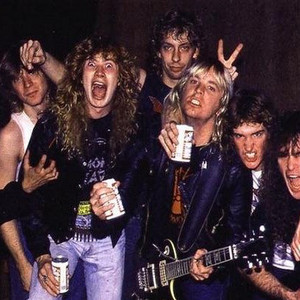 Thrash Metal Classics @MansenSankari | 7.13K |
5 |  Thrash Metal & Crossover classic 80s&90s David | 5.58K |
Audience| City | Monthly Listeners | |
|---|---|---|
1 |  | 240 |
2 |  | 141 |
3 |  | 140 |
4 |  | 93 |
5 | | 93 |
See full performance history, audience data, playlist activity, rankings, comparisons, and more in Viberate music analytics. Start with a free trial, then continue with a paid plan.
Nasty Savage’s Spotify BioTampa, FL's Nasty Savage was a member of the first generation of American thrash metal bands, deserving credit alongside the likes of Metallica, Anthrax, and Slayer for helping the genre gain its first footholds in the underground scene, but never really threatening to follow them into fame and fortune. The band was formed in 1983 by natural-born exhibitionist and pro-wrestling enthusiast "Nasty" Ronnie Galetti, who guided Nasty Savage through a pair of demos (1984's Wage of Mayhem and Raw Mayhem -- both hot commodities on the worldwide tape-trading circles, in their day) and three and a half melodic thrash albums (1985's Nasty Savage, 1987's Indulgence, 1988's Abstract Reality EP, and 1989's Penetration Point) before their demise at the close of the decade. Through it all, the core lineup of Galetti on vocals, Ben Meyer and David Austin on guitars, and Curtis Beeson on drums remained surprisingly stable, but the bassist position seemed to have some kind of curse on it. First album… bass player Fred Dregischan was forced to quit after sustaining a hand injury; his successor for album number two, Dezso Istvan Bartha, had to choose between the band and a large inheritance, and understandably picked the latter; and EP bassist Chris Moorhouse would later die in 1991 car accident! Richard Bateman, who performed on Nasty Savage's final album in 1989, presumably had the bad luck of, well, performing on Nasty Savage's final album. At least until ten years later, when all five members of that last formation reunited for a German festival appearance that led to the recording of a new Nasty Savage album in 2004, entitled Psycho Psycho. ~ Eduardo Rivadavia, Rovi
Viberate is a music analytics platform built for A&Rs, artist managers, labels, booking agents, marketers, and artists.
It helps music professionals track artist growth, analyze audience data, monitor playlist activity, compare artists, follow song performance, and identify opportunities across the music market.
Public artist pages provide a free preview of selected artist data. Paid plans provide access to deeper analytics, historical data, charts, comparisons, playlist tools, exports, alerts, reports, and additional professional features.
Yes. Public Viberate artist pages provide selected artist analytics and music data for free.
Viberate also offers a 7-day free trial of the full platform. A credit card is required to start the trial. The trial includes access to the complete product so users can test deeper artist analytics, historical views, playlist insights, comparisons, charts, exports, alerts, and reporting features before choosing a paid plan.
Viberate provides artist analytics across streaming, playlists, social media, video, radio airplay, songs, and audience markets.
Users can analyze Spotify performance, Spotify and Apple Music playlists, YouTube activity, TikTok and Instagram growth, radio spins, song performance, audience locations, demographics, rankings, and overall artist momentum.
Artist profiles also connect to music charts, similar artists, and comparison tools, helping users benchmark performance and evaluate artists in context.
Viberate updates key artist and track data daily.
For followed artists and tracks, selected data is refreshed multiple times per day. This helps teams monitor playlist changes, streaming movement, audience growth, releases, and campaign performance with more current data.
Update frequency can vary depending on the metric and data source.
Yes. Viberate lets users compare up to five artists side by side across streaming, social media, audience, and engagement metrics.
Users can compare fanbase growth, audience demographics, locations, Spotify performance, social metrics, and other artist data over selected time periods.
Artist comparison can be used for A&R scouting, benchmarking, booking decisions, campaign planning, and evaluating artists with similar audiences or market positions.