Hey Marseilles

Pop
Indie Pop
Americana/Alt Country
Chamber Music
 Viberate Rank: 190237
 Viberate Rank: 190237
 Monthly ListenersFollowers
 Subscribers
 Followers
 Followers
 FansTop Spotify Songs
| Track | 7-Day Streams | |
|---|---|---|
1 | 662 | |
2 | 518 | |
3 | 435 | |
4 | 335 | |
5 | 270 |
Top YouTube VideosMonthly ListenersFeatured in Playlists| Playlist | Followers | |
|---|---|---|
1 | The OC & More Sara P. DeLaMarre | 24.66K |
2 |  Lose Yourself in the Music Bose | 20.30K |
3 | dorian.liao | 16.79K |
4 | Of Monsters & Men Katie MacKay | 12.30K |
5 | We Are Hunted Emerging Chart We Are Hunted | 9.70K |
Audience| City | Monthly Listeners | |
|---|---|---|
1 | | 281 |
2 | | 188 |
3 | | 173 |
4 | | 145 |
5 | | 128 |
See full performance history, audience data, playlist activity, rankings, comparisons, and more in Viberate music analytics. Start with a free trial, then continue with a paid plan.
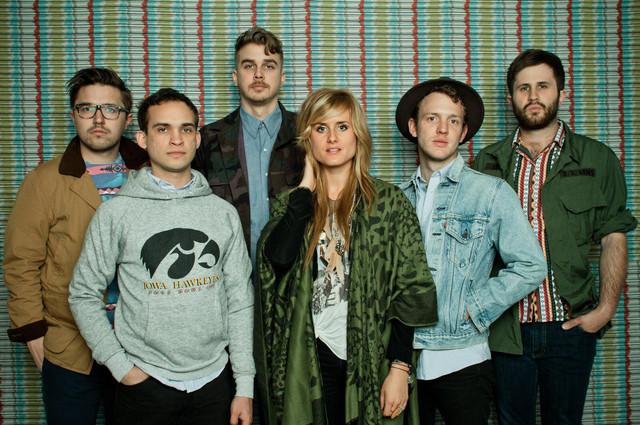
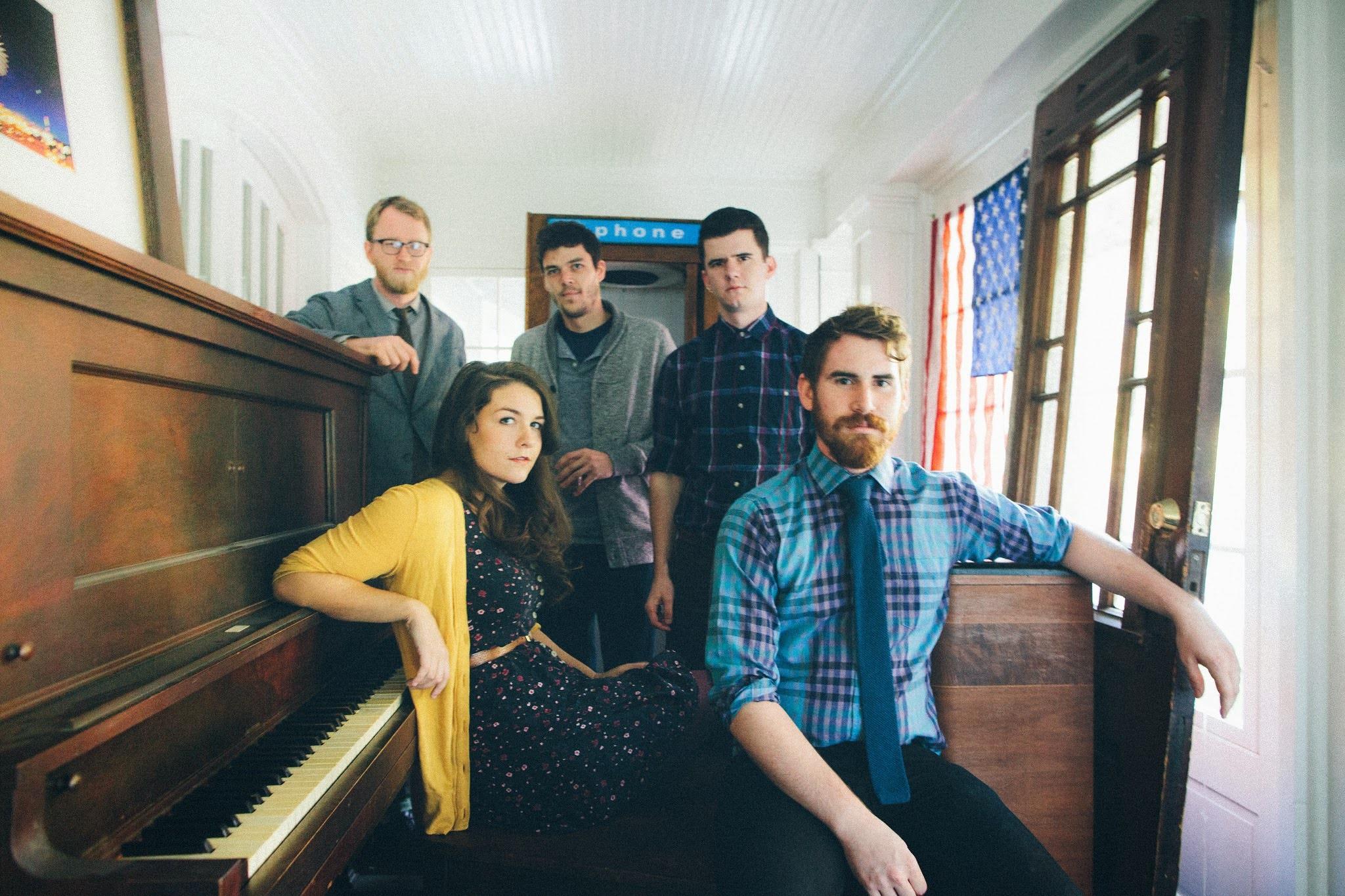
Hey Marseilles’ Spotify BioFormed in 2006 by vocalist Nick Ward and guitarist Matt Bishop, Hey Marseilles quickly expanded into an eclectic six-piece band. The group took root in Seattle, where Ward and Bishop were attending the University of Washington. Ward's roommate, pianist/accordionist Philip Kobernik, was the first to join the core duo, and Hey Marseilles' lineup soon swelled with the addition of cellist Samuel Anderson, violist Jacob Anderson, and drummer Colin Richey. Released in December 2008, To Travels & Trunks unveiled the band's orchestral sound, one that seemingly took its cues from the Decemberists and other chamber pop groups. The band appeared at a variety of festivals the following year -- including CMJ, South by Southwest, and Bumbershoot -- and subsequently attracted the attention of the Starbucks coffee chain, which included one of the band's songs on the compilation Sweethearts, Vol. 2, in early 2010. Three years later, Lines We Trace appeared on the Thirty Tigers label, and the group made… appearances at Lollapalooza, the Newport Folk Festival, and the Firefly Music Festival, among others. Down to a quintet with the departure of Richey, Hey Marseilles returned to the studio with Grammy-winning engineer/mixer/producer Anthony Kilhoffer (Kanye West, John Legend) to fashion a sleeker third LP. The self-titled album was slated for release in early 2016 on Shanachie. ~ Andrew Leahey, Rovi
Viberate is a music analytics platform built for A&Rs, artist managers, labels, booking agents, marketers, and artists.
It helps music professionals track artist growth, analyze audience data, monitor playlist activity, compare artists, follow song performance, and identify opportunities across the music market.
Public artist pages provide a free preview of selected artist data. Paid plans provide access to deeper analytics, historical data, charts, comparisons, playlist tools, exports, alerts, reports, and additional professional features.
Yes. Public Viberate artist pages provide selected artist analytics and music data for free.
Viberate also offers a 7-day free trial of the full platform. A credit card is required to start the trial. The trial includes access to the complete product so users can test deeper artist analytics, historical views, playlist insights, comparisons, charts, exports, alerts, and reporting features before choosing a paid plan.
Viberate provides artist analytics across streaming, playlists, social media, video, radio airplay, songs, and audience markets.
Users can analyze Spotify performance, Spotify and Apple Music playlists, YouTube activity, TikTok and Instagram growth, radio spins, song performance, audience locations, demographics, rankings, and overall artist momentum.
Artist profiles also connect to music charts, similar artists, and comparison tools, helping users benchmark performance and evaluate artists in context.
Viberate updates key artist and track data daily.
For followed artists and tracks, selected data is refreshed multiple times per day. This helps teams monitor playlist changes, streaming movement, audience growth, releases, and campaign performance with more current data.
Update frequency can vary depending on the metric and data source.
Yes. Viberate lets users compare up to five artists side by side across streaming, social media, audience, and engagement metrics.
Users can compare fanbase growth, audience demographics, locations, Spotify performance, social metrics, and other artist data over selected time periods.
Artist comparison can be used for A&R scouting, benchmarking, booking decisions, campaign planning, and evaluating artists with similar audiences or market positions.