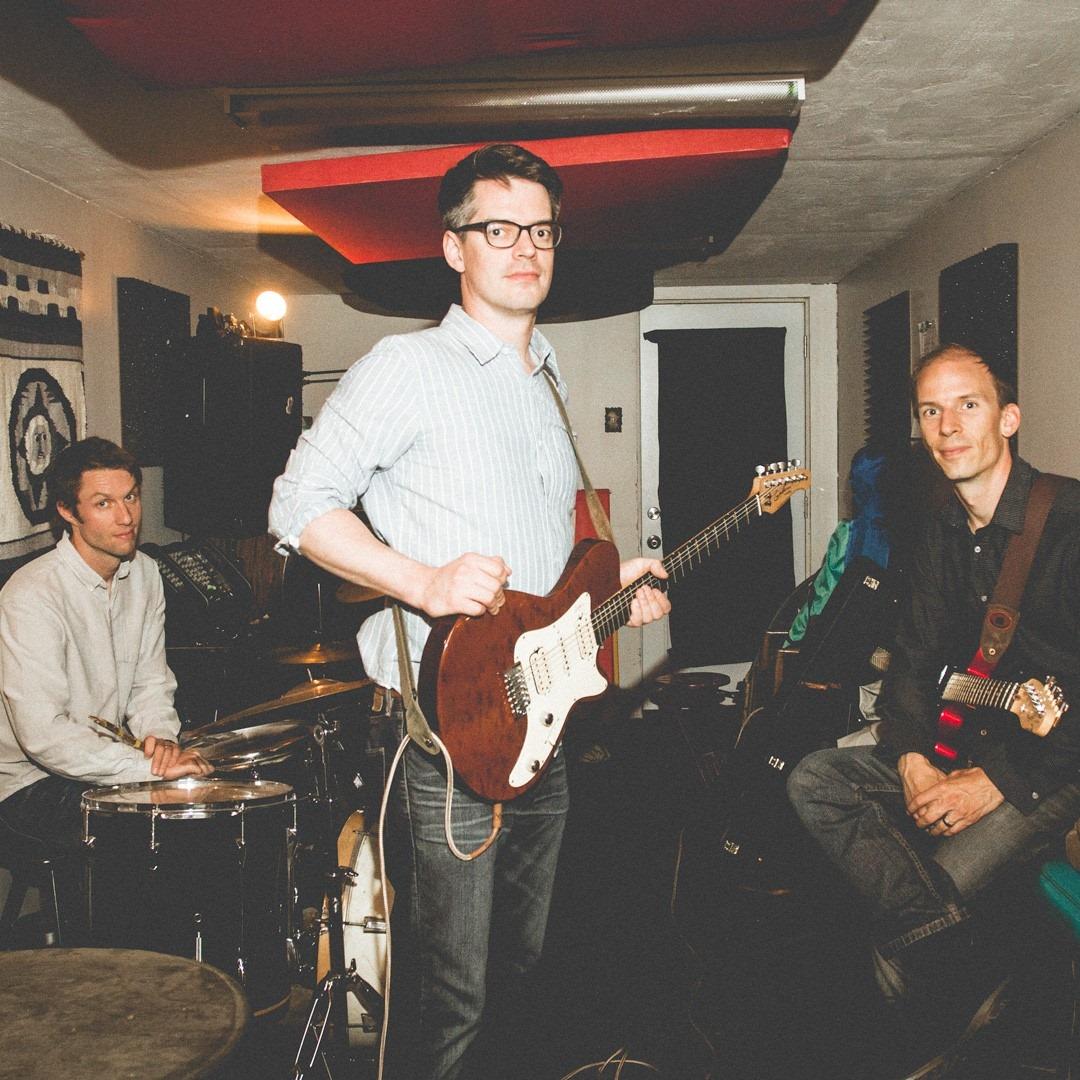
Parlour Steps

Rock
Indie Rock
 Viberate Rank: 656234
 Viberate Rank: 656234
 Monthly ListenersFollowers
 Subscribers
 Followers
 Followers
 FansTop Spotify Songs
| Track | 7-Day Streams | |
|---|---|---|
1 | 125 | |
2 | 52 | |
3 | 52 | |
4 | 41 | |
5 | 41 |
Top YouTube VideosMonthly ListenersFeatured in Playlists| Playlist | Followers | |
|---|---|---|
1 | Iron and Wine-ish 1230781156 | 10.41K |
2 | discovery weekly Jillian Carboni | 3.57K |
3 | Indie Study Music Max Murphy | 2.05K |
4 |  Degrassi: Next Class - Music From Season 1 Degrassi | 1.41K |
5 |  Música para Cafés Matutinos cafenocturn | 1.32K |
Audience| City | Monthly Listeners | |
|---|---|---|
1 |  | 12 |
2 | | 9 |
3 | | 9 |
4 | | 9 |
5 | | 9 |
See full performance history, audience data, playlist activity, rankings, comparisons, and more in Viberate music analytics. Start with a free trial, then continue with a paid plan.
Parlour Steps’ Spotify BioParlour Steps frontman Caleb Stull dubs his band's music "thought rock," a rather cringe-inducing term that suggests considerably more ponderousness and pretension than the Vancouver, British Columbia, quartet shows in its music. Like fellow Canadian indie rockers ranging from Destroyer to the Arcade Fire, Parlour Steps are unafraid of an epic, expansive sound, but the folk, country, and jazz influences in their music make them sound a bit like a north-of-the-border version of the Decemberists. Parlour Steps formed in 2000, when Victoria, British Columbia, native Stull moved to the nearby larger city of Vancouver and formed an early five-piece lineup featuring a full-time violinist. After two self-released and little-promoted albums, 2000's The Myth of Summer and 2003's Hours of Tremor, Stull finally forged a stable lineup of the Parlour Steps with guitarist Rees Haynes, bassist and harmony vocalist Julie Bavalis, and drummer Rob Linton, who had first played together in a jazz band… while attending music school. The completed Parlour Steps debuted with the 2005 single "Libertine Takes a Lover," which later became a key track on the band's breakthrough album, The Great Perhaps. Signing to the Massachusetts-based indie label Nine Mile Records and touring extensively across Canada and the United States for the first time, the Parlour Steps released their fourth album, Ambiguoso, in early 2008. Following the album's release, keyboardist Allyson Mara joined the band, relieving Stull of his on-stage multi-instrumentalist duties. ~ Stewart Mason, Rovi
Viberate is a music analytics platform built for A&Rs, artist managers, labels, booking agents, marketers, and artists.
It helps music professionals track artist growth, analyze audience data, monitor playlist activity, compare artists, follow song performance, and identify opportunities across the music market.
Public artist pages provide a free preview of selected artist data. Paid plans provide access to deeper analytics, historical data, charts, comparisons, playlist tools, exports, alerts, reports, and additional professional features.
Yes. Public Viberate artist pages provide selected artist analytics and music data for free.
Viberate also offers a 7-day free trial of the full platform. A credit card is required to start the trial. The trial includes access to the complete product so users can test deeper artist analytics, historical views, playlist insights, comparisons, charts, exports, alerts, and reporting features before choosing a paid plan.
Viberate provides artist analytics across streaming, playlists, social media, video, radio airplay, songs, and audience markets.
Users can analyze Spotify performance, Spotify and Apple Music playlists, YouTube activity, TikTok and Instagram growth, radio spins, song performance, audience locations, demographics, rankings, and overall artist momentum.
Artist profiles also connect to music charts, similar artists, and comparison tools, helping users benchmark performance and evaluate artists in context.
Viberate updates key artist and track data daily.
For followed artists and tracks, selected data is refreshed multiple times per day. This helps teams monitor playlist changes, streaming movement, audience growth, releases, and campaign performance with more current data.
Update frequency can vary depending on the metric and data source.
Yes. Viberate lets users compare up to five artists side by side across streaming, social media, audience, and engagement metrics.
Users can compare fanbase growth, audience demographics, locations, Spotify performance, social metrics, and other artist data over selected time periods.
Artist comparison can be used for A&R scouting, benchmarking, booking decisions, campaign planning, and evaluating artists with similar audiences or market positions.