Kopecky

Pop
Indie Pop
Indie Rock
 Viberate Rank: 207071
 Viberate Rank: 207071
 Monthly ListenersFollowers
 Subscribers
 Followers
 Followers
 FansTop Spotify Songs
| Track | 7-Day Streams | |
|---|---|---|
1 | 1.35K | |
2 | 1.27K | |
3 | 678 | |
4 | 337 | |
5 | 205 |
Top YouTube VideosMonthly ListenersFeatured in Playlists| Playlist | Followers | |
|---|---|---|
1 |  Hipster Morning Darren O'Rourk | 33.62K |
2 | Skiing All Day Gus Horner | 29.71K |
3 | Parenthood- Complete Soundtrack lisa_anthem | 18.24K |
4 |  Best Camping Mix EVER Garth Hutchison | 14.63K |
5 | Of Monsters & Men Katie MacKay | 12.30K |
Audience| City | Monthly Listeners | |
|---|---|---|
1 | | 178 |
2 | | 165 |
3 | | 138 |
4 | | 128 |
5 | | 124 |
See full performance history, audience data, playlist activity, rankings, comparisons, and more in Viberate music analytics. Start with a free trial, then continue with a paid plan.
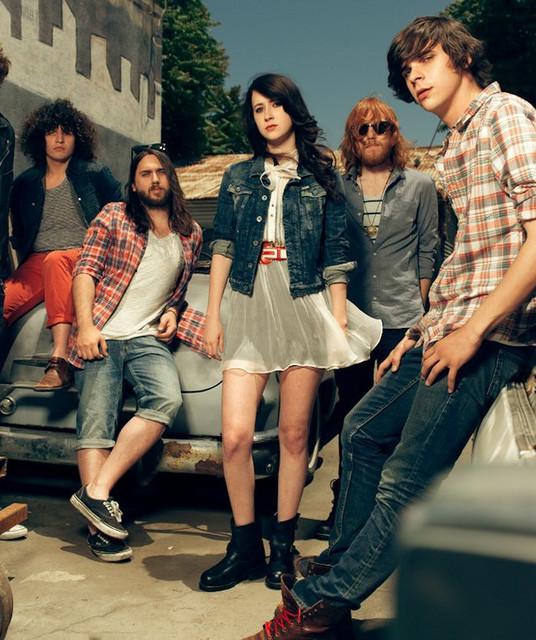
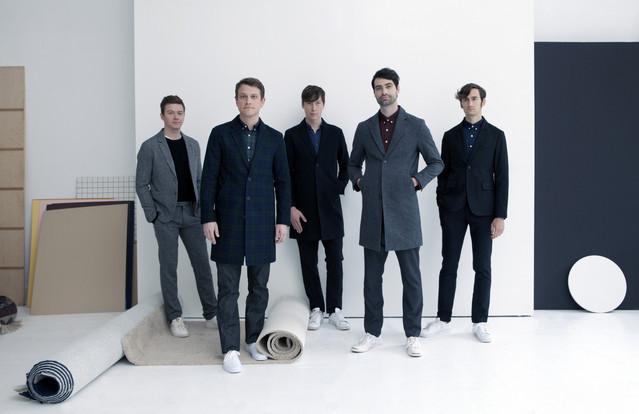
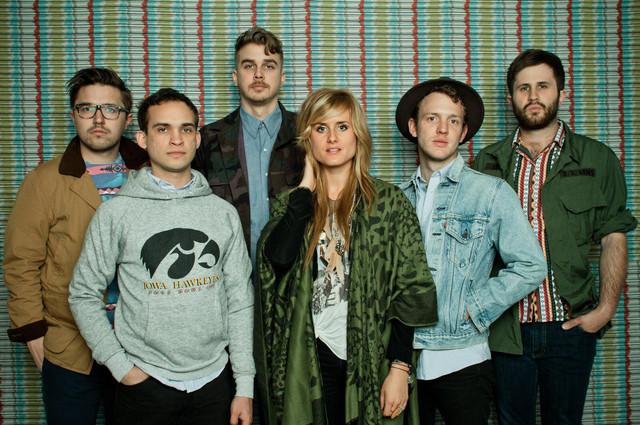
Kopecky’s Spotify BioPlaying clever and tuneful indie pop with a folkie touch, Kopecky started out as the Kopecky Family Band, and while the group members were friends rather than siblings, their precise but homey harmonies and loose but tight arrangements gave their music a spirited, familiar feel. Kopecky was formed in 2007 by Kelsey Kopecky (keyboards, bass, and vocals) and Gabe Simon (guitars, horns, and vocals) when they were both students at Belmont University in Nashville, Tennessee. The two discovered they had similar tastes in music and began jamming together; in time, a handful of other young, like-minded Nashville players joined them, including Steven Holmes on guitar and lap steel, Markus Midkiff on cello, guitar, and keys, Corey Oxendine on bass, guitar, and horns, and David Krohn on drums. Adopting the name the Kopecky Family Band, the combo began playing local gigs and released an EP, Embraces, in November 2008. A second EP, The Disaster, followed in August 2010, and a third, Of Epic… Proportions, followed just three months later. By this time, the group had made a name for themselves on Nashville's indie scene, and began touring extensively to spread the word about the band. ATO Records, the artist-friendly indie label founded by Dave Matthews, signed the Kopecky Family Band to a recording contract, and in April 2013, they released their debut, Kids Raising Kids. The album received enthusiastic reviews, and the song "Heartbeat" became a radio hit. As the band's star rose, they announced that they were streamlining their name in late 2014, and that the Kopecky Family Band would now be doing business simply as Kopecky. By this time, they were hard at work on their second album, and Drug for the Modern Age was released in June of 2015. ~ Mark Deming, Rovi
Viberate is a music analytics platform built for A&Rs, artist managers, labels, booking agents, marketers, and artists.
It helps music professionals track artist growth, analyze audience data, monitor playlist activity, compare artists, follow song performance, and identify opportunities across the music market.
Public artist pages provide a free preview of selected artist data. Paid plans provide access to deeper analytics, historical data, charts, comparisons, playlist tools, exports, alerts, reports, and additional professional features.
Yes. Public Viberate artist pages provide selected artist analytics and music data for free.
Viberate also offers a 7-day free trial of the full platform. A credit card is required to start the trial. The trial includes access to the complete product so users can test deeper artist analytics, historical views, playlist insights, comparisons, charts, exports, alerts, and reporting features before choosing a paid plan.
Viberate provides artist analytics across streaming, playlists, social media, video, radio airplay, songs, and audience markets.
Users can analyze Spotify performance, Spotify and Apple Music playlists, YouTube activity, TikTok and Instagram growth, radio spins, song performance, audience locations, demographics, rankings, and overall artist momentum.
Artist profiles also connect to music charts, similar artists, and comparison tools, helping users benchmark performance and evaluate artists in context.
Viberate updates key artist and track data daily.
For followed artists and tracks, selected data is refreshed multiple times per day. This helps teams monitor playlist changes, streaming movement, audience growth, releases, and campaign performance with more current data.
Update frequency can vary depending on the metric and data source.
Yes. Viberate lets users compare up to five artists side by side across streaming, social media, audience, and engagement metrics.
Users can compare fanbase growth, audience demographics, locations, Spotify performance, social metrics, and other artist data over selected time periods.
Artist comparison can be used for A&R scouting, benchmarking, booking decisions, campaign planning, and evaluating artists with similar audiences or market positions.