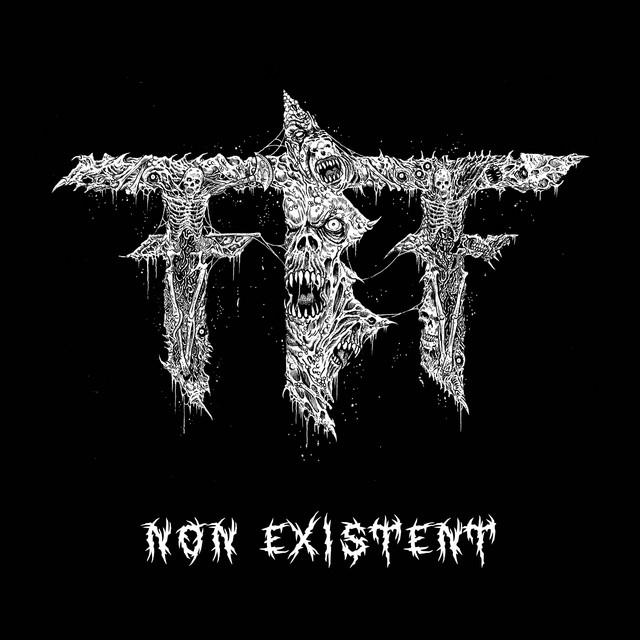
Fueled By Fire

Metal
Thrash Metal
 Viberate Rank: 138915
 Viberate Rank: 138915
 Monthly ListenersFollowers
 Subscribers
 Followers
 Followers
 FansTop Spotify Songs
| Track | 7-Day Streams | |
|---|---|---|
1 | 940 | |
2 | 422 | |
3 | 413 | |
4 | 345 | |
5 | 241 |
Top YouTube VideosMonthly ListenersFeatured in Playlists| Playlist | Followers | |
|---|---|---|
1 |  Thrashers Spotify | 586.86K |
2 | Best of Trash Metal Lomprdik | 86.64K |
3 |  Heavy Metal Instrumentals 🎸 JaviFlames | 13.79K |
4 |  TRASH METAL⚡️BEST OF THRASH METAL 🔱 THEOCIDE STUDIOS 🔱 | 13.72K |
5 |  This is Thrash Metal swtgagrl2184 | 7.43K |
Audience| City | Monthly Listeners | |
|---|---|---|
1 |  | 313 |
2 |  | 229 |
3 |  | 187 |
4 |  | 114 |
5 | | 104 |
See full performance history, audience data, playlist activity, rankings, comparisons, and more in Viberate music analytics. Start with a free trial, then continue with a paid plan.
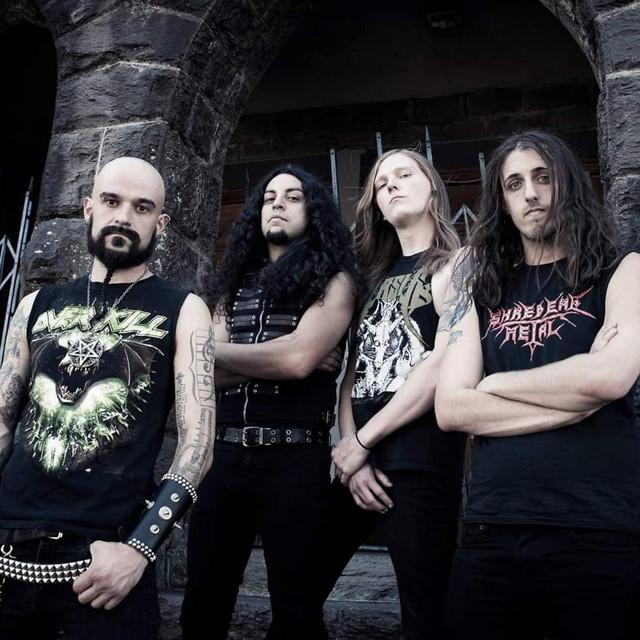
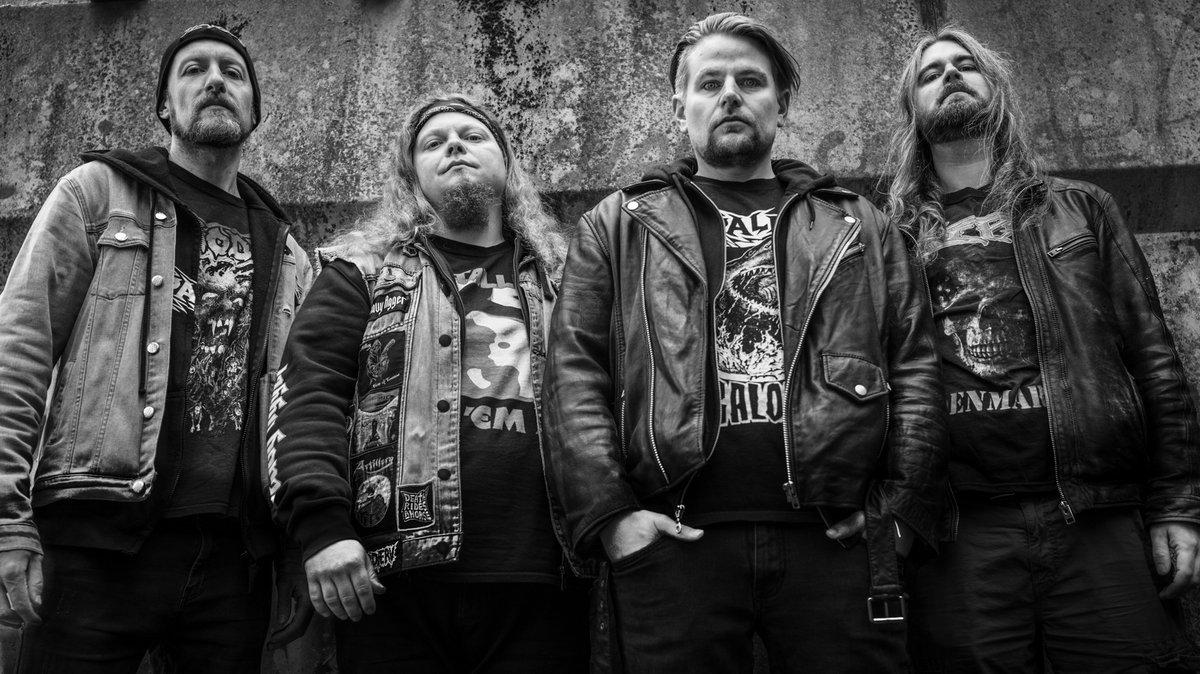
Fueled By Fire’s Spotify BioAfter nearly a dozen personnel rotations, thrash metal outfit Fueled by Fire fine-tuned their sound into an explosive act in the vein of '80s speed demons Slayer, Overkill, and Testament. The group started humbly enough in 2002, when drummer Carlos Gutierrez and guitarist Sal Zepeda decided to start jamming together. After some asking around, they ultimately found bassist Adrian Gallego and vocalist Rick Rangel, and formed a full band. After some time went by, Gallego quit the group, Rangel moved to bass, and they recruited new singer Ray Fiero. Expanding on their lineup, they decided to add a second guitarist and Rangel swapped instruments again to guitar, leaving new member Anthony Vasquez with the bass duties. This was the solidified band for a year, until Jovanny "Gio" Herrara took over on vocals. Two weeks later, they started recording their first four-track demo, Life...Death...And Fueled by Fire, which was used to lock a gig at the Whisky a Go Go, and the band built up a… following playing shows around L.A.
After the departure of third guitarist Zepeda in November 2006, Metal Blade Records founder Brian Slagel sent label execs down to a Fueled by Fire show and signed the band in March 2007. The remaining four members immediately went into the recording studio and started making their debut full-length, Spread the Fire, a nine-track LP prepared for release in early August 2007. The band inked a deal with Napalm Records for the release of their sophomore long-player, 2010's Plunging Into Darkness, which was followed in 2013 by Trapped in Perdition, also on Napalm. ~ Jason Lymangrover, Rovi
Viberate is a music analytics platform built for A&Rs, artist managers, labels, booking agents, marketers, and artists.
It helps music professionals track artist growth, analyze audience data, monitor playlist activity, compare artists, follow song performance, and identify opportunities across the music market.
Public artist pages provide a free preview of selected artist data. Paid plans provide access to deeper analytics, historical data, charts, comparisons, playlist tools, exports, alerts, reports, and additional professional features.
Yes. Public Viberate artist pages provide selected artist analytics and music data for free.
Viberate also offers a 7-day free trial of the full platform. A credit card is required to start the trial. The trial includes access to the complete product so users can test deeper artist analytics, historical views, playlist insights, comparisons, charts, exports, alerts, and reporting features before choosing a paid plan.
Viberate provides artist analytics across streaming, playlists, social media, video, radio airplay, songs, and audience markets.
Users can analyze Spotify performance, Spotify and Apple Music playlists, YouTube activity, TikTok and Instagram growth, radio spins, song performance, audience locations, demographics, rankings, and overall artist momentum.
Artist profiles also connect to music charts, similar artists, and comparison tools, helping users benchmark performance and evaluate artists in context.
Viberate updates key artist and track data daily.
For followed artists and tracks, selected data is refreshed multiple times per day. This helps teams monitor playlist changes, streaming movement, audience growth, releases, and campaign performance with more current data.
Update frequency can vary depending on the metric and data source.
Yes. Viberate lets users compare up to five artists side by side across streaming, social media, audience, and engagement metrics.
Users can compare fanbase growth, audience demographics, locations, Spotify performance, social metrics, and other artist data over selected time periods.
Artist comparison can be used for A&R scouting, benchmarking, booking decisions, campaign planning, and evaluating artists with similar audiences or market positions.