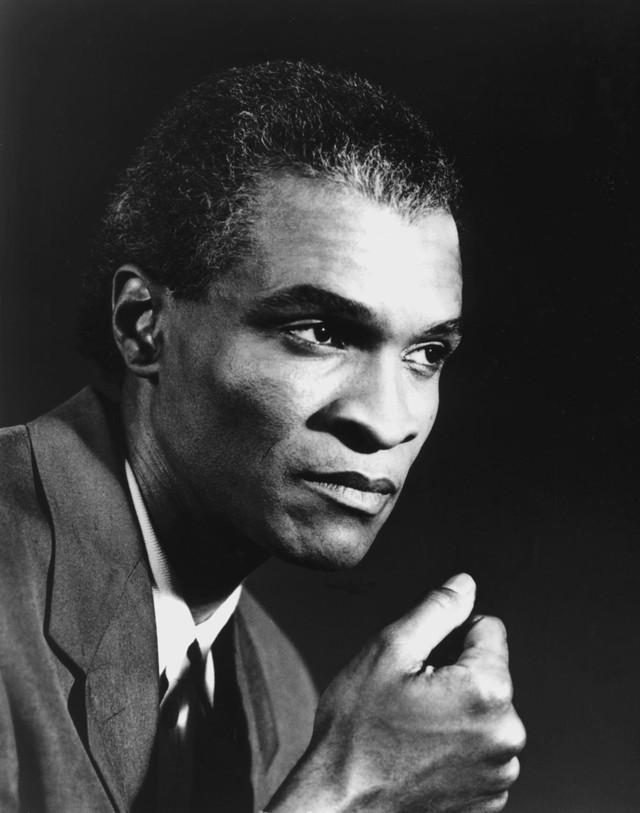
Bobby Watson

Jazz
Free Jazz
Smooth Jazz
 Viberate Rank: 200389
 Viberate Rank: 200389
 Monthly ListenersFollowers
 Subscribers
 Followers
 Followers
 FansTop Spotify Songs
| Track | 7-Day Streams | |
|---|---|---|
1 | 4.46K | |
2 | 4.46K | |
3 | 4.46K | |
4 | 3.31K | |
5 | 2.13K |
Top YouTube VideosMonthly ListenersFeatured in Playlists| Playlist | Followers | |
|---|---|---|
1 |  Late Night Jazz Spotify | 2.18M |
2 |  Sweet Jazz Spotify | 301.63K |
3 |  real good shit Tom Misch | 165.62K |
4 |  Wicked Part 2 (Wicked: For Good) Ahsoka Tano | 26.35K |
5 |  A Bronx Tale Soundtrack devin0835 | 24.62K |
Audience| City | Monthly Listeners | |
|---|---|---|
1 | | 404 |
2 |  | 401 |
3 |  | 393 |
4 | | 363 |
5 | | 342 |
See full performance history, audience data, playlist activity, rankings, comparisons, and more in Viberate music analytics. Start with a free trial, then continue with a paid plan.
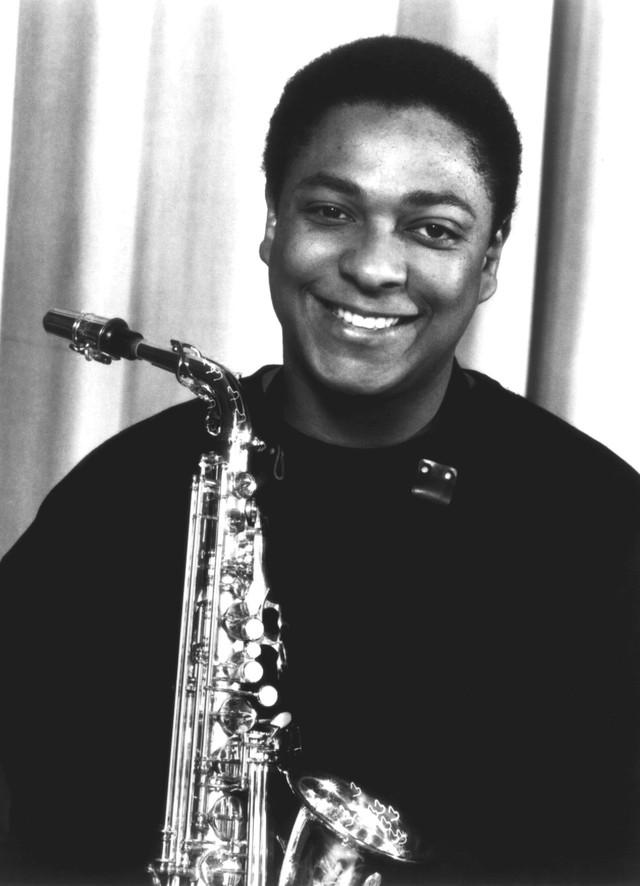
Bobby Watson’s Spotify BioSaxophonist, composer, producer, and educator Bobby Watson is an adroit jazz performer with an aggressive, fluid style influenced by his early years with drummer Art Blakey's Jazz Messengers. A native of Kansas City, Kansas, Watson's playing is steeped in the roadhouse blues tradition of his native city. He got his formal education at the University of Miami, where his fellow students included Pat Metheny, Jaco Pastorius, and Bruce Hornsby. After graduating in 1975, he moved to New York City, where he made his solo debut with 1977's E.T.A., followed two years later by All Because of You.
It was also at this time that he found employment as musical director for Art Blakey's Jazz Messengers. Watson stuck with Blakey's group from 1977 to 1981, appearing on a bevy of the drummer's albums during this period. However, he continued to record as a leader throughout the '80s, delivering such albums as 1984's Advance and 1986's Love Remains.
In the late '80s, inspired by Blakey and pianist Horace… Silver's hard-bop outfits of the '60s, Watson launched his own group, Bobby Watson & Horizon with bassist Curtis Lundy and drummer Victor Lewis. The group enjoyed a modicum of mainstream attention, signing with Blue Note and debuting with 1988's No Question About It, which also featured trumpeter Roy Hargrove. More well-received albums followed, including 1989's The Inventor, 1991's Post-Motown Bop, and 1992's Present Tense with trumpeter Terell Stafford. Aside from his solo work, Watson pursued session and tour work with vigor, working with drummers Louis Hayes and Max Roach, saxophonists George Coleman and Branford Marsalis, multi-instrumentalist Sam Rivers, guitarist Carlos Santana, trumpeter Wynton Marsalis, and others. He also worked with a who's who in the jazz vocal world, including Joe Williams, Dianne Reeves, Lou Rawls, Betty Carter, and Carmen Lundy.
A passionate educator, he also served as a member of the adjunct faculty at William Paterson University in the mid-'80s and at the Manhattan School of Music from 1996-1999. During this period he also stayed busy, releasing the big-band effort Tailor Made and exploring funk and R&B on 1995's Urban Renewal. In 2000, he was selected as the first William D. and Mary Grant/Missouri Distinguished Professor of Jazz Studies, and spent over a decade working at the University of Missouri/Kansas City, balancing live concerts around the world with his teaching responsibilities.
However, performing remains his focus, as evidenced by such albums as 2002's Live & Learn, 2004's Horizon Reassembled, and 2008's From the Heart. A year later, he joined percussionist Ray Mantilla for the Latin-infused Everlasting. He then marked the 50th anniversary of Dr. Martin Luther King, Jr.'s "I Have a Dream Speech" with 2013's Check Cashing Day. In 2017 he delivered Made in America, recorded live at the Smoke jazz and supper club in New York City. ~ Richard Skelly, Rovi
Viberate is a music analytics platform built for A&Rs, artist managers, labels, booking agents, marketers, and artists.
It helps music professionals track artist growth, analyze audience data, monitor playlist activity, compare artists, follow song performance, and identify opportunities across the music market.
Public artist pages provide a free preview of selected artist data. Paid plans provide access to deeper analytics, historical data, charts, comparisons, playlist tools, exports, alerts, reports, and additional professional features.
Yes. Public Viberate artist pages provide selected artist analytics and music data for free.
Viberate also offers a 7-day free trial of the full platform. A credit card is required to start the trial. The trial includes access to the complete product so users can test deeper artist analytics, historical views, playlist insights, comparisons, charts, exports, alerts, and reporting features before choosing a paid plan.
Viberate provides artist analytics across streaming, playlists, social media, video, radio airplay, songs, and audience markets.
Users can analyze Spotify performance, Spotify and Apple Music playlists, YouTube activity, TikTok and Instagram growth, radio spins, song performance, audience locations, demographics, rankings, and overall artist momentum.
Artist profiles also connect to music charts, similar artists, and comparison tools, helping users benchmark performance and evaluate artists in context.
Viberate updates key artist and track data daily.
For followed artists and tracks, selected data is refreshed multiple times per day. This helps teams monitor playlist changes, streaming movement, audience growth, releases, and campaign performance with more current data.
Update frequency can vary depending on the metric and data source.
Yes. Viberate lets users compare up to five artists side by side across streaming, social media, audience, and engagement metrics.
Users can compare fanbase growth, audience demographics, locations, Spotify performance, social metrics, and other artist data over selected time periods.
Artist comparison can be used for A&R scouting, benchmarking, booking decisions, campaign planning, and evaluating artists with similar audiences or market positions.