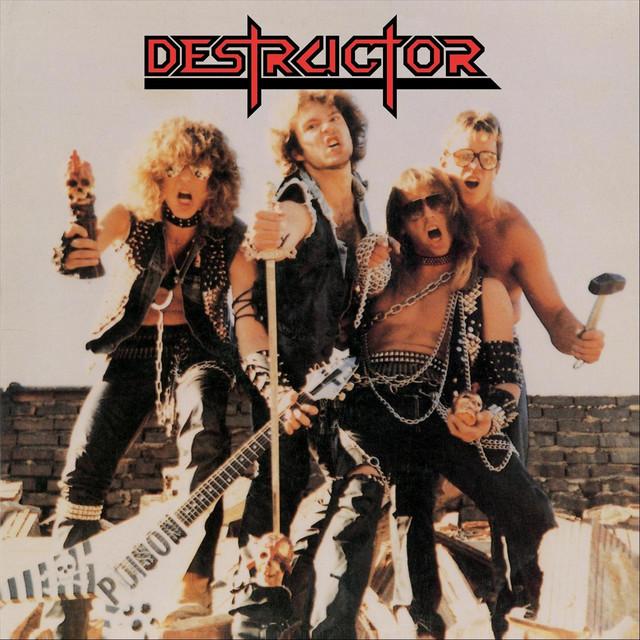
Destructor

Metal
Power Metal
Speed Metal
 Viberate Rank: 276611
 Viberate Rank: 276611
 Monthly ListenersFollowers
 Subscribers
 Followers
 Followers
 FansTop Spotify Songs
| Track | 7-Day Streams | |
|---|---|---|
1 | 176 | |
2 | 149 | |
3 | 138 | |
4 | 90 | |
5 | 69 |
Top YouTube VideosMonthly ListenersFeatured in Playlists| Playlist | Followers | |
|---|---|---|
1 |  SPEED METAL ATTACK electric_warfare | 10.40K |
2 |  Thrash Metal Classics @MansenSankari | 7.13K |
3 | Thrash Daniel Höld | 4.50K |
4 | Thrash metal 80s/90s tschingo | 3.33K |
5 | Speed Metal Hell Peder Lundgren | 2.84K |
Audience| City | Monthly Listeners | |
|---|---|---|
1 |  | 35 |
2 |  | 30 |
3 |  | 18 |
4 |  | 15 |
5 |  | 14 |
See full performance history, audience data, playlist activity, rankings, comparisons, and more in Viberate music analytics. Start with a free trial, then continue with a paid plan.
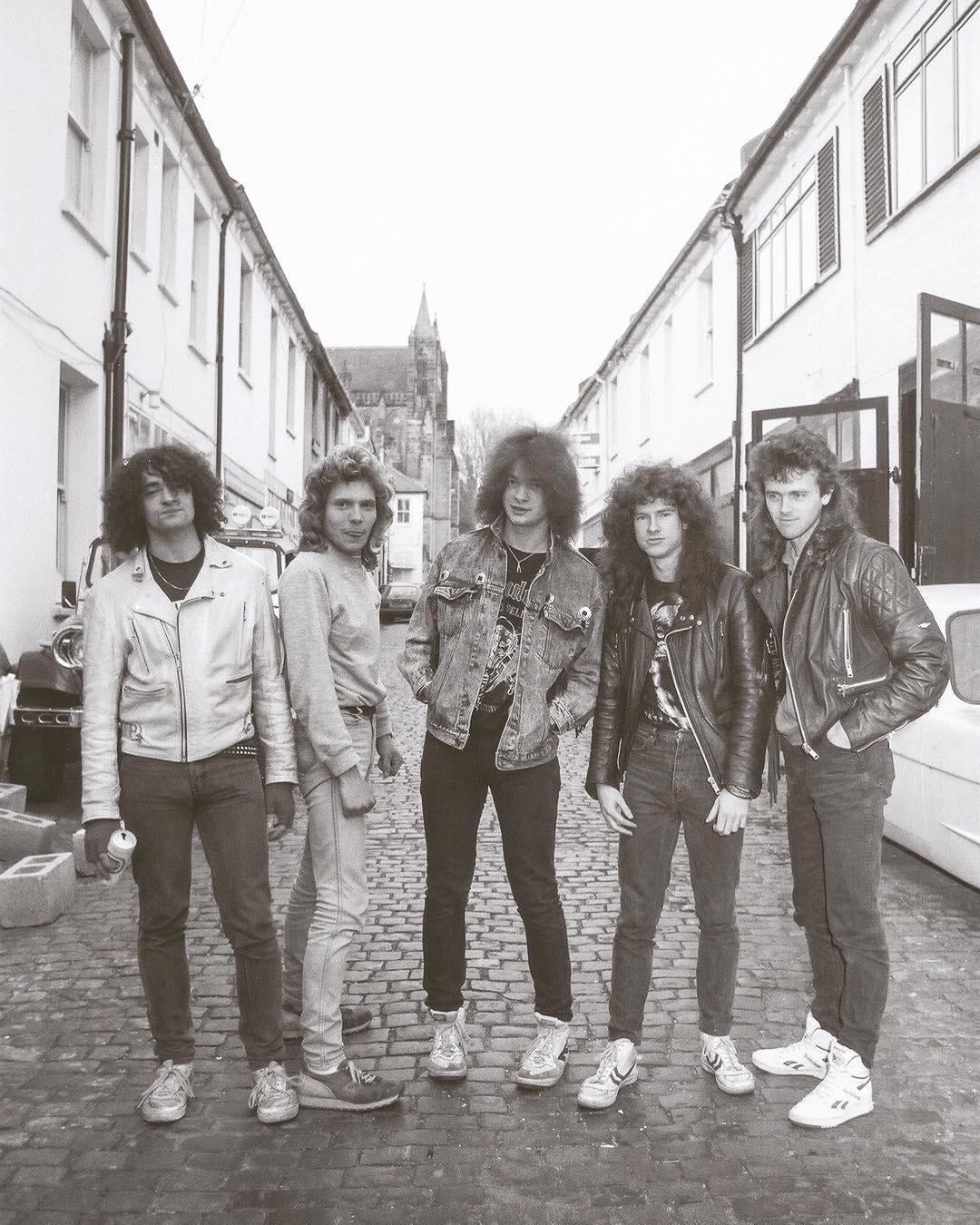
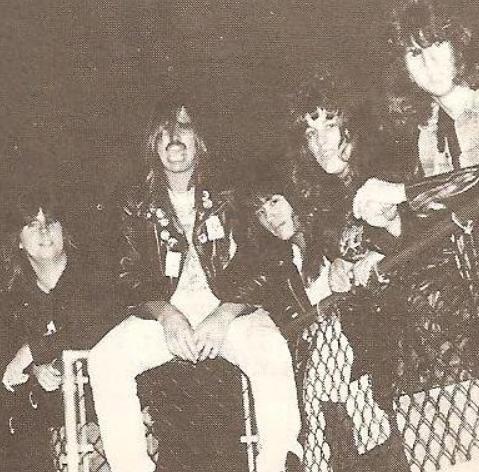
Destructor’s Spotify BioCleveland, Ohio's Destructor was a secondary 1980s thrash metal band whose brief career was curtailed by tragedy. Formed in 1983 by spectacularly renamed members Dave Overkill (vocals/guitar), Pat Rabid (guitar), Paul Warhead (bass), and perhaps best of all, Matt Flammable (drums), Destructor jumped the thrash metal bandwagon hot on the heels of pioneers like Metallica and Slayer. They were handed a record contract by local independent Auburn Records after their very first show in 1984, and new bassist Dave Holocaust (nee Janieca) joined in time for their first studio sessions. These were initially slated to produce an EP, but it quickly expanded into a full-length album called Maximum Destruction, released in 1985. Although pretty rough around the edges, the album was big on promise and well received by the metal underground, eventually leading to a joint venture being struck between Auburn and major label Island for Destructor's next effort. Work on said album -- tentatively entitled… Decibel Casualties -- began in late 1987, but, tragically, Dave Holocaust was stabbed to death on January 1, 1988; and when their Island deal fell through, Destructor decided to call it a day rather than carry on without their slain friend. No more was heard from the band until 1999, when, amazingly, the re-release of Maximum Destruction by Listenable Records (featuring portions of the aborted second LP sessions) sparked the surviving members back into action. 2002's Sonic Bullet album (rehashing plenty of unreleased- '80s material) was the result, and counted on the help of bassist Jamie Boulder (aka Jamie Walters) of the band Boulder. ~ Eduardo Rivadavia, Rovi
Viberate is a music analytics platform built for A&Rs, artist managers, labels, booking agents, marketers, and artists.
It helps music professionals track artist growth, analyze audience data, monitor playlist activity, compare artists, follow song performance, and identify opportunities across the music market.
Public artist pages provide a free preview of selected artist data. Paid plans provide access to deeper analytics, historical data, charts, comparisons, playlist tools, exports, alerts, reports, and additional professional features.
Yes. Public Viberate artist pages provide selected artist analytics and music data for free.
Viberate also offers a 7-day free trial of the full platform. A credit card is required to start the trial. The trial includes access to the complete product so users can test deeper artist analytics, historical views, playlist insights, comparisons, charts, exports, alerts, and reporting features before choosing a paid plan.
Viberate provides artist analytics across streaming, playlists, social media, video, radio airplay, songs, and audience markets.
Users can analyze Spotify performance, Spotify and Apple Music playlists, YouTube activity, TikTok and Instagram growth, radio spins, song performance, audience locations, demographics, rankings, and overall artist momentum.
Artist profiles also connect to music charts, similar artists, and comparison tools, helping users benchmark performance and evaluate artists in context.
Viberate updates key artist and track data daily.
For followed artists and tracks, selected data is refreshed multiple times per day. This helps teams monitor playlist changes, streaming movement, audience growth, releases, and campaign performance with more current data.
Update frequency can vary depending on the metric and data source.
Yes. Viberate lets users compare up to five artists side by side across streaming, social media, audience, and engagement metrics.
Users can compare fanbase growth, audience demographics, locations, Spotify performance, social metrics, and other artist data over selected time periods.
Artist comparison can be used for A&R scouting, benchmarking, booking decisions, campaign planning, and evaluating artists with similar audiences or market positions.