Henning Baer

Electronic
Techno
Acid Techno
 Viberate Rank: 119205
 Viberate Rank: 119205
 Monthly ListenersFollowers
 Subscribers
 Followers
 Followers
 FansTop Spotify Songs
| Track | 7-Day Streams | |
|---|---|---|
1 | 1.63K | |
2 | 461 | |
3 | 194 | |
4 | 89 | |
5 | 75 |
Top YouTube VideosMonthly ListenersFeatured in Playlists| Playlist | Followers | |
|---|---|---|
1 | Berghain Music Roman Wäger | 39.72K |
2 |  BERGHAIN / Berlin underground techno Erik Podškubka | 16.10K |
3 |  Hypnotic Techno Jimmy Ghaderi | 14.90K |
4 |  Acid House & Techno Jaime Sanford | 8.08K |
5 |  Marrøn | HÖR Berlin | Techno Beam Scōtch | 7.68K |
Audience| City | Monthly Listeners | |
|---|---|---|
1 | | 169 |
2 |  | 55 |
3 |  | 52 |
4 |  | 49 |
5 |  | 49 |
See full performance history, audience data, playlist activity, rankings, comparisons, and more in Viberate music analytics. Start with a free trial, then continue with a paid plan.
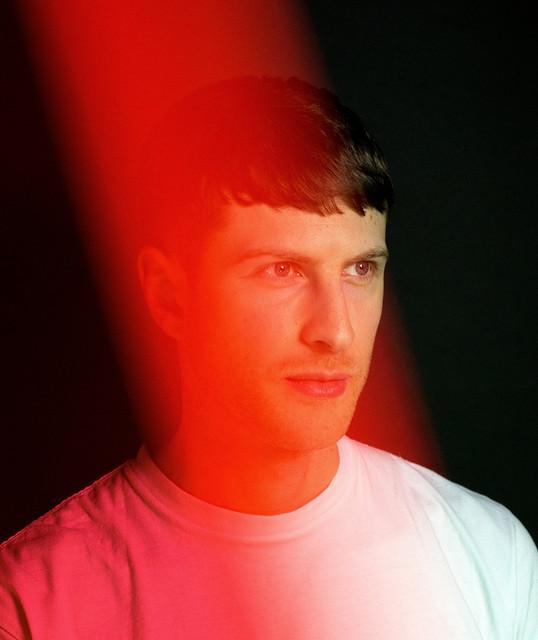
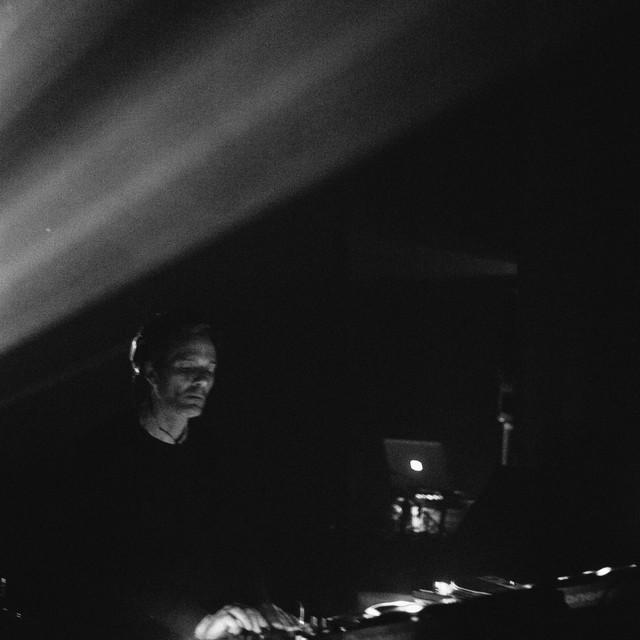
Henning Baer’s Spotify BioSince its beginning in 2009, Grounded Theory has grown from a bracing new idea in Berlin techno to an institution of artistic nightlife both at its home and around the continent. Directed with acute vision and unerring judgment, its philosophy extracted from Henning’s long years at the front lines of electronic music, it remains diverse and cutting edge. Mirroring Henning Baer's DJ sets, Grounded Theory combines music from different eras and areas, remaining rooted in techno while shedding light on sounds less frequently heard on Berlin dance floors: forward UK music, experimental electronics, and underground techno names from across the globe, both new and established.
Henning Baer is asserting greater independence with innovative new production styles on a recent EP for Taanstaafl Planets. The launch of his own MANHIGH imprint buttresses the foundation of his own work, to be built up alongside a select few whose productions meet the curatorial acumen of one of techno’s finest ears.… After esteemed releases on Sonic Groove, K209 and elsewhere, fans worldwide have much to look forward to from a label whose standards match those of Grounded Theory. Already a respected artist, Henning’s diligence has transported him from the counter to the shelves of Hardwax and from the floor to the booth of Berghain in regular appearances. Now he is building further upon these impressive accomplishments, profoundly shaping contemporary techno from recent memory into the foreseeable future.
Viberate is a music analytics platform built for A&Rs, artist managers, labels, booking agents, marketers, and artists.
It helps music professionals track artist growth, analyze audience data, monitor playlist activity, compare artists, follow song performance, and identify opportunities across the music market.
Public artist pages provide a free preview of selected artist data. Paid plans provide access to deeper analytics, historical data, charts, comparisons, playlist tools, exports, alerts, reports, and additional professional features.
Yes. Public Viberate artist pages provide selected artist analytics and music data for free.
Viberate also offers a 7-day free trial of the full platform. A credit card is required to start the trial. The trial includes access to the complete product so users can test deeper artist analytics, historical views, playlist insights, comparisons, charts, exports, alerts, and reporting features before choosing a paid plan.
Viberate provides artist analytics across streaming, playlists, social media, video, radio airplay, songs, and audience markets.
Users can analyze Spotify performance, Spotify and Apple Music playlists, YouTube activity, TikTok and Instagram growth, radio spins, song performance, audience locations, demographics, rankings, and overall artist momentum.
Artist profiles also connect to music charts, similar artists, and comparison tools, helping users benchmark performance and evaluate artists in context.
Viberate updates key artist and track data daily.
For followed artists and tracks, selected data is refreshed multiple times per day. This helps teams monitor playlist changes, streaming movement, audience growth, releases, and campaign performance with more current data.
Update frequency can vary depending on the metric and data source.
Yes. Viberate lets users compare up to five artists side by side across streaming, social media, audience, and engagement metrics.
Users can compare fanbase growth, audience demographics, locations, Spotify performance, social metrics, and other artist data over selected time periods.
Artist comparison can be used for A&R scouting, benchmarking, booking decisions, campaign planning, and evaluating artists with similar audiences or market positions.