Steve Bicknell

Electronic
Techno
 Viberate Rank: 213320
 Viberate Rank: 213320
 Monthly ListenersFollowers
 Subscribers
 Followers
 Followers
 FansTop Spotify Songs
| Track | 7-Day Streams | |
|---|---|---|
1 | 633 | |
2 | 286 | |
3 | 249 | |
4 | 206 | |
5 | 135 |
Top YouTube VideosMonthly ListenersFeatured in Playlists| Playlist | Followers | |
|---|---|---|
1 | Boiler Room Bartholomew Cronin | 51.09K |
2 |  BERGHAIN / Berlin underground techno Erik Podškubka | 16.10K |
3 |  Hypnotic Techno Jimmy Ghaderi | 14.90K |
4 | Deep Ambient Techno Štefan Repček | 11.14K |
5 | Berlin Dark & Industrial Techno Raphel Jmh | 9.48K |
Audience| City | Monthly Listeners | |
|---|---|---|
1 | | 204 |
2 |  | 93 |
3 |  | 78 |
4 |  | 72 |
5 |  | 70 |
See full performance history, audience data, playlist activity, rankings, comparisons, and more in Viberate music analytics. Start with a free trial, then continue with a paid plan.
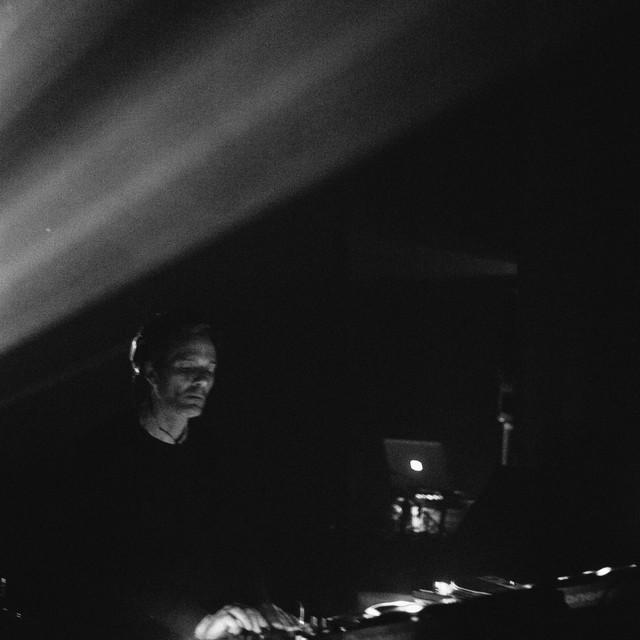
Steve Bicknell’s Spotify BioSteve Bicknell has been at the forefront of the ever-growing electronic music scene since its infancy. Steve has developed from early beginnings as a promoter and resident DJ to one of the UK's most established, accomplished and respected techno artists, credited by many as a true pioneer. Steve launched LOST in 1991, since its induction to the present day LOST has stood as one of the UK's most innovative and scene-defining events. Steve launched Cosmic Records in 1993, and a new musical direction was found. When it comes to Steve Bicknell's productions it’s no doubt he embodies the true essence of straight to the point, no-nonsense techno characteristics he fluidly translates into his DJ sets. Reflecting on Steve’s earliest work it is clear after stepping back from producing in the mid 2005 he was still able to maintain the same relentless energy and curiosity yet honing and evolving it into something fresh and current upon his return in 2013. Equipped with neoteric ideas, in 2016… Steve launched his latest imprint 6dimensions, which he describes as being “an exploration into balance and imbalance of the human mind’s natural make-up. Furthermore, in 2017 the techno supergroup LSD was formed alongside friends Luke Slater and David Sumner. Steve's mission...... "continue to create, explore and experiment"
Viberate is a music analytics platform built for A&Rs, artist managers, labels, booking agents, marketers, and artists.
It helps music professionals track artist growth, analyze audience data, monitor playlist activity, compare artists, follow song performance, and identify opportunities across the music market.
Public artist pages provide a free preview of selected artist data. Paid plans provide access to deeper analytics, historical data, charts, comparisons, playlist tools, exports, alerts, reports, and additional professional features.
Yes. Public Viberate artist pages provide selected artist analytics and music data for free.
Viberate also offers a 7-day free trial of the full platform. A credit card is required to start the trial. The trial includes access to the complete product so users can test deeper artist analytics, historical views, playlist insights, comparisons, charts, exports, alerts, and reporting features before choosing a paid plan.
Viberate provides artist analytics across streaming, playlists, social media, video, radio airplay, songs, and audience markets.
Users can analyze Spotify performance, Spotify and Apple Music playlists, YouTube activity, TikTok and Instagram growth, radio spins, song performance, audience locations, demographics, rankings, and overall artist momentum.
Artist profiles also connect to music charts, similar artists, and comparison tools, helping users benchmark performance and evaluate artists in context.
Viberate updates key artist and track data daily.
For followed artists and tracks, selected data is refreshed multiple times per day. This helps teams monitor playlist changes, streaming movement, audience growth, releases, and campaign performance with more current data.
Update frequency can vary depending on the metric and data source.
Yes. Viberate lets users compare up to five artists side by side across streaming, social media, audience, and engagement metrics.
Users can compare fanbase growth, audience demographics, locations, Spotify performance, social metrics, and other artist data over selected time periods.
Artist comparison can be used for A&R scouting, benchmarking, booking decisions, campaign planning, and evaluating artists with similar audiences or market positions.