Inland

Electronic
Techno
Dub Techno
 Viberate Rank: 439658
 Viberate Rank: 439658
 Monthly ListenersFollowers
 Subscribers
 Followers
 Followers
 FansTop Spotify Songs
| Track | 7-Day Streams | |
|---|---|---|
1 | 698 | |
2 | 121 | |
3 | 69 | |
4 | 49 | |
5 | 48 |
Top YouTube VideosMonthly ListenersFeatured in Playlists| Playlist | Followers | |
|---|---|---|
1 |  HÖR BERLIN Rhadamanthus | 40.07K |
2 | Berghain Music Roman Wäger | 39.72K |
3 |  BERGHAIN / Berlin underground techno Erik Podškubka | 16.10K |
4 |  please-o-please play the techno song. ana moldovan | 11.99K |
5 | Techno tkoppelaar | 10.56K |
Audience| City | Monthly Listeners | |
|---|---|---|
1 |  | 232 |
2 | | 73 |
3 | | 50 |
4 |  | 43 |
5 | | 40 |
See full performance history, audience data, playlist activity, rankings, comparisons, and more in Viberate music analytics. Start with a free trial, then continue with a paid plan.
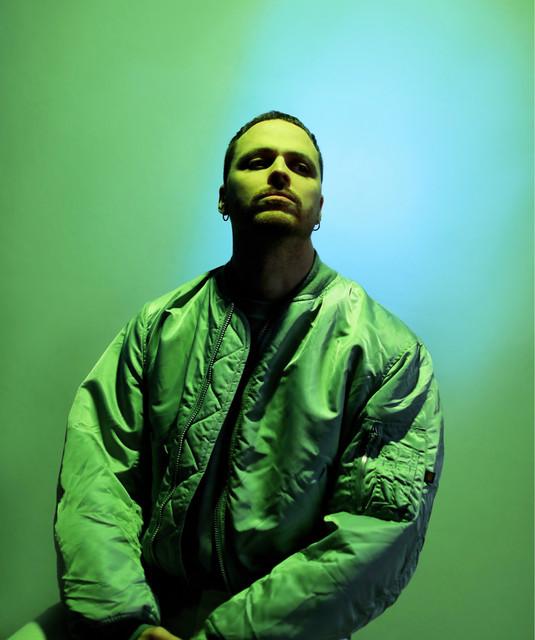
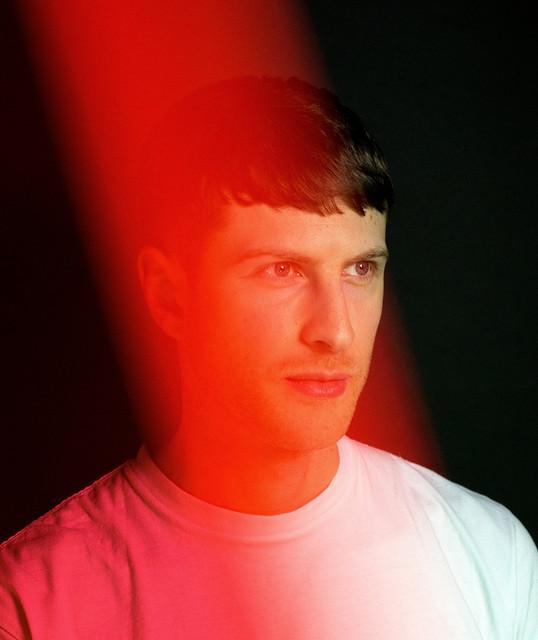
Inland’s Spotify BioInland is one of several aliases of British electronic music producer Ed Davenport, his outlet for deep, expressive techno. The project's intricately detailed, percussive style really comes into its own when given room to spread out, as on its 2018 debut album, An Invitation to Disappear.
A child of the '90s, Davenport was intrigued by the experimental electronic sounds, from the likes of Underworld and Altern8, that often managed to hit the U.K. pop charts during that decade. Clubbing trips to London's iconic Fabric during the early 2000s broadened his appreciation, and he started making his own music, a bouncy, glitchy, melodic blend of house, techno and dub. Under his own name, he released his first productions in 2006, beginning with the single "Diminuendo" on Gumption. A steady stream of releases followed on labels like Liebe*Detail, District of Corruption, and Figure SPC. His 2012 debut album, Counterchange, was one of the last releases on esteemed British house label NRK before… it closed down. That same year, he started his own label, also called Counterchange. In the early 2010s, like many other British producers, he moved to Berlin.
Davenport launched the Inland alias in 2013 with "EP X" on Vidab, winning more fans with its deep, danceable, richly textured techno. The following year he helped Function relaunch his Infrastructure New York label after a nine-year gap. The pair collaborated on the "Odeon" EP; Inland also appeared on the label's well-received Facticity compilation. After further releases on Nonplus, Black Crow, and his own Counterchange, he released the debut Inland album, An Invitation to Disappear, in 2018 through Ostgut Ton sub-label A-Ton. A collaboration with visual artist Julian Charrière, it was the soundtrack to a video installation dealing with climate change. ~ John D. Buchanan, Rovi
Viberate is a music analytics platform built for A&Rs, artist managers, labels, booking agents, marketers, and artists.
It helps music professionals track artist growth, analyze audience data, monitor playlist activity, compare artists, follow song performance, and identify opportunities across the music market.
Public artist pages provide a free preview of selected artist data. Paid plans provide access to deeper analytics, historical data, charts, comparisons, playlist tools, exports, alerts, reports, and additional professional features.
Yes. Public Viberate artist pages provide selected artist analytics and music data for free.
Viberate also offers a 7-day free trial of the full platform. A credit card is required to start the trial. The trial includes access to the complete product so users can test deeper artist analytics, historical views, playlist insights, comparisons, charts, exports, alerts, and reporting features before choosing a paid plan.
Viberate provides artist analytics across streaming, playlists, social media, video, radio airplay, songs, and audience markets.
Users can analyze Spotify performance, Spotify and Apple Music playlists, YouTube activity, TikTok and Instagram growth, radio spins, song performance, audience locations, demographics, rankings, and overall artist momentum.
Artist profiles also connect to music charts, similar artists, and comparison tools, helping users benchmark performance and evaluate artists in context.
Viberate updates key artist and track data daily.
For followed artists and tracks, selected data is refreshed multiple times per day. This helps teams monitor playlist changes, streaming movement, audience growth, releases, and campaign performance with more current data.
Update frequency can vary depending on the metric and data source.
Yes. Viberate lets users compare up to five artists side by side across streaming, social media, audience, and engagement metrics.
Users can compare fanbase growth, audience demographics, locations, Spotify performance, social metrics, and other artist data over selected time periods.
Artist comparison can be used for A&R scouting, benchmarking, booking decisions, campaign planning, and evaluating artists with similar audiences or market positions.