Harpers Bizarre

Pop
Mainstream Pop
Progressive Rock
 Viberate Rank: 115512
 Viberate Rank: 115512
 Monthly ListenersFollowers
 Subscribers
 Followers
 Followers
 FansTop Spotify Songs
| Track | 7-Day Streams | |
|---|---|---|
1 | 16.59K | |
2 | 7.95K | |
3 | 2.10K | |
4 | 2.10K | |
5 | 1.95K |
Top YouTube VideosMonthly ListenersFeatured in Playlists| Playlist | Followers | |
|---|---|---|
1 |  Caribou - The Longest Mixtape: 1000+ Songs For You Caribou | 53.23K |
2 |  Greatest Hits of All Time DJ-on | 25.78K |
3 |  Very Beautiful Songs Alex Delany | 24.83K |
4 |  Mixtape - Game Soundtrack musikatlas | 24.78K |
5 |  That 70s Show Björn Lindhe | 24.49K |
Audience| City | Monthly Listeners | |
|---|---|---|
1 |  | 1.06K |
2 |  | 973 |
3 | | 953 |
4 | | 807 |
5 | | 706 |
See full performance history, audience data, playlist activity, rankings, comparisons, and more in Viberate music analytics. Start with a free trial, then continue with a paid plan.
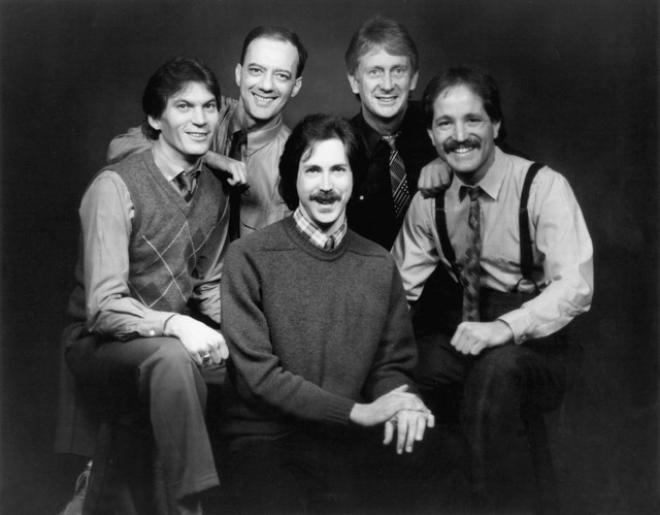
Harpers Bizarre’s Spotify BioAs part of the sunshine pop movement of the late 1960s, California group Harpers Bizarre made light and easygoing songs characterized by orchestral instrumentation, lush vocal harmonies, and mirthful subject matter. During a brief run between 1967 and 1970, the band enjoyed a few minor hits and released four albums with their original lineup, embracing a slightly more countercultural approach by the time of 1969's Harpers Bizarre 4. Core member Ted Templeman would go on to work mostly as a producer, working with Carly Simon, Van Morrison, the Doobie Brothers, Van Halen, and many other stars as the years went on.
Harpers Bizarre began as the Tikis, a short-lived band from Santa Cruz that formed in 1963 and included Templeman, Dickie Scoppettone, Eddie James, Dick Yount, and John Peterson, who had briefly played in the Beau Brummels. The Tikis dabbled in surf and Beatles-inspired pop songs, and released a few singles. In 1967, the group recorded a version of Simon & Garfunkel's "The 59th… Street Bridge Song (Feelin' Groovy)" with an arrangement by Leon Russell that emphasized vocal harmonizing and a bright, optimistic tone. The song was released as a single under the name Harpers Bizarre and immediately outperformed anything the Tikis had attempted, rising to number 13 on the U.S. Billboard charts and also cracking the Top 50 in the U.K. The band quickly recorded a debut album, Feelin' Groovy, which was released in April 1967 and included a second minor hit with the Van Dyke Parks cover "Come to the Sunshine." Before the end of the year, second album Anything Goes was released, named for the group's rendition of the Cole Porter tune that was included on the album and charted as a single.
James left Harpers Bizarre shortly after Anything Goes was released and was replaced by Tom Sowell. The band issued several other singles and albums, including 1968's The Secret Life of Harpers Bizarre and 1969's Harpers Bizarre 4, always presenting a mixture of original material and covers of popular songs of the day in their sunny, chamber pop style. Subsequent work never matched the commercial success of their first few singles, and by 1970 Harpers Bizarre quietly dissolved, with Templeman pursuing production work for Warner Bros. records. A partial reunion without Templeman resulted in the 1976 album As Time Goes By. ~ Fred Thomas, Rovi
Viberate is a music analytics platform built for A&Rs, artist managers, labels, booking agents, marketers, and artists.
It helps music professionals track artist growth, analyze audience data, monitor playlist activity, compare artists, follow song performance, and identify opportunities across the music market.
Public artist pages provide a free preview of selected artist data. Paid plans provide access to deeper analytics, historical data, charts, comparisons, playlist tools, exports, alerts, reports, and additional professional features.
Yes. Public Viberate artist pages provide selected artist analytics and music data for free.
Viberate also offers a 7-day free trial of the full platform. A credit card is required to start the trial. The trial includes access to the complete product so users can test deeper artist analytics, historical views, playlist insights, comparisons, charts, exports, alerts, and reporting features before choosing a paid plan.
Viberate provides artist analytics across streaming, playlists, social media, video, radio airplay, songs, and audience markets.
Users can analyze Spotify performance, Spotify and Apple Music playlists, YouTube activity, TikTok and Instagram growth, radio spins, song performance, audience locations, demographics, rankings, and overall artist momentum.
Artist profiles also connect to music charts, similar artists, and comparison tools, helping users benchmark performance and evaluate artists in context.
Viberate updates key artist and track data daily.
For followed artists and tracks, selected data is refreshed multiple times per day. This helps teams monitor playlist changes, streaming movement, audience growth, releases, and campaign performance with more current data.
Update frequency can vary depending on the metric and data source.
Yes. Viberate lets users compare up to five artists side by side across streaming, social media, audience, and engagement metrics.
Users can compare fanbase growth, audience demographics, locations, Spotify performance, social metrics, and other artist data over selected time periods.
Artist comparison can be used for A&R scouting, benchmarking, booking decisions, campaign planning, and evaluating artists with similar audiences or market positions.