Cosmic Jokers

Rock
Progressive Rock
Psychedelic Rock
 Viberate Rank: 391409
 Viberate Rank: 391409
 Monthly ListenersFollowers
 Subscribers
 Followers
 Followers
 FansTop Spotify SongsTop YouTube VideosMonthly ListenersFeatured in Playlists
| Playlist | Followers | |
|---|---|---|
1 | Best of Progressive Rock Niels N. | 51.41K |
2 | space rock & psychedelia Edson Alejandro Adame | 8.05K |
3 |  Late Night Tales: Digging In The Crates Late Night Tales | 7.94K |
4 |  Jun Takashaki Edward Hacking | 4.41K |
5 |  '60s-'70s german krautrock 🧿 dialectic ego death 🧿 | 4.23K |
Audience| City | Monthly Listeners | |
|---|---|---|
1 |  | 23 |
2 |  | 22 |
3 | | 13 |
4 |  | 12 |
5 | | 12 |
See full performance history, audience data, playlist activity, rankings, comparisons, and more in Viberate music analytics. Start with a free trial, then continue with a paid plan.
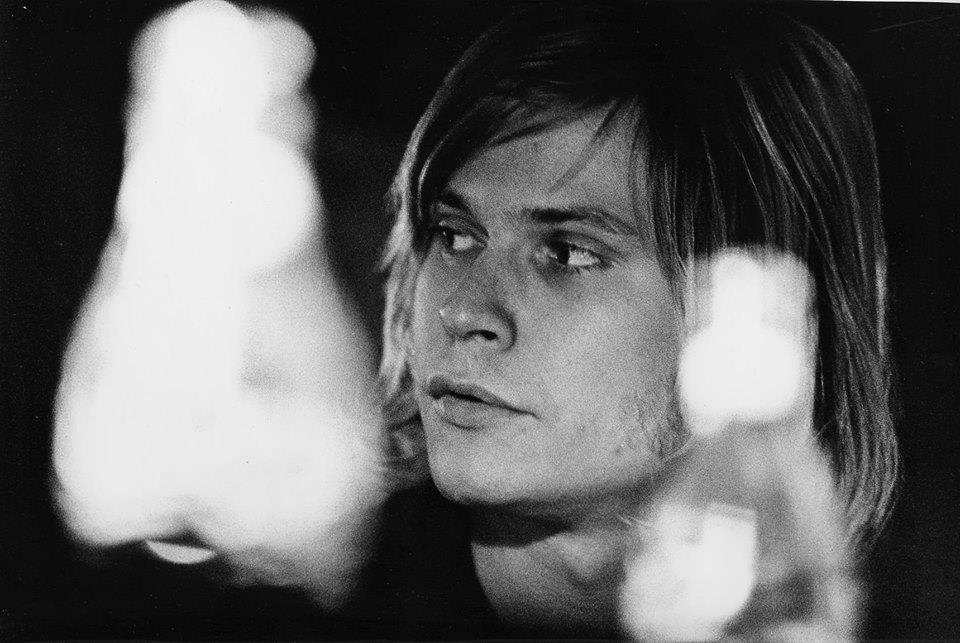
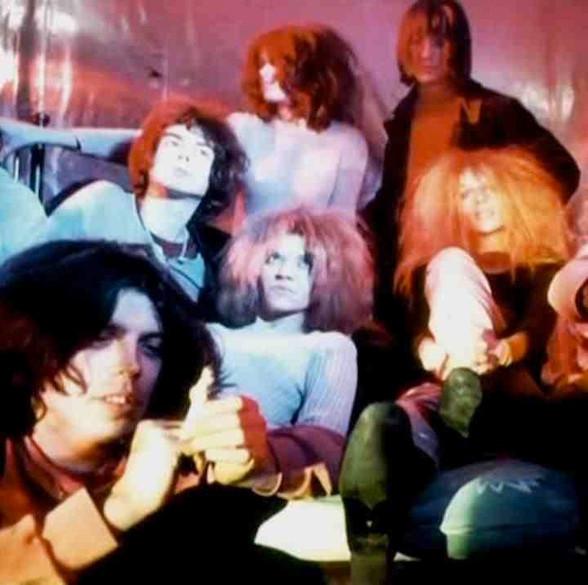
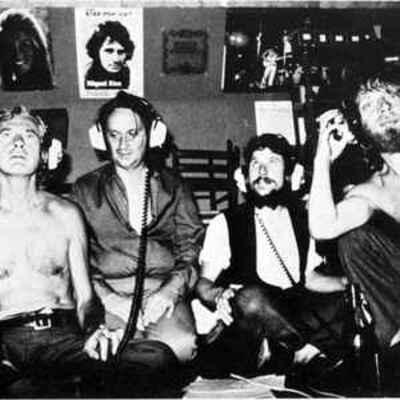
Cosmic Jokers’ Spotify BioOne day in 1974, Manuel Göttsching, guitarist for the legendary Krautrock band Ash Ra Tempel, walked into a Berlin record store and heard some wildly cosmic guitar sounds blasting from the speakers. He was shocked to discover that he was listening to a new Krautrock supergroup, and that he in fact was the guitarist. The Cosmic Jokers were the greatest Krautrock supergroup that never was, a cosmic joke even on most of the musicians who played on the sessions, unbeknownst they were members of this new "group." Over several months in early 1973, producer Rolf-Ulrich Kaiser organized several wild acid parties at Dieter Dierks' sound studio, where the musicians played in exchange for a small fee and all the hallucinogens they could ingest. These musicians included Göttsching and Klaus Schulze of Ash Ra Tempel, Jurgen Dollase and Harald Grosskopf of Wallenstein, and Dierks himself. They had all been part of the Cosmic Couriers, a loose group that had musically backed Kaiser-produced records… by Swiss artist/poet Sergius Golowin, gypsy Tarot-reader Walter Wegmuller, and even acid guru Timothy Leary the year before.
From these 1973 sessions, the Cosmic Jokers were born, as Kaiser and Dierks edited and mixed the material and slapped it out on vinyl on Kaiser's Kosmiche Musik label without the other musicians knowing anything about it until the records appeared in stores, even as their pictures were posted prominently on the covers. The self-titled first album followed in rapid succession by Galactic Supermarket (which actually wasn't credited to the Cosmic Jokers when it originally came out) and Planeten Sit-In, all released in 1974. In that same year came out two other records later credited to the Cosmic Jokers, the Kosmische Musik label sampler Sci-Fi Party, and Gilles Zeitschiff (or "Jill's Timeship"). This last album featured Gille Lettmann, Kaiser's girlfriend at the time, also known as Sternenmadchen, narrating over music plundered from various earlier Kosmische Musik releases. By now the unpaid musicians were quite resentful, and Zeitschiff, where they play second fiddle to Kaiser's girlfriend, was the last straw for Klaus Schulze, who soon took legal action against the increasingly megalomaniac Kaiser. By 1975, all the albums were withdrawn until the musicians rights could be sorted out and Kaiser was run out of the country by the authorities, his record empire destroyed. Though some people at the time disparaged these records as a bad gimmick and one of the worst examples of blatant artist rip-off, and Schulze still reviles them, the fact can't be denied that these are some of the best records of utterly tripped-out German cosmic space rock ever made. ~ Rolf Semprebon, Rovi
Viberate is a music analytics platform built for A&Rs, artist managers, labels, booking agents, marketers, and artists.
It helps music professionals track artist growth, analyze audience data, monitor playlist activity, compare artists, follow song performance, and identify opportunities across the music market.
Public artist pages provide a free preview of selected artist data. Paid plans provide access to deeper analytics, historical data, charts, comparisons, playlist tools, exports, alerts, reports, and additional professional features.
Yes. Public Viberate artist pages provide selected artist analytics and music data for free.
Viberate also offers a 7-day free trial of the full platform. A credit card is required to start the trial. The trial includes access to the complete product so users can test deeper artist analytics, historical views, playlist insights, comparisons, charts, exports, alerts, and reporting features before choosing a paid plan.
Viberate provides artist analytics across streaming, playlists, social media, video, radio airplay, songs, and audience markets.
Users can analyze Spotify performance, Spotify and Apple Music playlists, YouTube activity, TikTok and Instagram growth, radio spins, song performance, audience locations, demographics, rankings, and overall artist momentum.
Artist profiles also connect to music charts, similar artists, and comparison tools, helping users benchmark performance and evaluate artists in context.
Viberate updates key artist and track data daily.
For followed artists and tracks, selected data is refreshed multiple times per day. This helps teams monitor playlist changes, streaming movement, audience growth, releases, and campaign performance with more current data.
Update frequency can vary depending on the metric and data source.
Yes. Viberate lets users compare up to five artists side by side across streaming, social media, audience, and engagement metrics.
Users can compare fanbase growth, audience demographics, locations, Spotify performance, social metrics, and other artist data over selected time periods.
Artist comparison can be used for A&R scouting, benchmarking, booking decisions, campaign planning, and evaluating artists with similar audiences or market positions.