Grötüs

Rock
Alternative Rock
Industrial rock
 Viberate Rank: 458770
 Viberate Rank: 458770
 Monthly ListenersFollowers
 Subscribers
 Followers
 Followers
 FansTop Spotify Songs
| Track | 7-Day Streams | |
|---|---|---|
1 | 176 | |
2 | 82 | |
3 | 63 | |
4 | 59 | |
5 | 58 |
Top YouTube VideosMonthly ListenersFeatured in Playlists| Playlist | Followers | |
|---|---|---|
1 |  The Sound of Noise Rock The Sounds of Spotify | 6.06K |
2 |  JAZZCORE° O.S.D | 1.70K |
3 | 80s Metal, 90s Thrash Thrown in a Trash Bag 1228897839 | 1.56K |
Audience| City | Monthly Listeners | |
|---|---|---|
1 | | 12 |
2 | | 10 |
3 | | 10 |
4 |  | 9 |
5 | | 9 |
See full performance history, audience data, playlist activity, rankings, comparisons, and more in Viberate music analytics. Start with a free trial, then continue with a paid plan.
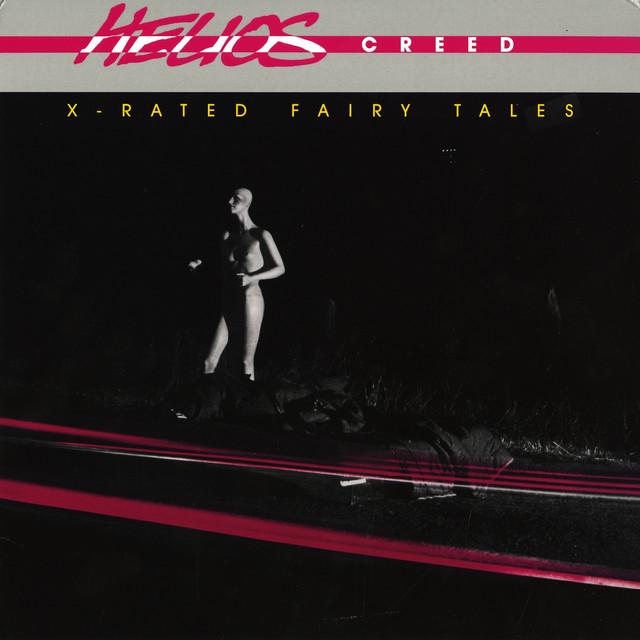
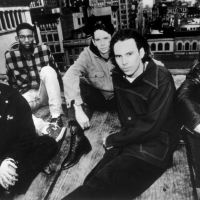
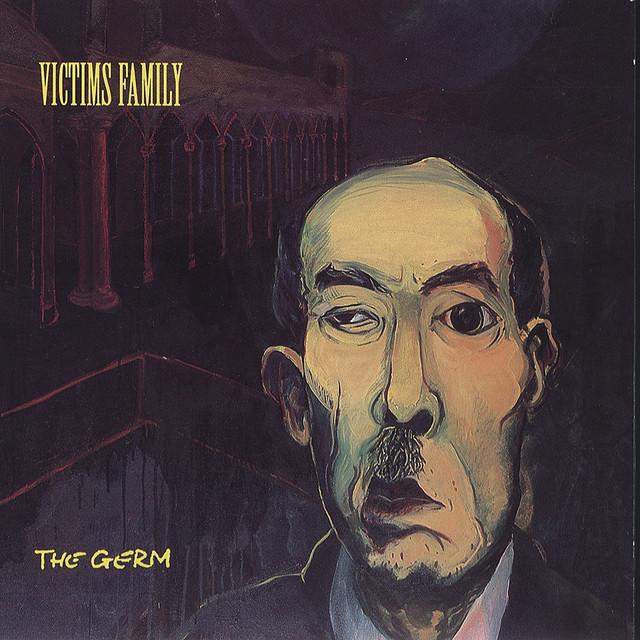
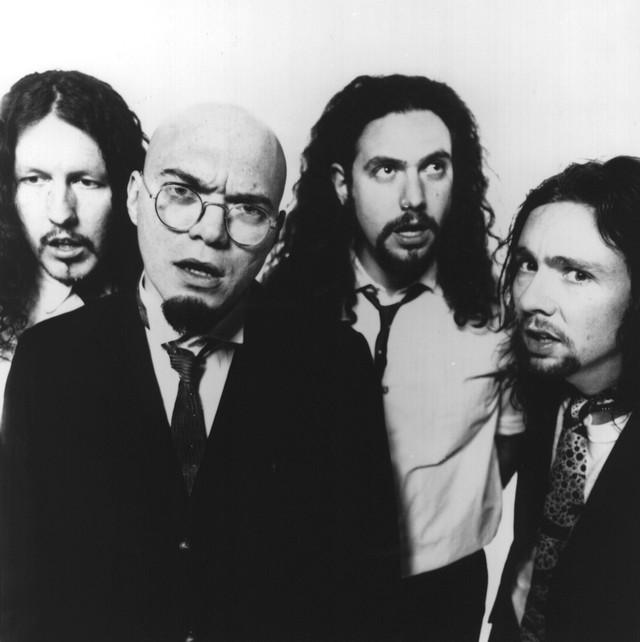
Grötüs’ Spotify BioWith their eccentric blend of disparate musical styles, San Francisco's Grotus fit in extremely well with the 1990s freewheeling alt-rock spirit -- so well, and so freewheeling, in fact, that hardly anyone remembers their existence. Birthed along with the decade itself, the quartet comprised of Lars Fox (vocals/samples), Adam Tanner (guitar/bass/samples), John Carson (bass/samples), and Bruce Boyd recorded several albums (including 1991's Brown, 1993's Slow Motion Apocalypse, and 1996's Mass) featuring heavily electronic/industrial distortions of alt-rock and metal -- all topped with often inscrutable, nearly dadaist lyrics decried in a schizophrenic array of voices. That Grotus managed to attract a small cult following almost goes without saying, but mass acceptance was probably never an option, so, after being juggled by a number of well-intentioned but equally perplexed independent labels, the group's career (also filled with several EPs and remix sets) finally ground to a halt in… the late '90s, along with the alt-rock era's enthusiasm for anything so quirky. ~ Eduardo Rivadavia, Rovi
Viberate is a music analytics platform built for A&Rs, artist managers, labels, booking agents, marketers, and artists.
It helps music professionals track artist growth, analyze audience data, monitor playlist activity, compare artists, follow song performance, and identify opportunities across the music market.
Public artist pages provide a free preview of selected artist data. Paid plans provide access to deeper analytics, historical data, charts, comparisons, playlist tools, exports, alerts, reports, and additional professional features.
Yes. Public Viberate artist pages provide selected artist analytics and music data for free.
Viberate also offers a 7-day free trial of the full platform. A credit card is required to start the trial. The trial includes access to the complete product so users can test deeper artist analytics, historical views, playlist insights, comparisons, charts, exports, alerts, and reporting features before choosing a paid plan.
Viberate provides artist analytics across streaming, playlists, social media, video, radio airplay, songs, and audience markets.
Users can analyze Spotify performance, Spotify and Apple Music playlists, YouTube activity, TikTok and Instagram growth, radio spins, song performance, audience locations, demographics, rankings, and overall artist momentum.
Artist profiles also connect to music charts, similar artists, and comparison tools, helping users benchmark performance and evaluate artists in context.
Viberate updates key artist and track data daily.
For followed artists and tracks, selected data is refreshed multiple times per day. This helps teams monitor playlist changes, streaming movement, audience growth, releases, and campaign performance with more current data.
Update frequency can vary depending on the metric and data source.
Yes. Viberate lets users compare up to five artists side by side across streaming, social media, audience, and engagement metrics.
Users can compare fanbase growth, audience demographics, locations, Spotify performance, social metrics, and other artist data over selected time periods.
Artist comparison can be used for A&R scouting, benchmarking, booking decisions, campaign planning, and evaluating artists with similar audiences or market positions.