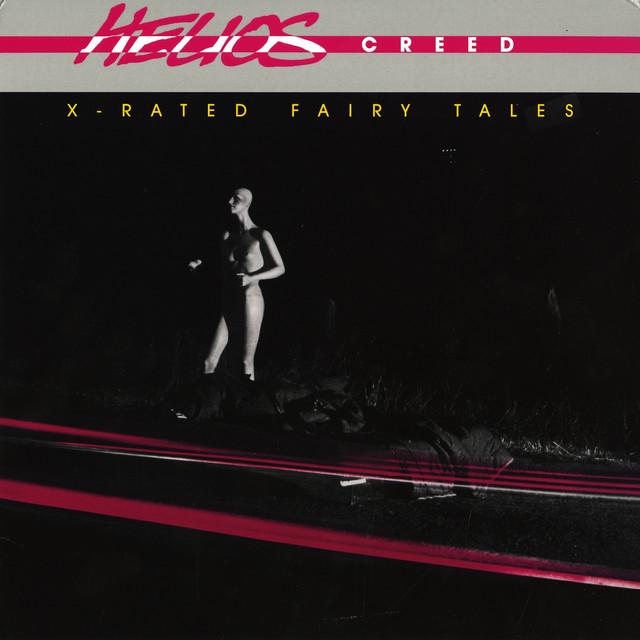
Helios Creed

Punk
Punk Rock
Space Rock
 Viberate Rank: 266181
 Viberate Rank: 266181
 Monthly ListenersFollowers
 Subscribers
 Followers
 Followers
 FansTop Spotify Songs
| Track | 7-Day Streams | |
|---|---|---|
1 | 113 | |
2 | 49 | |
3 | 47 | |
4 | 46 | |
5 | 29 |
Top YouTube VideosMonthly ListenersFeatured in Playlists| Playlist | Followers | |
|---|---|---|
1 |  The Sound of Noise Rock The Sounds of Spotify | 6.06K |
2 | Sampled vs Samplers DJ Broky B | 4.19K |
3 |  Henry Rollins KCRW radioshow Roadrunner Music | 3.56K |
4 | TOO Much Dubstep - Vol.1 (Search for Vol 2, as this is now full) Nyk // kynky // syknyk | 2.22K |
5 |  Goth 2024 Madi Danger | 1.49K |
Audience| City | Monthly Listeners | |
|---|---|---|
1 | | 15 |
2 | | 13 |
3 |  | 12 |
4 | | 11 |
5 | | 11 |
See full performance history, audience data, playlist activity, rankings, comparisons, and more in Viberate music analytics. Start with a free trial, then continue with a paid plan.
Helios Creed’s Spotify BioThe biting sounds of grunge and industrial ruled the alternative airwaves in the 1990s, and most of the era's guitarists learned their licks from the Sex Pistols, Zeppelin, Sabbath, and Metallica. A fair number, though, were also inspired by the science-fiction paranoia of Helios Creed, who formed the proto-industrialist group Chrome and erected a lengthy discography of several dozen albums (roughly half of them as a solo act) to enforce his standing in the second tier of influential guitarists in his time.
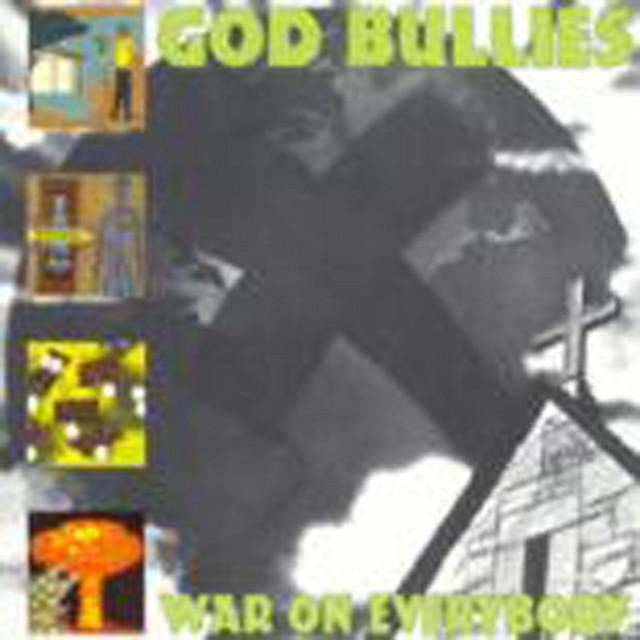
After moving to San Francisco, Helios Creed joined Chrome around 1977 with vocalist/drummer Damon Edge, guitarist John Lambdin, and bassist Gary Spain. Over the next five years, Chrome explored punk and hardcore, with an increasing reliance on synthesizers, tape loops, and samples from TV. The group broke up in 1982, and Creed was dormant for several years until his debut solo album, X-Rated Fairy Tales, appeared in 1985. Another dry spell ensued until the end of the decade, when… Superior Catholic was released on the Subterranean label. (Both albums were later reissued on one disc.) For his third album Last Laugh, Creed moved to the grunge imprint Amphetamine Reptile. He recorded Boxing the Clown, Kiss to the Brain, and Lactating Purple for AmRep, but has also released albums through the industrial label Cleopatra including Busting Through the Van Allan, Cosmic Assault, and a self-titled effort. ~ John Bush, Rovi
Viberate is a music analytics platform built for A&Rs, artist managers, labels, booking agents, marketers, and artists.
It helps music professionals track artist growth, analyze audience data, monitor playlist activity, compare artists, follow song performance, and identify opportunities across the music market.
Public artist pages provide a free preview of selected artist data. Paid plans provide access to deeper analytics, historical data, charts, comparisons, playlist tools, exports, alerts, reports, and additional professional features.
Yes. Public Viberate artist pages provide selected artist analytics and music data for free.
Viberate also offers a 7-day free trial of the full platform. A credit card is required to start the trial. The trial includes access to the complete product so users can test deeper artist analytics, historical views, playlist insights, comparisons, charts, exports, alerts, and reporting features before choosing a paid plan.
Viberate provides artist analytics across streaming, playlists, social media, video, radio airplay, songs, and audience markets.
Users can analyze Spotify performance, Spotify and Apple Music playlists, YouTube activity, TikTok and Instagram growth, radio spins, song performance, audience locations, demographics, rankings, and overall artist momentum.
Artist profiles also connect to music charts, similar artists, and comparison tools, helping users benchmark performance and evaluate artists in context.
Viberate updates key artist and track data daily.
For followed artists and tracks, selected data is refreshed multiple times per day. This helps teams monitor playlist changes, streaming movement, audience growth, releases, and campaign performance with more current data.
Update frequency can vary depending on the metric and data source.
Yes. Viberate lets users compare up to five artists side by side across streaming, social media, audience, and engagement metrics.
Users can compare fanbase growth, audience demographics, locations, Spotify performance, social metrics, and other artist data over selected time periods.
Artist comparison can be used for A&R scouting, benchmarking, booking decisions, campaign planning, and evaluating artists with similar audiences or market positions.