Tytan

Metal
Heavy Metal
Speed Metal
 Viberate Rank: 252437
 Viberate Rank: 252437
 Monthly ListenersFollowers
 Subscribers
 Followers
 Followers
 FansTop Spotify Songs
| Track | 7-Day Streams | |
|---|---|---|
1 | 978 | |
2 | 565 | |
3 | 431 | |
4 | 390 | |
5 | 203 |
Top YouTube VideosMonthly ListenersFeatured in Playlists| Playlist | Followers | |
|---|---|---|
1 |  FENRIZ METAL Gylve | 32.35K |
2 |  NWOBHM Classics 🔥🔥 Abdurahman Muuse | 10.81K |
3 |  NWOBHM (New Wave of British Heavy Metal) Kurt Beren Geiger | 5.39K |
4 |  NWOBHM 1978-1983 Edwin Roelans | 2.45K |
5 |  Zimbabwe 🇿🇼 Jay Chida | 2.42K |
Audience| City | Monthly Listeners | |
|---|---|---|
1 |  | 112 |
2 |  | 102 |
3 |  | 84 |
4 |  | 69 |
5 |  | 55 |
See full performance history, audience data, playlist activity, rankings, comparisons, and more in Viberate music analytics. Start with a free trial, then continue with a paid plan.
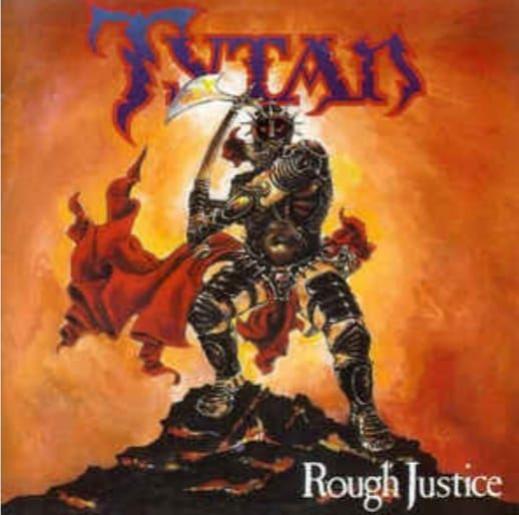
Tytan’s Spotify BioBorn from the ashes of New Wave of British Heavy Metal contenders Angel Witch, London, England's Tytan was cobbled together in the second half of 1981 by that first band's erstwhile rhythm section of bassist Kevin Riddles and drummer Dave DuFort, after they forged a partnership with Scottish-born singer Kal Swan and guitarists Steve Gibbs and Stuart Adams (soon to be replaced by ex-A II Z man Gary Owens and then ex-Lionheart member Steve Mann). Given their proven pedigree, Tytan quickly benefited from enthusiastic press interest, including an always coveted mention in Kerrang! Magazine and a Friday Rock Show session cut in early 1982, but they refused to circulate demos, expecting that press and word of mouth from their well-received live performances to carry them swiftly toward a major-label record company contract. But when this rather naïve expectation did not come to pass, impatience finally got the best of Tytan's memebership, which wound up signing with modest independent Kamafl…age and releasing its first single, "Blind Men and Fools", before year's end. At first, brisk sales and positive reviews of the band's edgy yet accessible heavy rock (reminiscent of Samson, Tygers of Pan Tang, and even early Def Leppard) seemed to suggest a bright future was guaranteed; but everything fell apart for Tytan shortly after the recording of their debut album, Rough Justice, in 1983. Even before the sessions got under way, drummer DuFort and the aforementioned Owens took their leave, and while the former's replacement by legendary Judas Priest percussionist Les Binks seemed like a win-win proposition (later on, future AC/DC and Dio man Simon Wright would also make an appearance), Kamaflage proceeded to go bankrupt before the album ever saw the light of day. This cast Tytan's career into a hopeless state of limbo as all company assets were sequestered by the courts, and so Rough Justice would not gain an official vinyl release until 1985 (and no compact disc release until 2004). By that time, the members of Tytan had long ago drifted apart and moved on to other endeavors, but both their talent and potential have definitely been retroactively vindicated by critics and fans alike, whatever that's worth in rock & roll. ~ Eduardo Rivadavia, Rovi
Viberate is a music analytics platform built for A&Rs, artist managers, labels, booking agents, marketers, and artists.
It helps music professionals track artist growth, analyze audience data, monitor playlist activity, compare artists, follow song performance, and identify opportunities across the music market.
Public artist pages provide a free preview of selected artist data. Paid plans provide access to deeper analytics, historical data, charts, comparisons, playlist tools, exports, alerts, reports, and additional professional features.
Yes. Public Viberate artist pages provide selected artist analytics and music data for free.
Viberate also offers a 7-day free trial of the full platform. A credit card is required to start the trial. The trial includes access to the complete product so users can test deeper artist analytics, historical views, playlist insights, comparisons, charts, exports, alerts, and reporting features before choosing a paid plan.
Viberate provides artist analytics across streaming, playlists, social media, video, radio airplay, songs, and audience markets.
Users can analyze Spotify performance, Spotify and Apple Music playlists, YouTube activity, TikTok and Instagram growth, radio spins, song performance, audience locations, demographics, rankings, and overall artist momentum.
Artist profiles also connect to music charts, similar artists, and comparison tools, helping users benchmark performance and evaluate artists in context.
Viberate updates key artist and track data daily.
For followed artists and tracks, selected data is refreshed multiple times per day. This helps teams monitor playlist changes, streaming movement, audience growth, releases, and campaign performance with more current data.
Update frequency can vary depending on the metric and data source.
Yes. Viberate lets users compare up to five artists side by side across streaming, social media, audience, and engagement metrics.
Users can compare fanbase growth, audience demographics, locations, Spotify performance, social metrics, and other artist data over selected time periods.
Artist comparison can be used for A&R scouting, benchmarking, booking decisions, campaign planning, and evaluating artists with similar audiences or market positions.