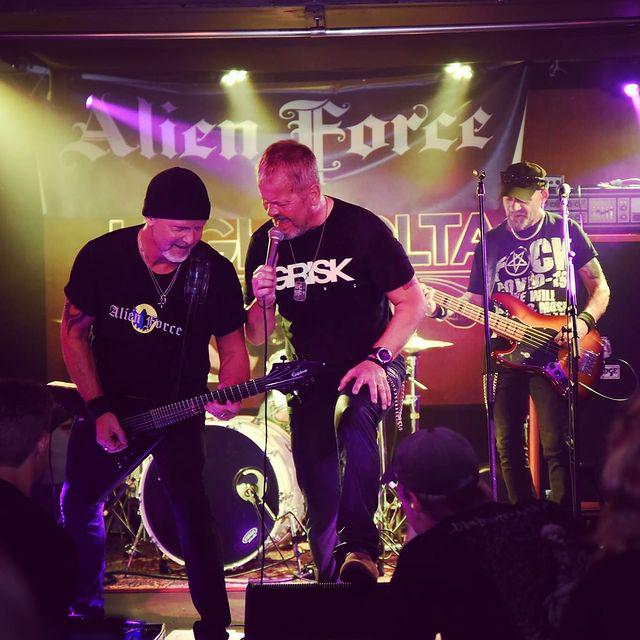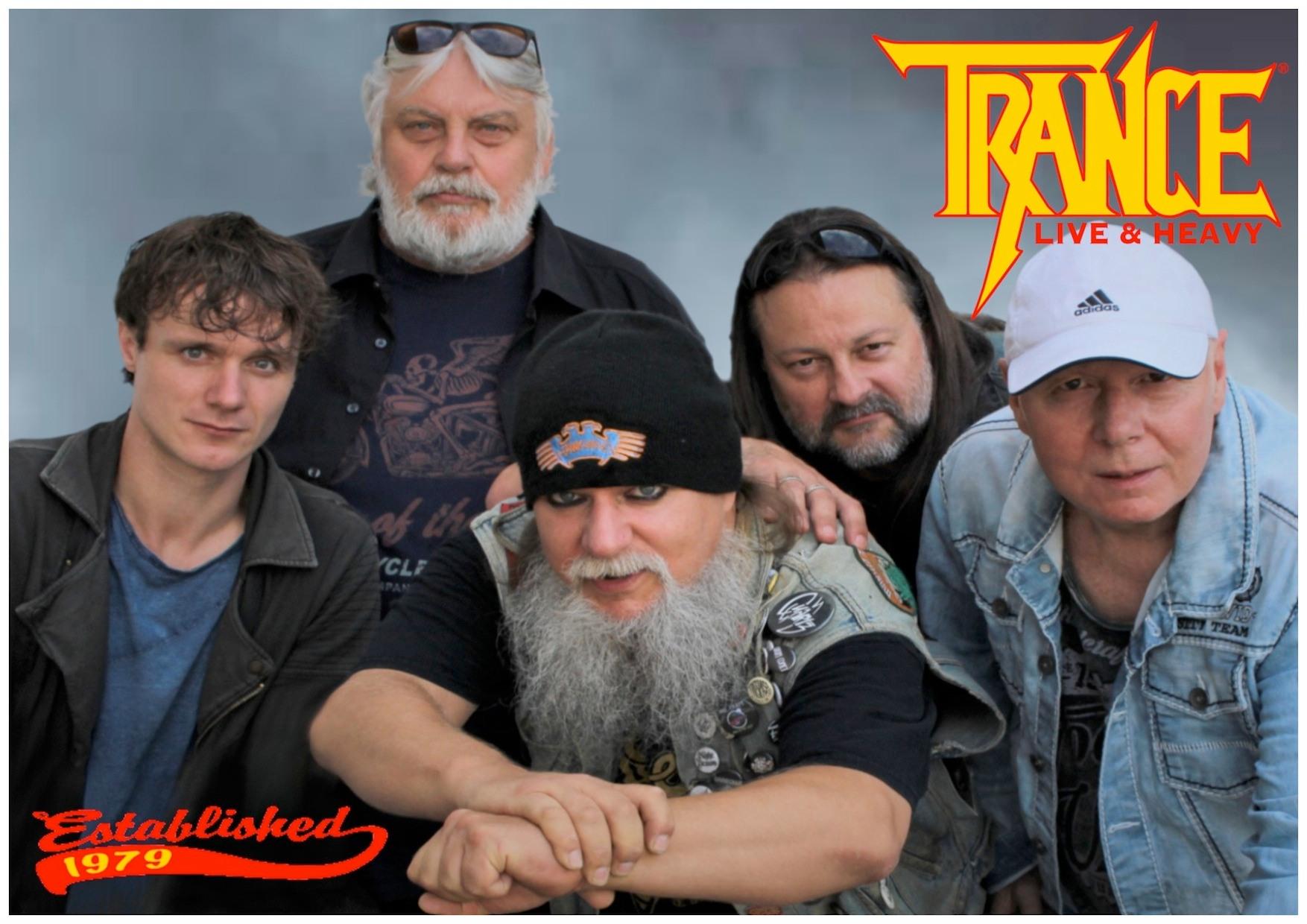
Trance

Rock
Hard Rock
Heavy Metal
 Viberate Rank: 260080
 Viberate Rank: 260080
 Monthly ListenersFollowers
 Subscribers
 Followers
 Followers
 FansTop Spotify Songs
| Track | 7-Day Streams | |
|---|---|---|
1 | 1.05K | |
2 | 903 | |
3 | 537 | |
4 | 284 | |
5 | 279 |
Top YouTube VideosMonthly ListenersFeatured in Playlists| Playlist | Followers | |
|---|---|---|
1 |  NWOBHM Classics 🔥🔥 Abdurahman Muuse | 10.80K |
2 |  Track Of The Day Rocknytt | 3.22K |
3 | Speed Metal Hell Peder Lundgren | 2.84K |
4 |  Eddie Munson and Billy Hargrove's Headbangers Ball Emily Louise 👽 | 2.79K |
5 | Munich city nights 1- 56 Carsten Heit | 2.52K |
Audience| City | Monthly Listeners | |
|---|---|---|
1 | | 294 |
2 |  | 253 |
3 | | 112 |
4 |  | 105 |
5 | | 104 |
See full performance history, audience data, playlist activity, rankings, comparisons, and more in Viberate music analytics. Start with a free trial, then continue with a paid plan.
Trance’s Spotify BioTRANCE, the legendary German band is back with their new album ‘Metal Forces’. Founded in 1974 from singer Lothar Antoni and guitarist Markus Berger as TRIBUT and changed the name into TRANCE in 1979. That’s when the journey began! They are one of the oldest Heavy Metal bands in Germany and established this style in Germany together with SCORPIONS and ACCEPT. Their first two records ‘Break Out’ (1981) and ‘Power Infusion’ (1982) marked their breakthrough in the German and Benelux market. After different management and business problems, they had to change their name for a short period into TRANCEMISSION, but in 1992 they could return with their original name and released their well-received album ‘Rockers’. In 1998 they called it quits. Through the years, guitarist Markus Becker was at a few shows of so-called cover bands and one of them played a few TRANCE songs. Markus was very surprised of the enthusiastic reactions of the fans and so he decided to give it another try. Together with… the old bandmates Jürgen Baum and Thomas Klein they reformed the ship in 2011, just to play a few shows here and there. After five more years, in 2016, the time was right to record a new album named ‘The Loser Strikes Back’, which was a homage to their biggest hit ‘Loser’ from 1981.
Viberate is a music analytics platform built for A&Rs, artist managers, labels, booking agents, marketers, and artists.
It helps music professionals track artist growth, analyze audience data, monitor playlist activity, compare artists, follow song performance, and identify opportunities across the music market.
Public artist pages provide a free preview of selected artist data. Paid plans provide access to deeper analytics, historical data, charts, comparisons, playlist tools, exports, alerts, reports, and additional professional features.
Yes. Public Viberate artist pages provide selected artist analytics and music data for free.
Viberate also offers a 7-day free trial of the full platform. A credit card is required to start the trial. The trial includes access to the complete product so users can test deeper artist analytics, historical views, playlist insights, comparisons, charts, exports, alerts, and reporting features before choosing a paid plan.
Viberate provides artist analytics across streaming, playlists, social media, video, radio airplay, songs, and audience markets.
Users can analyze Spotify performance, Spotify and Apple Music playlists, YouTube activity, TikTok and Instagram growth, radio spins, song performance, audience locations, demographics, rankings, and overall artist momentum.
Artist profiles also connect to music charts, similar artists, and comparison tools, helping users benchmark performance and evaluate artists in context.
Viberate updates key artist and track data daily.
For followed artists and tracks, selected data is refreshed multiple times per day. This helps teams monitor playlist changes, streaming movement, audience growth, releases, and campaign performance with more current data.
Update frequency can vary depending on the metric and data source.
Yes. Viberate lets users compare up to five artists side by side across streaming, social media, audience, and engagement metrics.
Users can compare fanbase growth, audience demographics, locations, Spotify performance, social metrics, and other artist data over selected time periods.
Artist comparison can be used for A&R scouting, benchmarking, booking decisions, campaign planning, and evaluating artists with similar audiences or market positions.