Grave

Metal
Alternative Metal
Death Metal
 Viberate Rank: 62628
 Viberate Rank: 62628
 Monthly ListenersFollowers
 Subscribers
 Followers
 Followers
 FansTop Spotify Songs
| Track | 7-Day Streams | |
|---|---|---|
1 | 7.21K | |
2 | 3.85K | |
3 | 3.31K | |
4 | 2.79K | |
5 | 1.32K |
Top YouTube VideosMonthly ListenersFeatured in Playlists| Playlist | Followers | |
|---|---|---|
1 |  Death Metal Classics @MansenSankari | 127.47K |
2 |  The Sound of Everything The Sounds of Spotify | 53.81K |
3 |  DEATH METAL TOP 100 True Metal Playlists | 36.92K |
4 | gokalaf | 33.45K |
5 | Metal🤘🏻 Naydil González | 16.46K |
Audience| City | Monthly Listeners | |
|---|---|---|
1 |  | 1.03K |
2 |  | 871 |
3 |  | 682 |
4 | | 401 |
5 |  | 399 |
See full performance history, audience data, playlist activity, rankings, comparisons, and more in Viberate music analytics. Start with a free trial, then continue with a paid plan.
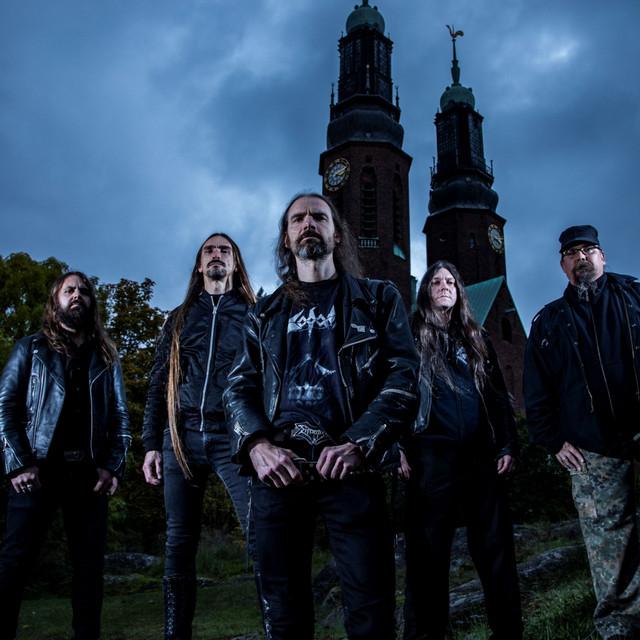
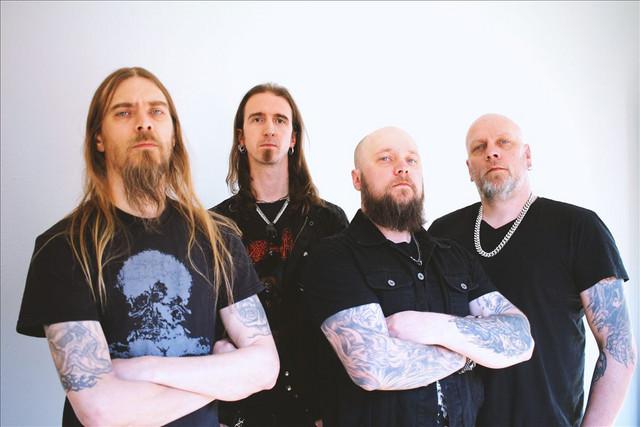
Grave’s Spotify BioEmerging from the Swedish death metal scene in the late '80s, Grave first made an impact upon their surroundings with the fittingly titled 1991 debut Into the Grave. Following with their second album, 1992's You'll Never See, the band's lineup remained, with Ola Lindgren on guitar, Jensa Paulsson on drums, and Jorgen Sandstrom on bass and vocals (or "growling" as the case may be). After release of the 1993 EP And Here I Die Satisfied, and their third album, 1994's Soulless, Lindgren took over on guitar and vocals after Sandstrom departed for Entombed in 1996. Later on that year, Grave's fourth full-length, Hating Life, was released, followed by the 1999 live album Extremely Rotten Live. The next two years saw the band go into free fall, but by 1999 the wheels had begun turning again and Grave hit the road and headed into the studio to lay down tracks for a new album. The resulting Back from the Grave was issued in 2002 via Century Media. 2004 saw the release of their sixth studio… long-player Fiendish Regression, but it also saw the departure of drummer Jensa Paulsson, who was replaced by Pelle Eckegren. The band's newfound penchant for prolificacy continued with As Rapture Comes, which dropped in 2007, followed by Dominion VIII (2008), Burial Ground (2010), Endless Procession of Souls (2012), and Out of Respect for the Dead (2015). ~ Mike DaRonco, Rovi
Viberate is a music analytics platform built for A&Rs, artist managers, labels, booking agents, marketers, and artists.
It helps music professionals track artist growth, analyze audience data, monitor playlist activity, compare artists, follow song performance, and identify opportunities across the music market.
Public artist pages provide a free preview of selected artist data. Paid plans provide access to deeper analytics, historical data, charts, comparisons, playlist tools, exports, alerts, reports, and additional professional features.
Yes. Public Viberate artist pages provide selected artist analytics and music data for free.
Viberate also offers a 7-day free trial of the full platform. A credit card is required to start the trial. The trial includes access to the complete product so users can test deeper artist analytics, historical views, playlist insights, comparisons, charts, exports, alerts, and reporting features before choosing a paid plan.
Viberate provides artist analytics across streaming, playlists, social media, video, radio airplay, songs, and audience markets.
Users can analyze Spotify performance, Spotify and Apple Music playlists, YouTube activity, TikTok and Instagram growth, radio spins, song performance, audience locations, demographics, rankings, and overall artist momentum.
Artist profiles also connect to music charts, similar artists, and comparison tools, helping users benchmark performance and evaluate artists in context.
Viberate updates key artist and track data daily.
For followed artists and tracks, selected data is refreshed multiple times per day. This helps teams monitor playlist changes, streaming movement, audience growth, releases, and campaign performance with more current data.
Update frequency can vary depending on the metric and data source.
Yes. Viberate lets users compare up to five artists side by side across streaming, social media, audience, and engagement metrics.
Users can compare fanbase growth, audience demographics, locations, Spotify performance, social metrics, and other artist data over selected time periods.
Artist comparison can be used for A&R scouting, benchmarking, booking decisions, campaign planning, and evaluating artists with similar audiences or market positions.