Malevolent Creation

Metal
Death Metal
Progressive Metal
 Viberate Rank: 60762
 Viberate Rank: 60762
 Monthly ListenersFollowers
 Subscribers
 Followers
 Followers
 FansTop Spotify Songs
| Track | 7-Day Streams | |
|---|---|---|
1 | 10.26K | |
2 | 7.26K | |
3 | 3.70K | |
4 | 3.53K | |
5 | 2.35K |
Top YouTube Videos| Video | 7-Day Views | |
|---|---|---|
1 | 403 | |
2 | 253 | |
3 | 120 | |
4 | 120 | |
5 | 109 |
Monthly ListenersFeatured in Playlists| Playlist | Followers | |
|---|---|---|
1 |  Brutal Death Metal firatkaya90 | 170.40K |
2 |  Death Metal Classics @MansenSankari | 127.50K |
3 |  DEATH METAL TOP 100 True Metal Playlists | 36.92K |
4 | Metal🤘🏻 Naydil González | 16.45K |
5 |  Heavy Metal Instrumentals 🎸 JaviFlames | 13.79K |
Audience| City | Monthly Listeners | |
|---|---|---|
1 |  | 1.76K |
2 |  | 928 |
3 |  | 862 |
4 |  | 833 |
5 | | 636 |
See full performance history, audience data, playlist activity, rankings, comparisons, and more in Viberate music analytics. Start with a free trial, then continue with a paid plan.
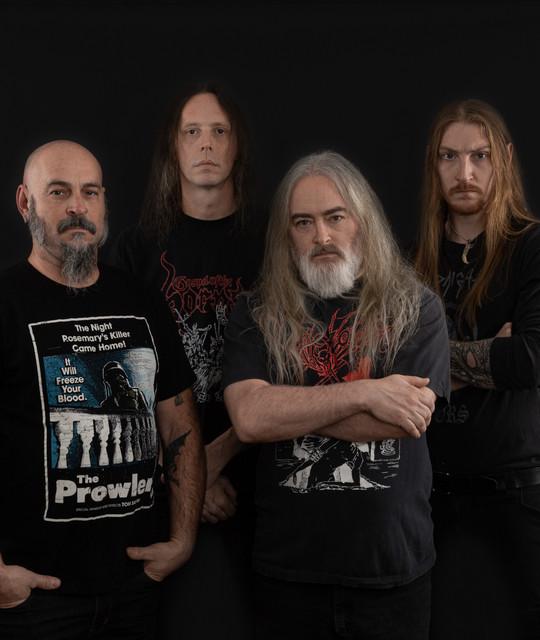
Malevolent Creation’s Spotify BioArising from the heavy metal hotbed of Florida in the early '90s (but originally from Buffalo, New York), Malevolent Creation helped define the sound and style of American death metal. After issuing their seminal 1991 debut, the gore-soaked Ten Commandments, the band underwent some personnel and stylistic changes, moving toward a more progressive, technical death metal sound that they continued to mine on subsequent outings like Eternal (1995), Warkult (2004), Invidious Dominion (2010), and The 13th Beast (2019).
Initially inspired by the sonic and lyrical extremity of Slayer, the group landed a deal with Roadrunner Records at the dawn of the '90s, featuring a lineup of vocalist Brett Hoffmann, guitarists Phil Fasciana and Jeff Juskiewicz, bassist Jason Blachowicz, and drummer Mark Simpson. Their 1991 debut album, The Ten Commandments, became something of a landmark in the death metal underground, expanding on the early work of Slayer and fellow Floridians Death. Its sequel, 1992's… Retribution, was just as strong, featuring two new members added from Solstice -- guitarist Rob Barrett (who replaced Juskiewicz) and drummer Alex Marquez. Barrett and Marquez were replaced by John Rubin (who had been in a very early lineup of the band) and "Crazy" Larry Hawke for 1993's Stillborn, which disappointed many of the group's faithful and signaled an acrimonious end to their relationship with Roadrunner.
Those label difficulties nearly broke Malevolent Creation apart, but they eventually resurfaced on Pavement Music with a more progressive, technical approach and a revamped lineup on 1995's Eternal. Hoffmann was gone, with the vocals now handled by bassist Blachowicz, while guitarists Fasciana and Rubin were joined by ex-Suffocation drummer Dave Culross. The remixes/outtakes/demos collection Joe Black appeared in 1996, followed the next year by In Cold Blood, which featured guitarist John Paul Soars taking Rubin's place, and drummer Derek Roddy replacing Culross. For 1998's The Fine Art of Murder, Fasciana (now doubling on keyboards) brought vocalist Hoffmann, guitarist Barrett, and drummer Culross back to the fold, along with new bassist Gordon Simms. The Pavement label retrospective Manifestation appeared in 2000, followed near the end of the year by the all-new Envenomed. The sequel to Envenomed came out two years later, followed a few months afterward by drummer Justin DiPinto's last album with the group, The Will to Kill. The band continued to stay productive, releasing Warkult in 2004 and Doomsday X in 2007. In 2010, Malevolent Creation released their 11th studio album, Invidious Dominion. In 2014, they inked an international record deal with Century Media, and in 2015, released their first studio album for the label, Dead Man's Path. Sadly, it would be the last Malevolent Creation outing for Hoffmann, who left the fold the following year and subsequently passed away in 2018 from complications stemming from colon cancer. In January 2019, the group issued their 13th studio LP, The 13th Beast, with a lineup consisting of Phil Cancilla (drums), Josh Gibbs (bass), Phil Fasciana (guitar), and new vocalist/guitarist Lee Wollenschlaeger. ~ Steve Huey, Rovi
Viberate is a music analytics platform built for A&Rs, artist managers, labels, booking agents, marketers, and artists.
It helps music professionals track artist growth, analyze audience data, monitor playlist activity, compare artists, follow song performance, and identify opportunities across the music market.
Public artist pages provide a free preview of selected artist data. Paid plans provide access to deeper analytics, historical data, charts, comparisons, playlist tools, exports, alerts, reports, and additional professional features.
Yes. Public Viberate artist pages provide selected artist analytics and music data for free.
Viberate also offers a 7-day free trial of the full platform. A credit card is required to start the trial. The trial includes access to the complete product so users can test deeper artist analytics, historical views, playlist insights, comparisons, charts, exports, alerts, and reporting features before choosing a paid plan.
Viberate provides artist analytics across streaming, playlists, social media, video, radio airplay, songs, and audience markets.
Users can analyze Spotify performance, Spotify and Apple Music playlists, YouTube activity, TikTok and Instagram growth, radio spins, song performance, audience locations, demographics, rankings, and overall artist momentum.
Artist profiles also connect to music charts, similar artists, and comparison tools, helping users benchmark performance and evaluate artists in context.
Viberate updates key artist and track data daily.
For followed artists and tracks, selected data is refreshed multiple times per day. This helps teams monitor playlist changes, streaming movement, audience growth, releases, and campaign performance with more current data.
Update frequency can vary depending on the metric and data source.
Yes. Viberate lets users compare up to five artists side by side across streaming, social media, audience, and engagement metrics.
Users can compare fanbase growth, audience demographics, locations, Spotify performance, social metrics, and other artist data over selected time periods.
Artist comparison can be used for A&R scouting, benchmarking, booking decisions, campaign planning, and evaluating artists with similar audiences or market positions.