Dismember

Metal
Death Metal
 Viberate Rank: 54570
 Viberate Rank: 54570
 Monthly ListenersFollowers
 Subscribers
 Followers
 Followers
 FansTop Spotify Songs
| Track | 7-Day Streams | |
|---|---|---|
1 | 19.59K | |
2 | 6.93K | |
3 | 5.83K | |
4 | 5.51K | |
5 | 5.37K |
Top YouTube Videos| Video | 7-Day Views | |
|---|---|---|
1 | 9 | |
2 | 6 | |
3 | 2 |
Monthly ListenersFeatured in Playlists| Playlist | Followers | |
|---|---|---|
1 |  Death Metal Classics @MansenSankari | 127.47K |
2 |  DEATH METAL TOP 100 True Metal Playlists | 36.92K |
3 | Reddit's Hype Playlist kfbest | 27.36K |
4 |  Metal Instrumentals Samidhya Sarker Torsho | 18.16K |
5 | Metal🤘🏻 Naydil González | 16.46K |
Audience| City | Monthly Listeners | |
|---|---|---|
1 |  | 2.65K |
2 |  | 1.61K |
3 |  | 1.33K |
4 |  | 1.32K |
5 | | 1.18K |
See full performance history, audience data, playlist activity, rankings, comparisons, and more in Viberate music analytics. Start with a free trial, then continue with a paid plan.
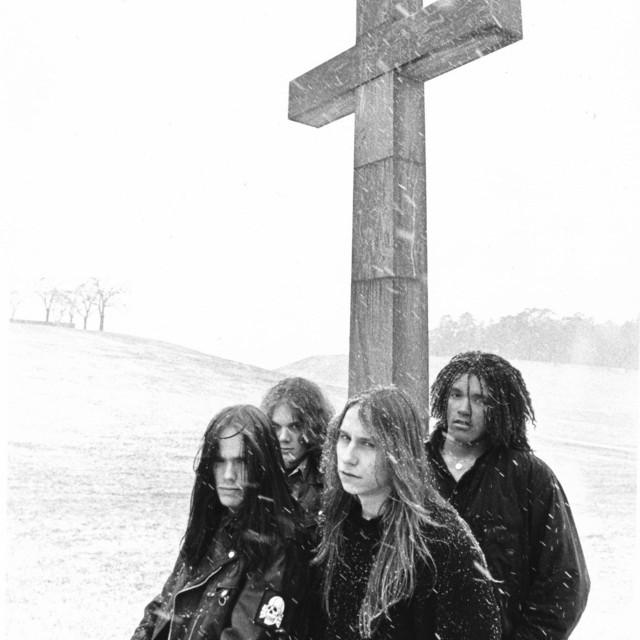
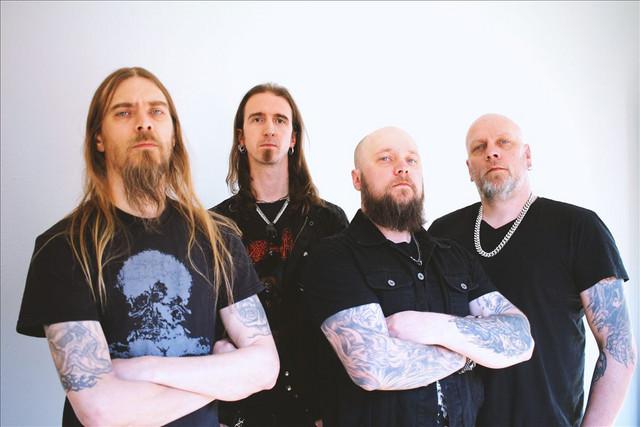
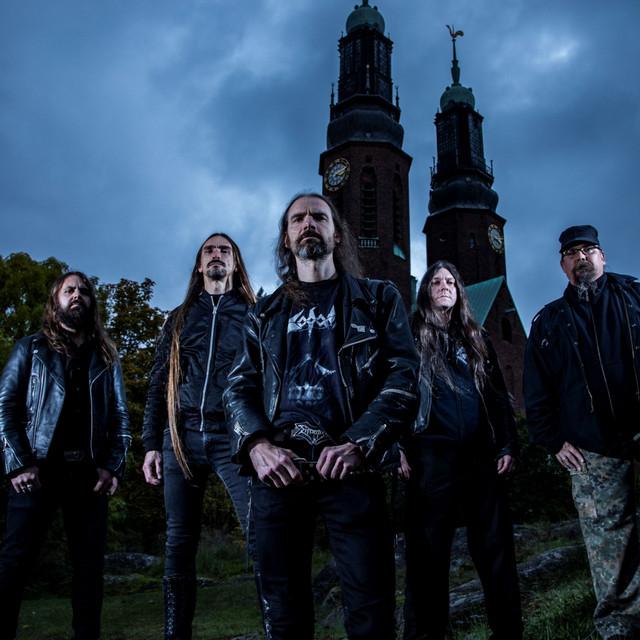
Dismember’s Spotify BioLongtime proponents of the grinding, powerful sound of no-frills Swedish death metal, Dismember was originally formed in Stockholm in 1988 as a power trio featuring vocalist/bassist Robert Sennebäck, guitarist David Blomqvist, and drummer Fred Estby. The group recorded a couple of demo tapes, but went on hiatus in late 1989 when Estby left to join Carnage; Blomqvist played with Entombed as a bassist, then joined Carnage as a second guitarist during the recording of their 1991 debut. However, Carnage imploded when guitarist Michael Amott departed to join Carcass, so Blomqvist, Estby, and Carnage vocalist Matti Karki reconvened Dismember and recorded a demo early in 1991. Sennebäck returned a short time later, and new bassist Richard Cabeza (formerly of Carbonized) was also added to the lineup. Dismember signed with Nuclear Blast and issued their debut album, Like an Ever Flowing Stream, in May 1991. The band toured heavily behind the record, also releasing a five-track EP titled Pieces… in 1992; that same year, Dismember successfully defended themselves from an obscenity charge in the U.K. stemming from the song "Skin Her Alive." The experience informed the graphic Indecent and Obscene, which was released in 1993 and displayed a partial move toward melodicism, although Dismember's sound still echoed the unearthly heaviness of early Entombed. 1995's Massive Killing Capacity continued to refine the group's style, and helped make the band more visible in the death metal underground. 1997's Death Metal made clear that Dismember's basic Swedish death sound wasn't going to be altered all that much. Cabeza left the band before the recording of 2000's Hate Campaign, which featured Mercyful Fate bassist Sharlee D'Angelo. ~ Steve Huey, Rovi
Viberate is a music analytics platform built for A&Rs, artist managers, labels, booking agents, marketers, and artists.
It helps music professionals track artist growth, analyze audience data, monitor playlist activity, compare artists, follow song performance, and identify opportunities across the music market.
Public artist pages provide a free preview of selected artist data. Paid plans provide access to deeper analytics, historical data, charts, comparisons, playlist tools, exports, alerts, reports, and additional professional features.
Yes. Public Viberate artist pages provide selected artist analytics and music data for free.
Viberate also offers a 7-day free trial of the full platform. A credit card is required to start the trial. The trial includes access to the complete product so users can test deeper artist analytics, historical views, playlist insights, comparisons, charts, exports, alerts, and reporting features before choosing a paid plan.
Viberate provides artist analytics across streaming, playlists, social media, video, radio airplay, songs, and audience markets.
Users can analyze Spotify performance, Spotify and Apple Music playlists, YouTube activity, TikTok and Instagram growth, radio spins, song performance, audience locations, demographics, rankings, and overall artist momentum.
Artist profiles also connect to music charts, similar artists, and comparison tools, helping users benchmark performance and evaluate artists in context.
Viberate updates key artist and track data daily.
For followed artists and tracks, selected data is refreshed multiple times per day. This helps teams monitor playlist changes, streaming movement, audience growth, releases, and campaign performance with more current data.
Update frequency can vary depending on the metric and data source.
Yes. Viberate lets users compare up to five artists side by side across streaming, social media, audience, and engagement metrics.
Users can compare fanbase growth, audience demographics, locations, Spotify performance, social metrics, and other artist data over selected time periods.
Artist comparison can be used for A&R scouting, benchmarking, booking decisions, campaign planning, and evaluating artists with similar audiences or market positions.