Good Riddance

Punk
Punk Rock
Skate Punk
Hardstyle/Hardcore
 Viberate Rank: 61535
 Viberate Rank: 61535
 Monthly ListenersFollowers
 Subscribers
 Followers
 Followers
 FansTop Spotify Songs
| Track | 7-Day Streams | |
|---|---|---|
1 | 15.69K | |
2 | 15.42K | |
3 | 13.37K | |
4 | 11.39K | |
5 | 9.40K |
Top YouTube VideosMonthly ListenersFeatured in Playlists| Playlist | Followers | |
|---|---|---|
1 |  Modern Rock Playlist Pop | 37.79K |
2 |  Watch Dogs 2 PlayStation®️ | 33.73K |
3 |  Watch Dogs Complete Music | Official Playlist Ubisoft Music | 26.88K |
4 |  Tony Hawk's American Wasteland (2005) ジュリアーノ 64 | 22.28K |
5 | Rockers workout Chris Dial | 21.55K |
Audience| City | Monthly Listeners | |
|---|---|---|
1 |  | 4.48K |
2 | | 1.88K |
3 |  | 1.86K |
4 |  | 1.86K |
5 | | 1.75K |
See full performance history, audience data, playlist activity, rankings, comparisons, and more in Viberate music analytics. Start with a free trial, then continue with a paid plan.
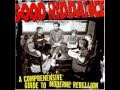
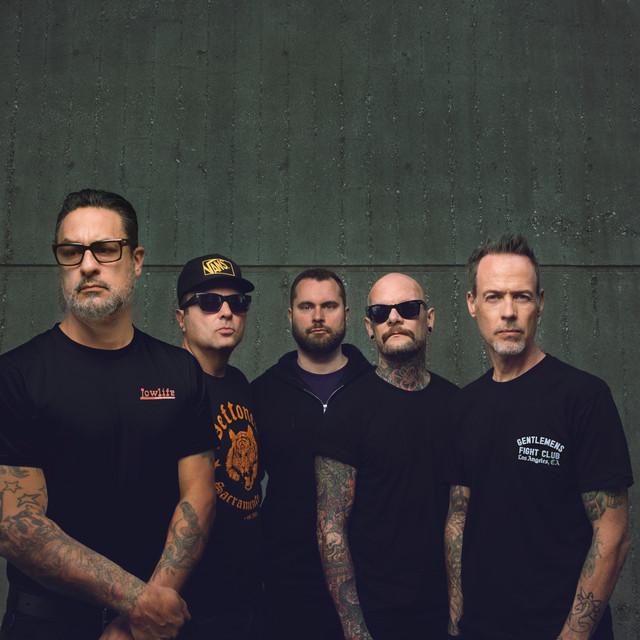
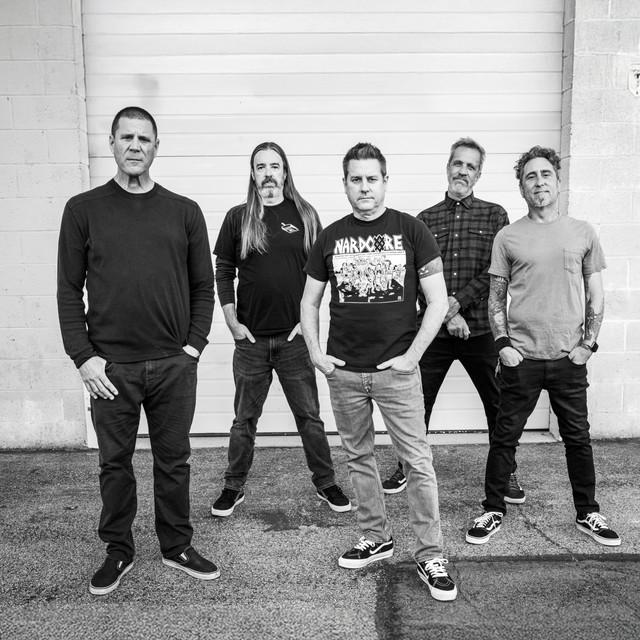
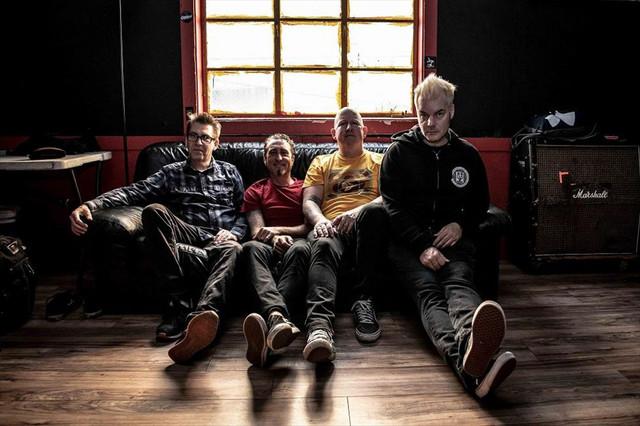
Good Riddance’s Spotify BioGood Riddance is a politically and socially charged melodic hardcore punk band from Santa Cruz, California. Emerging in 1986 and led by fiery straight-edge vocalist Russ Rankin, the band's longtime lineup has included guitarist Luke Pabich, bassist Chuck Platt, and drummer Sean "SC" Sellers. Beginning with 1995's For God and Country, the band carved out a respectable swath of sonic territory via standout outings like A Comprehensive Guide to Moderne Rebellion (1986) and Ballads from the Revolution (1998), before calling it quits in 2007. They reformed in 2012 and went on to issue a pair of well-received comeback albums in Peace In Our Time (2015) and Thoughts and Prayers (2019).
Although it was formed in 1986 by ex-Fury 66 member Rankin as a voice for his political frustrations and protests, the band did not gel until Pabich's arrival. In 1990, they released their first 7", Gidget, on Little Deputy Records. Good Riddance was eventually discovered by NOFX bassist and Fat Wreck Chords own…er Fat Mike. After recruiting Platt, the band produced the powerful For God and Country, which was released in 1995. Their place as a top seller in Fat Wreck's lineup established, the band went on to produce the remarkable 1996 release A Comprehensive Guide to Moderne Rebellion. Playing off of their strong antiwar and straight-edge attitudes, Good Riddance cultivated a large following in the punk community. During the summer of 1996 and most of 1997, Good Riddance toured the U.S. and much of Europe with such headliners as Sick of It All, No Use for a Name, and Propagandhi.
Confident with the stability of their career, Good Riddance went back to the studios to record the 1998 album Ballads from the Revolution. Seeing the band's music as a way to reach people with his message, Rankin packaged the LP with an eloquent essay. Although certainly not the first band to do such a thing, Good Riddance stepped outside of the new-school punk format and hearkened back to the days of early protest punk. In early 1999, the band released their fourth album, Operation Phoenix; however, Sellers departed late that year.
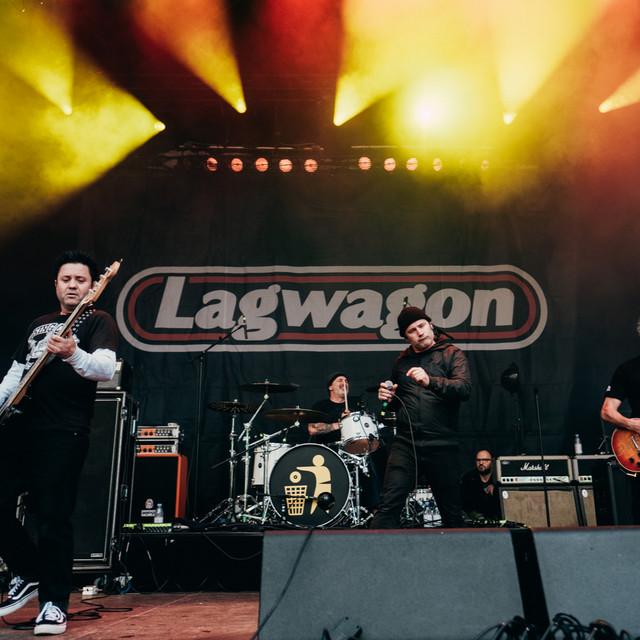
Good Riddance continued to tour with other Fat Wreck Chords artists, initially recruiting Lagwagon's Dave Raun as a temporary fill-in for Sellers. Raun played on the mid-2000 EP The Phenomenon of Craving before former Kid Dynamite drummer Dave Wagenschutz officially joined the band. The following year, the band released Symptoms of a Leveling Spirit. A split disc with Kill Your Idols preceded an all covers album, Cover Ups, featuring versions of classics from Black Flag and the Psychedelic Furs.
Good Riddance returned to all-original material in 2003 with the furious social, political, and personal hardcore rants of Bound by Ties of Blood and Affection. A two-week European tour was completed in early 2006 before the band's seventh full-length, My Republic, appeared that summer, featuring Sellers back behind the Good Riddance drum kit. As members of the band became increasingly busy with outside commitments and family, it became harder for them to tour with the same frequency as they (and their fans) were used to. This fact coupled with the changing musical climate away from their brand of hardcore, causing Good Riddance to ultimately decide to call it a day in 2007, so that they could "walk away from this with a degree of grace and dignity," instead of just fading away. A trio of California shows over Memorial Day weekend subsequently became the band's last stands. Remain in Memory: The Final Show was released in March 2008.
In 2012 Rankin, Pabich, Platt, and Sellers announced that the band would be re-forming and performing at the Leeds and Reading festival. They spent the next two years putting together a new studio album, the hard-hitting and topical Peace in Our Time, which was released in 2015. The combustive political climate of 2019 helped make the band's ninth studio long-player, Thoughts and Prayers, a particularly potent outing. ~ David Cornelius, Rovi
Viberate is a music analytics platform built for A&Rs, artist managers, labels, booking agents, marketers, and artists.
It helps music professionals track artist growth, analyze audience data, monitor playlist activity, compare artists, follow song performance, and identify opportunities across the music market.
Public artist pages provide a free preview of selected artist data. Paid plans provide access to deeper analytics, historical data, charts, comparisons, playlist tools, exports, alerts, reports, and additional professional features.
Yes. Public Viberate artist pages provide selected artist analytics and music data for free.
Viberate also offers a 7-day free trial of the full platform. A credit card is required to start the trial. The trial includes access to the complete product so users can test deeper artist analytics, historical views, playlist insights, comparisons, charts, exports, alerts, and reporting features before choosing a paid plan.
Viberate provides artist analytics across streaming, playlists, social media, video, radio airplay, songs, and audience markets.
Users can analyze Spotify performance, Spotify and Apple Music playlists, YouTube activity, TikTok and Instagram growth, radio spins, song performance, audience locations, demographics, rankings, and overall artist momentum.
Artist profiles also connect to music charts, similar artists, and comparison tools, helping users benchmark performance and evaluate artists in context.
Viberate updates key artist and track data daily.
For followed artists and tracks, selected data is refreshed multiple times per day. This helps teams monitor playlist changes, streaming movement, audience growth, releases, and campaign performance with more current data.
Update frequency can vary depending on the metric and data source.
Yes. Viberate lets users compare up to five artists side by side across streaming, social media, audience, and engagement metrics.
Users can compare fanbase growth, audience demographics, locations, Spotify performance, social metrics, and other artist data over selected time periods.
Artist comparison can be used for A&R scouting, benchmarking, booking decisions, campaign planning, and evaluating artists with similar audiences or market positions.