Dillinger Four

Punk
Punk Rock
Skate Punk
 Viberate Rank: 127360
 Viberate Rank: 127360
 Monthly ListenersFollowers
 Subscribers
 Followers
 Followers
 FansTop Spotify Songs
| Track | 7-Day Streams | |
|---|---|---|
1 | 8.20K | |
2 | 5.11K | |
3 | 3.80K | |
4 | 3.45K | |
5 | 3.26K |
Top YouTube VideosMonthly ListenersFeatured in Playlists| Playlist | Followers | |
|---|---|---|
1 |  WonkoFM WonkoTheSane | 21.06K |
2 |  The Evolution of Punk (In Chronological Order) kingfirley | 16.18K |
3 | The ULTIMATE Skate Punk and Punk Rock Playlist Pizza with Film | 12.95K |
4 | POPPUNK Kevin McLaughlin | 8.53K |
5 | Fat Wreck Chords dcis2cool | 6.32K |
Audience| City | Monthly Listeners | |
|---|---|---|
1 | | 1.20K |
2 | | 791 |
3 | | 751 |
4 | | 738 |
5 |  | 708 |
See full performance history, audience data, playlist activity, rankings, comparisons, and more in Viberate music analytics. Start with a free trial, then continue with a paid plan.
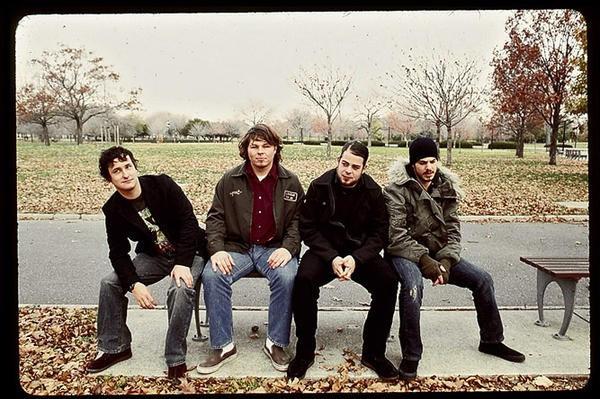
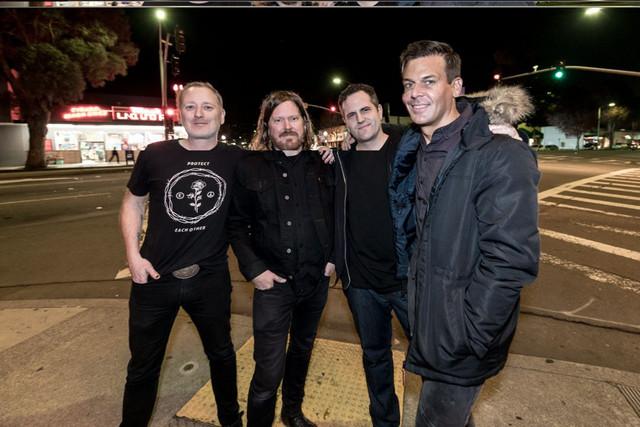
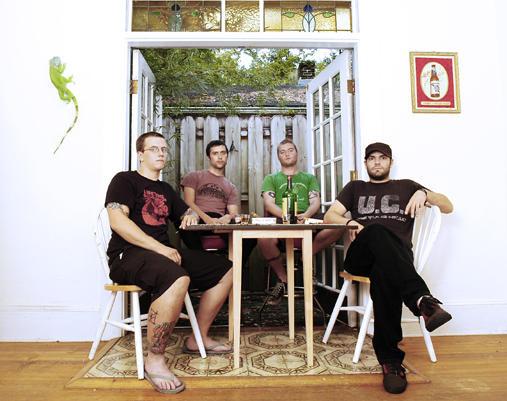
Dillinger Four’s Spotify BioSt. Paul, MN-based punk group Dillinger Four were formed in 1994 by guitarist Erik Funk and bassist Patrick Costello; the group's original line-up, also including guitarist Sloan and drummer Lane Pedersen, held together long enough to record the debut 7" Higher Aspirations: Tempered and Dismantled before Sloan exited to join Man Afraid. After recruiting ex-Scooby Don't guitarist Bill Morrisette, Dillinger Four resurfaced in 1996 with the EP The Kids Are All Dead; a split single with fellow Twin Cities band the Strike followed a year later, as did a series of compilation appearances. This Shit is Genius, a collection of songs taken from compilations and various other releases, came out in 1999 on No Idea.
After signing to Hopeless, Dillinger Four issued their full-length debut, Midwestern Songs of the Americas, in 1998; Versus God appeared two years later. Tour dates around the world followed, including a stint in Japan for the first time, traveling with Green Day. Their third… full-length release, Situationist Comedy, was released in the summer of 2002 on Fat Wreck. First Avenue Live, recorded on December 16, 2001, at First Avenue in Minneapolis, was issued on LSD Records in February 2005. The end of the year found the guys with a slot at Gainesville's fourth annual The Fest, playing alongside bands like Ted Leo, Against Me!, Bouncing Souls, and a reunited Radon. Funk also co-owns the popular Minneapolis bar and music venue, the Triple Rock Social Club. ~ Jason Ankeny, Rovi
Viberate is a music analytics platform built for A&Rs, artist managers, labels, booking agents, marketers, and artists.
It helps music professionals track artist growth, analyze audience data, monitor playlist activity, compare artists, follow song performance, and identify opportunities across the music market.
Public artist pages provide a free preview of selected artist data. Paid plans provide access to deeper analytics, historical data, charts, comparisons, playlist tools, exports, alerts, reports, and additional professional features.
Yes. Public Viberate artist pages provide selected artist analytics and music data for free.
Viberate also offers a 7-day free trial of the full platform. A credit card is required to start the trial. The trial includes access to the complete product so users can test deeper artist analytics, historical views, playlist insights, comparisons, charts, exports, alerts, and reporting features before choosing a paid plan.
Viberate provides artist analytics across streaming, playlists, social media, video, radio airplay, songs, and audience markets.
Users can analyze Spotify performance, Spotify and Apple Music playlists, YouTube activity, TikTok and Instagram growth, radio spins, song performance, audience locations, demographics, rankings, and overall artist momentum.
Artist profiles also connect to music charts, similar artists, and comparison tools, helping users benchmark performance and evaluate artists in context.
Viberate updates key artist and track data daily.
For followed artists and tracks, selected data is refreshed multiple times per day. This helps teams monitor playlist changes, streaming movement, audience growth, releases, and campaign performance with more current data.
Update frequency can vary depending on the metric and data source.
Yes. Viberate lets users compare up to five artists side by side across streaming, social media, audience, and engagement metrics.
Users can compare fanbase growth, audience demographics, locations, Spotify performance, social metrics, and other artist data over selected time periods.
Artist comparison can be used for A&R scouting, benchmarking, booking decisions, campaign planning, and evaluating artists with similar audiences or market positions.