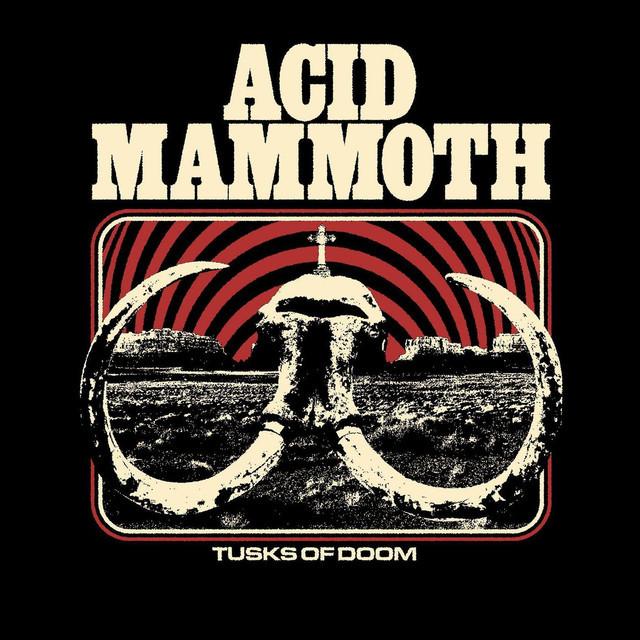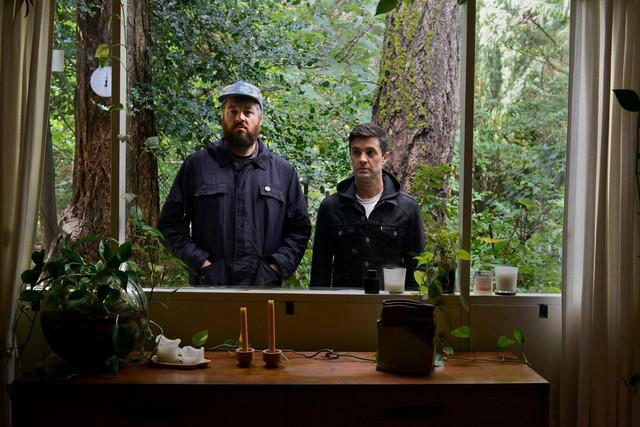
Goblin Cock

Metal
Alternative Metal
Doom/Sludge Metal
 Viberate Rank: 206427
 Viberate Rank: 206427
 Monthly ListenersFollowers
 Subscribers
 Followers
 Followers
 FansTop Spotify Songs
| Track | 7-Day Streams | |
|---|---|---|
1 | 2.17K | |
2 | 1.19K | |
3 | 1.19K | |
4 | 961 | |
5 | 751 |
Top YouTube VideosMonthly ListenersFeatured in Playlists| Playlist | Followers | |
|---|---|---|
1 |  Stoner Metal The Brick | 21.40K |
2 | All Of It onelittleworld | 2.39K |
3 | STONER ROCK Records with Roger | 2.08K |
4 |  Stoner Rock: Fuzzy, Not Fuzzy, and Everything In Between Evan E. | 2.05K |
5 |  Underground Metal Ryden | 1.85K |
Audience| City | Monthly Listeners | |
|---|---|---|
1 | | 257 |
2 | | 183 |
3 | | 171 |
4 | | 170 |
5 |  | 164 |
See full performance history, audience data, playlist activity, rankings, comparisons, and more in Viberate music analytics. Start with a free trial, then continue with a paid plan.
Goblin Cock’s Spotify BioYet another side project of the ever prolific Rob Crow (Pinback, Heavy Vegetable, Thingy, Alpha Males, Other Men, Optiganally Yours, Physics, the Ladies, Fantasy Mission Force, Snotnose, Advertising, Remote Action Sequence Project, Cthugha, and Altron Tube), Goblin Cock show off Crow's penchant for metal and comic book fantasy. Disguised in cloaks and shrouded in an element of mystery and irony, the full band roster is difficult to deduce since they're simply referred to as Lord Phallus, Bane Ass-Pounder, King Sith Braindeath, and Loki Sinjuggler. When the band's debut, Bagged and Boarded, was released on Absolutely Kosher Records in 2005, it harbored attention quickly due to an X-rated cover that featured a goblin exposing his member, illustrated by Magic and Star Wars comic book artist Mike Sutfin. The album earned three nominations for Plug Awards, and following a short tour and duties with Pinback, Crow and the gang readied a second album, Come with Me If You Want to Live. The… sequel was released in January of 2009, just as GC went on the road for the Cock Across America Tour. The ensuing years saw Crow tending to his myriad other projects, but in 2016, he returned to Goblin Cock fold and issued the band's much anticipated third studio album, Necronomidonkeykongimicon. ~ Jason Lymangrover, Rovi
Viberate is a music analytics platform built for A&Rs, artist managers, labels, booking agents, marketers, and artists.
It helps music professionals track artist growth, analyze audience data, monitor playlist activity, compare artists, follow song performance, and identify opportunities across the music market.
Public artist pages provide a free preview of selected artist data. Paid plans provide access to deeper analytics, historical data, charts, comparisons, playlist tools, exports, alerts, reports, and additional professional features.
Yes. Public Viberate artist pages provide selected artist analytics and music data for free.
Viberate also offers a 7-day free trial of the full platform. A credit card is required to start the trial. The trial includes access to the complete product so users can test deeper artist analytics, historical views, playlist insights, comparisons, charts, exports, alerts, and reporting features before choosing a paid plan.
Viberate provides artist analytics across streaming, playlists, social media, video, radio airplay, songs, and audience markets.
Users can analyze Spotify performance, Spotify and Apple Music playlists, YouTube activity, TikTok and Instagram growth, radio spins, song performance, audience locations, demographics, rankings, and overall artist momentum.
Artist profiles also connect to music charts, similar artists, and comparison tools, helping users benchmark performance and evaluate artists in context.
Viberate updates key artist and track data daily.
For followed artists and tracks, selected data is refreshed multiple times per day. This helps teams monitor playlist changes, streaming movement, audience growth, releases, and campaign performance with more current data.
Update frequency can vary depending on the metric and data source.
Yes. Viberate lets users compare up to five artists side by side across streaming, social media, audience, and engagement metrics.
Users can compare fanbase growth, audience demographics, locations, Spotify performance, social metrics, and other artist data over selected time periods.
Artist comparison can be used for A&R scouting, benchmarking, booking decisions, campaign planning, and evaluating artists with similar audiences or market positions.