Gary Taylor

R&B
Soul
 Viberate Rank: 109120
 Viberate Rank: 109120
 Monthly ListenersFollowers
 Subscribers
 Followers
 Followers
 FansTop Spotify Songs
| Track | 7-Day Streams | |
|---|---|---|
1 | 24.34K | |
2 | 4.92K | |
3 | 4.21K | |
4 | 1.35K | |
5 | 1.18K |
Top YouTube Videos| Video | 7-Day Views | |
|---|---|---|
1 | 576 | |
2 | 490 | |
3 | 157 | |
4 | 44 | |
5 | 32 |
Monthly ListenersFeatured in Playlists| Playlist | Followers | |
|---|---|---|
1 | Sunday Soul Session [Sunday belongs to lovers] Sithandiwedlamini | 181.31K |
2 | RnB & soul❤️🤧 LWAZI | 65.23K |
3 | Sundays are for lovers ❤️❤️❤️❤️💯🔥😍 Tholwana Thubela | 22.99K |
4 |  New Age Music Channel Albert Sater | 22.99K |
5 |  Slow Jams RNB RADAR | 21.48K |
Audience| City | Monthly Listeners | |
|---|---|---|
1 |  | 30.83K |
2 | | 18.17K |
3 | | 7.84K |
4 | | 3.69K |
5 | | 1.38K |
See full performance history, audience data, playlist activity, rankings, comparisons, and more in Viberate music analytics. Start with a free trial, then continue with a paid plan.
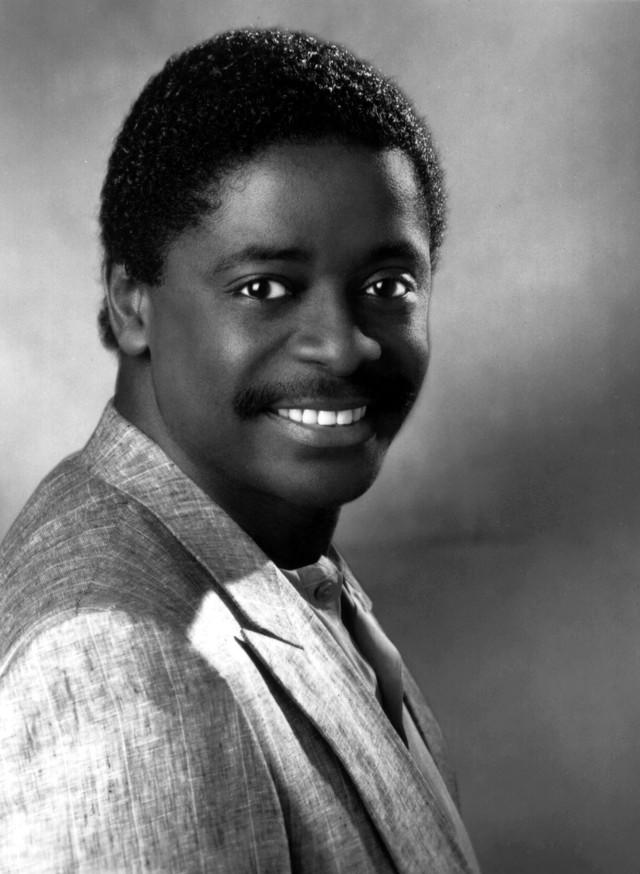
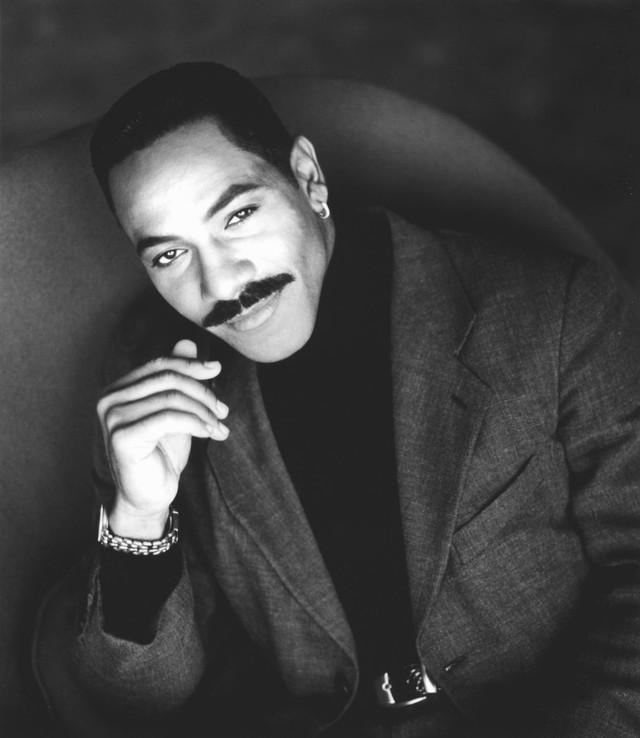
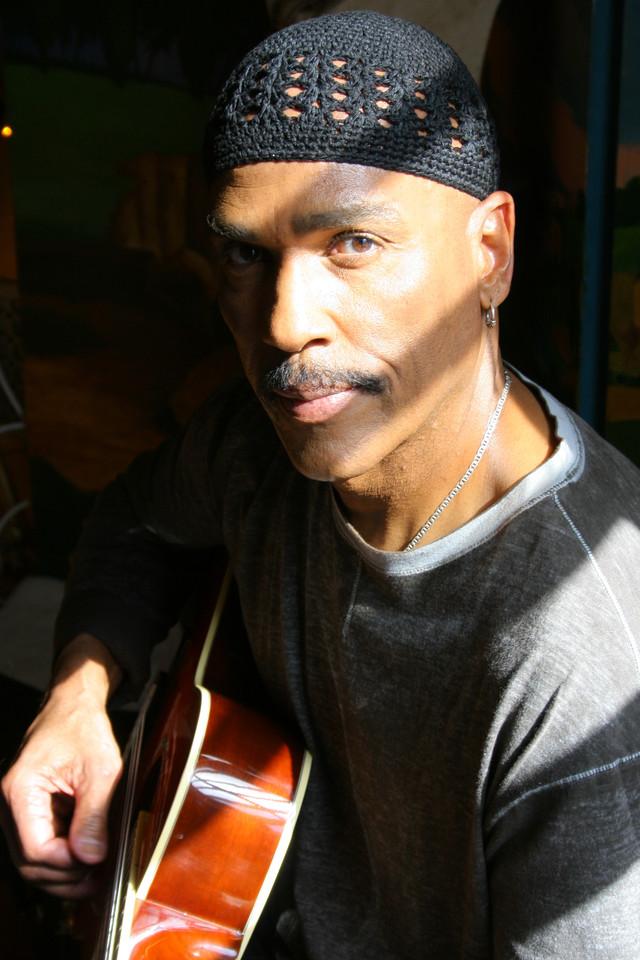
Gary Taylor’s Spotify BioGary Taylor placed only five singles on the Billboard R&B chart from 1983 through 1991. Among serious listeners who favor nuanced and sophisticated R&B, however, he's one of the more beloved producers of quiet storm ballads and mellow grooves. The Los Angeles native wrote songs for Platypus, Executive, and Michael Wycoff before he signed with A&M. As a recording artist, he debuted as G.T. in 1983 with a self-titled album. It was the source of "On the Line," a loose boogie single that reached number 33 on the R&B chart. After its release, Taylor went back to composing material for other artists. His biggest success during this period was his work with the Whispers; he wrote, produced, arranged, played, and sang on the title track for Just Gets Better with Time -- a song that narrowly missed the R&B Top Ten -- and he also sang background on the bigger "Rock Steady."
Taylor truly hit his stride in 1988. That was the year he made his mark as a solo artist by releasing his second solo album,… Compassion, for Virgin. Its "Tease Me" quickly became a quiet storm staple. Additionally, he also wrote "Good Love," one of the highlights from Anita Baker's multi-platinum Giving You the Best That I Got, issued later that year. The following decade, he released four albums, founded the Morning Crew label, and had his songs recorded by an impressive list of artists, including Mac Band, Lalah Hathaway, and Jennifer Holliday. Square One (1993), titled after a song he previously granted to Ray Parker, Jr., was the strongest solo album from that decade; "A.P.B." is one of several career highlights that deserved to fare better on a commercial level.
Although his rate of recording slowed a bit during the following decades, Taylor had no trouble sustaining his fan base with Under the Nightlight (2001), Eclectic Bohemian (2003), and Retro Blackness (2006), all of which were released in the U.S. on Morning Crew. ~ Andy Kellman, Rovi
Viberate is a music analytics platform built for A&Rs, artist managers, labels, booking agents, marketers, and artists.
It helps music professionals track artist growth, analyze audience data, monitor playlist activity, compare artists, follow song performance, and identify opportunities across the music market.
Public artist pages provide a free preview of selected artist data. Paid plans provide access to deeper analytics, historical data, charts, comparisons, playlist tools, exports, alerts, reports, and additional professional features.
Yes. Public Viberate artist pages provide selected artist analytics and music data for free.
Viberate also offers a 7-day free trial of the full platform. A credit card is required to start the trial. The trial includes access to the complete product so users can test deeper artist analytics, historical views, playlist insights, comparisons, charts, exports, alerts, and reporting features before choosing a paid plan.
Viberate provides artist analytics across streaming, playlists, social media, video, radio airplay, songs, and audience markets.
Users can analyze Spotify performance, Spotify and Apple Music playlists, YouTube activity, TikTok and Instagram growth, radio spins, song performance, audience locations, demographics, rankings, and overall artist momentum.
Artist profiles also connect to music charts, similar artists, and comparison tools, helping users benchmark performance and evaluate artists in context.
Viberate updates key artist and track data daily.
For followed artists and tracks, selected data is refreshed multiple times per day. This helps teams monitor playlist changes, streaming movement, audience growth, releases, and campaign performance with more current data.
Update frequency can vary depending on the metric and data source.
Yes. Viberate lets users compare up to five artists side by side across streaming, social media, audience, and engagement metrics.
Users can compare fanbase growth, audience demographics, locations, Spotify performance, social metrics, and other artist data over selected time periods.
Artist comparison can be used for A&R scouting, benchmarking, booking decisions, campaign planning, and evaluating artists with similar audiences or market positions.