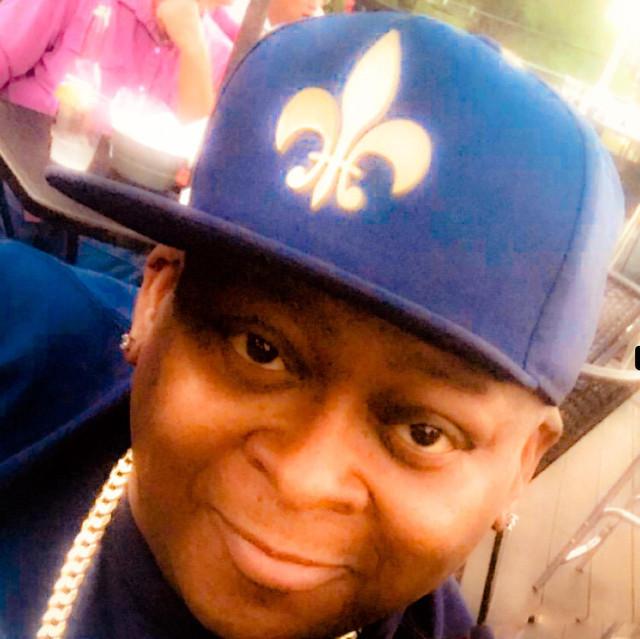
Freak Nasty

Hip Hop
Contemporary Hip Hop
Alternative Hip Hop
 Viberate Rank: 73640
 Viberate Rank: 73640
 Monthly ListenersFollowers
 Subscribers
 Followers
 Followers
 FansTop Spotify Songs
| Track | 7-Day Streams | |
|---|---|---|
1 | 134.66K | |
2 | 19.72K | |
3 | 2.15K | |
4 | 1.57K | |
5 | 1.27K |
Top YouTube VideosMonthly ListenersFeatured in Playlists| Playlist | Followers | |
|---|---|---|
1 |  90's Nostalgia & 2000 Throw Backs! Major | 88.50K |
2 |  90s Rap, Hip Hop, and R&B Chris Balph | 66.33K |
3 |  Jock Jams Vol. 1 - 5 WE:CARE | 39.84K |
4 | I'm in love with a stripper Erin Campbell | 33.69K |
5 | Old school Funk🔥 Cesar Garcia | 32.74K |
Audience| City | Monthly Listeners | |
|---|---|---|
1 | | 5.27K |
2 | | 4.84K |
3 | | 4.08K |
4 | | 3.99K |
5 | | 3.76K |
See full performance history, audience data, playlist activity, rankings, comparisons, and more in Viberate music analytics. Start with a free trial, then continue with a paid plan.
Freak Nasty’s Spotify BioThough best known for his mid-'90s dance hit "Da Dip," rapper/DJ Freak Nasty continued a healthy music career for decades following the success of his semi-ubiquitous song. He kept his party-friendly persona going strong into the 2000s and 2010s, with rhymes about sex, celebration, and altered states fueling albums from 2000's Which Way Is Up? to 2018's Smoke It Up. Meanwhile, "Da Dip" became a part of the cultural lexicon, its resiliently catchy refrain being referenced consistently in songs from lesser-known artists and even Cardi B's multi-platinum breakthrough hit "Bodak Yellow."
Freak Nasty was born Eric Timmons in New Orleans, but he was living in Atlanta when he began working as a professional musician. He started out in the early '90s as DJ RazorCut, part of the Cash Money-signed group PMW, but went solo as Freak Nasty with a self-titled debut album in 1994. While the album sold respectably, it was his 1996 sophomore release, Controversee...That's Life...And That's the Way It… Is, and its standout track "Da Dip" that put the rapper on the map. Over the winter and spring of 1997, "Da Dip" became an underground hit, eventually reaching the mainstream and staying in the charts for weeks. Freak Nasty resurfaced in 2000 with Which Way Is Up? The album featured lead single "Do What U Feel," which made some waves in underground circles but didn't rise to the same level of popularity as "Da Dip."
Throughout the next decade he released several albums and mixtapes, like 2002's Freak Nasty World and 2006's sexually fixated From Da Street 2 Da Club. When Shop Boyz scored a hit with their 2007 single "Party Like a Rockstar," there was a minor controversy surrounding Freak Nasty's earlier track "Do It Just Like a Rockstar." Some saw his song as an attempt to cash in on another artist's hit, even though his metal-rap party anthem was recorded two years earlier. He wrote a passionate letter that was published in Billboard magazine stating his case and wishing Shop Boyz continued success. Now back in his hometown of New Orleans, Freak Nasty continued producing new material and performing live DJ sets. In addition to constantly creating new songs, he helped new artists in his community and even set up his own charity foundation.
In 2018, Freak Nasty released the laid-back Smoke It Up, featuring longtime collaborator Crazy Mike on several tracks. ~ Fred Thomas, Rovi
Viberate is a music analytics platform built for A&Rs, artist managers, labels, booking agents, marketers, and artists.
It helps music professionals track artist growth, analyze audience data, monitor playlist activity, compare artists, follow song performance, and identify opportunities across the music market.
Public artist pages provide a free preview of selected artist data. Paid plans provide access to deeper analytics, historical data, charts, comparisons, playlist tools, exports, alerts, reports, and additional professional features.
Yes. Public Viberate artist pages provide selected artist analytics and music data for free.
Viberate also offers a 7-day free trial of the full platform. A credit card is required to start the trial. The trial includes access to the complete product so users can test deeper artist analytics, historical views, playlist insights, comparisons, charts, exports, alerts, and reporting features before choosing a paid plan.
Viberate provides artist analytics across streaming, playlists, social media, video, radio airplay, songs, and audience markets.
Users can analyze Spotify performance, Spotify and Apple Music playlists, YouTube activity, TikTok and Instagram growth, radio spins, song performance, audience locations, demographics, rankings, and overall artist momentum.
Artist profiles also connect to music charts, similar artists, and comparison tools, helping users benchmark performance and evaluate artists in context.
Viberate updates key artist and track data daily.
For followed artists and tracks, selected data is refreshed multiple times per day. This helps teams monitor playlist changes, streaming movement, audience growth, releases, and campaign performance with more current data.
Update frequency can vary depending on the metric and data source.
Yes. Viberate lets users compare up to five artists side by side across streaming, social media, audience, and engagement metrics.
Users can compare fanbase growth, audience demographics, locations, Spotify performance, social metrics, and other artist data over selected time periods.
Artist comparison can be used for A&R scouting, benchmarking, booking decisions, campaign planning, and evaluating artists with similar audiences or market positions.