Tag Team

Hip Hop
Contemporary Hip Hop
Alternative Hip Hop
 Viberate Rank: 48004
 Viberate Rank: 48004
 Monthly ListenersFollowers
 Subscribers
 Followers
 Followers
 FansTop Spotify Songs
| Track | 7-Day Streams | |
|---|---|---|
1 | 351.66K | |
2 | 624 | |
3 | 580 | |
4 | 317 | |
5 | 317 |
Top YouTube VideosMonthly ListenersFeatured in Playlists| Playlist | Followers | |
|---|---|---|
1 |  Dance anos 90 e 2000 - CLÁSSICOS Danceanos90 | 197.17K |
2 |  SONGS THAT GET WHITE PEOPLE TURNT Samuel Ilias | 145.44K |
3 | ⭐️ 90s Club Anthems ⭐️ ES | 140.35K |
4 | As melhores anos 80 e 90 .... | 106.64K |
5 |  De officiële Foute 1500 | editie 2026 | Qmusic QmusicNL | 90.55K |
Audience| City | Monthly Listeners | |
|---|---|---|
1 |  | 12.63K |
2 | | 10.80K |
3 | | 10.50K |
4 | | 10.48K |
5 | | 8.77K |
See full performance history, audience data, playlist activity, rankings, comparisons, and more in Viberate music analytics. Start with a free trial, then continue with a paid plan.
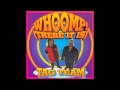
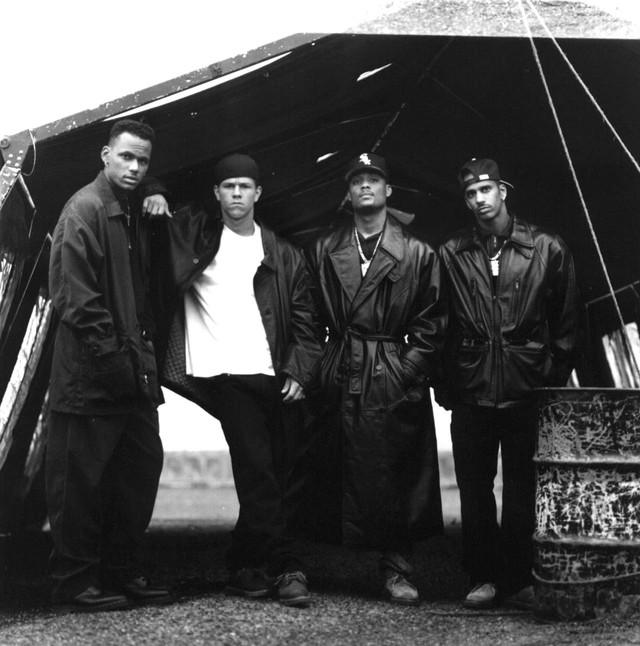
Tag Team’s Spotify BioOne of the most popular party rap/bass music duos of the early '90s, Atlanta's Tag Team -- aka Steve RollN and DC the Brain Supreme -- scored a massive hit with their 1993 single "Whoomp! There It Is," which sold over four million copies, making it one of the best-selling singles of all time. The song's booming bass and seemingly endless chant of "Whoomp! There It Is" made it instantly memorable and instantly popular; the group also turned out slight variations on the song, "Addams Family (Whoomp)" and "Bulls There It Is," that year, along with a full-length album named after their first success. But singles were Tag Team's forte, and over the next two years the duo released plenty of them, including "Here It Is, Bam!" "Whoomp! There It Went," "U Go Girl," "Pig Power," and "Funkey Situation," which was the title cut from their 1995 album. None of their efforts matched the success of "Whoomp! There It Is," however, though the single was immortalized on countless party rap and jock jams… compilations; the group released a best-of album in early 2000. ~ Heather Phares, Rovi
Viberate is a music analytics platform built for A&Rs, artist managers, labels, booking agents, marketers, and artists.
It helps music professionals track artist growth, analyze audience data, monitor playlist activity, compare artists, follow song performance, and identify opportunities across the music market.
Public artist pages provide a free preview of selected artist data. Paid plans provide access to deeper analytics, historical data, charts, comparisons, playlist tools, exports, alerts, reports, and additional professional features.
Yes. Public Viberate artist pages provide selected artist analytics and music data for free.
Viberate also offers a 7-day free trial of the full platform. A credit card is required to start the trial. The trial includes access to the complete product so users can test deeper artist analytics, historical views, playlist insights, comparisons, charts, exports, alerts, and reporting features before choosing a paid plan.
Viberate provides artist analytics across streaming, playlists, social media, video, radio airplay, songs, and audience markets.
Users can analyze Spotify performance, Spotify and Apple Music playlists, YouTube activity, TikTok and Instagram growth, radio spins, song performance, audience locations, demographics, rankings, and overall artist momentum.
Artist profiles also connect to music charts, similar artists, and comparison tools, helping users benchmark performance and evaluate artists in context.
Viberate updates key artist and track data daily.
For followed artists and tracks, selected data is refreshed multiple times per day. This helps teams monitor playlist changes, streaming movement, audience growth, releases, and campaign performance with more current data.
Update frequency can vary depending on the metric and data source.
Yes. Viberate lets users compare up to five artists side by side across streaming, social media, audience, and engagement metrics.
Users can compare fanbase growth, audience demographics, locations, Spotify performance, social metrics, and other artist data over selected time periods.
Artist comparison can be used for A&R scouting, benchmarking, booking decisions, campaign planning, and evaluating artists with similar audiences or market positions.