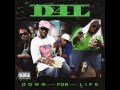
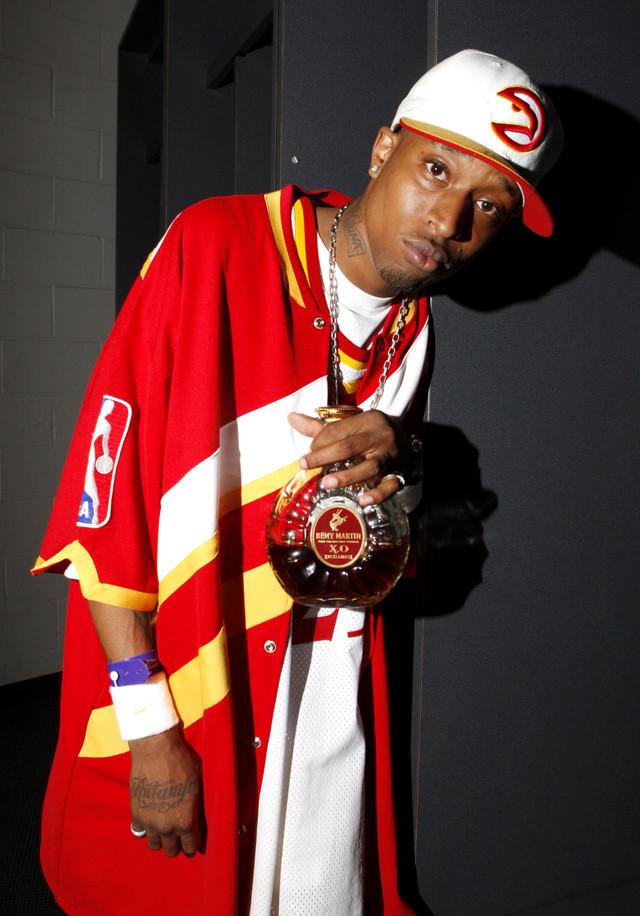
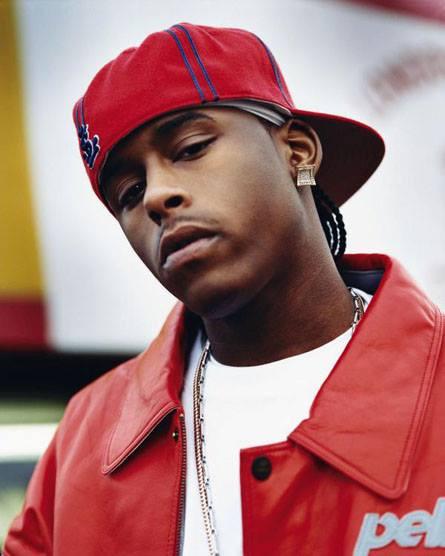
D4L

Hip Hop
Contemporary Hip Hop
Alternative Hip Hop
 Viberate Rank: 33503
 Viberate Rank: 33503
 Monthly ListenersFollowers
 Subscribers
 Followers
 Followers
 FansTop Spotify Songs
| Track | 7-Day Streams | |
|---|---|---|
1 | 709.76K | |
2 | 61.37K | |
3 | 31.67K | |
4 | 28.51K | |
5 | 8.69K |
Top YouTube Videos| Video | 7-Day Views | |
|---|---|---|
1 | 68.71K | |
2 | 11.75K | |
3 | 4.36K | |
4 | 1.43K | |
5 | 246 |
Monthly ListenersFeatured in Playlists| Playlist | Followers | |
|---|---|---|
1 |  Down South Classics Spotify | 593.31K |
2 | Grinding in a sweaty HS cafeteria Bridget Friendly | 441.15K |
3 | 2000's Booty Shakers djepitaph | 407.95K |
4 |  Sluttiest songs I could ever find aromikey | 330.12K |
5 |  Hip Hop 2000s Music - Best Hip Hop Hits of the 00s Playlist (Top Hip Hop Songs from 2000 to 2009) Redlist Playlists | 320.93K |
Audience| City | Monthly Listeners | |
|---|---|---|
1 | | 29.95K |
2 | | 28.08K |
3 | | 25.02K |
4 | | 24.95K |
5 | | 20.29K |
See full performance history, audience data, playlist activity, rankings, comparisons, and more in Viberate music analytics. Start with a free trial, then continue with a paid plan.
D4L’s Spotify BioAtlanta foursome D4L broke out in 2005 with the song "Laffy Taffy," one of several crossover tracks released during the early 2000s to inspire revelry as often as contempt, depending on listeners' tolerance for cleverly produced tracks with sharp hooks and crude sexual euphemisms. Originally released independently around D4L's native Atlanta, the song would eventually climb to number one on the Billboard Hot 100 in 2006. The group -- formed in 2003 by Fa-bo, Mook-B, Stoney, and Shawty Lo -- were snapped up by the Atlantic-distributed Asylum for the release of their debut. Down for Life was released in November 2005 and hit the Top 25. Although it was the group's sole release, members of the group would embark on solo careers, most notably frontman Shawty Lo. On September 21, 2016, he was killed in a hit-and-run accident outside an Atlanta club at the age of 40. ~ Andy Kellman & Neil Z. Yeung, Rovi
Viberate is a music analytics platform built for A&Rs, artist managers, labels, booking agents, marketers, and artists.
It helps music professionals track artist growth, analyze audience data, monitor playlist activity, compare artists, follow song performance, and identify opportunities across the music market.
Public artist pages provide a free preview of selected artist data. Paid plans provide access to deeper analytics, historical data, charts, comparisons, playlist tools, exports, alerts, reports, and additional professional features.
Yes. Public Viberate artist pages provide selected artist analytics and music data for free.
Viberate also offers a 7-day free trial of the full platform. A credit card is required to start the trial. The trial includes access to the complete product so users can test deeper artist analytics, historical views, playlist insights, comparisons, charts, exports, alerts, and reporting features before choosing a paid plan.
Viberate provides artist analytics across streaming, playlists, social media, video, radio airplay, songs, and audience markets.
Users can analyze Spotify performance, Spotify and Apple Music playlists, YouTube activity, TikTok and Instagram growth, radio spins, song performance, audience locations, demographics, rankings, and overall artist momentum.
Artist profiles also connect to music charts, similar artists, and comparison tools, helping users benchmark performance and evaluate artists in context.
Viberate updates key artist and track data daily.
For followed artists and tracks, selected data is refreshed multiple times per day. This helps teams monitor playlist changes, streaming movement, audience growth, releases, and campaign performance with more current data.
Update frequency can vary depending on the metric and data source.
Yes. Viberate lets users compare up to five artists side by side across streaming, social media, audience, and engagement metrics.
Users can compare fanbase growth, audience demographics, locations, Spotify performance, social metrics, and other artist data over selected time periods.
Artist comparison can be used for A&R scouting, benchmarking, booking decisions, campaign planning, and evaluating artists with similar audiences or market positions.