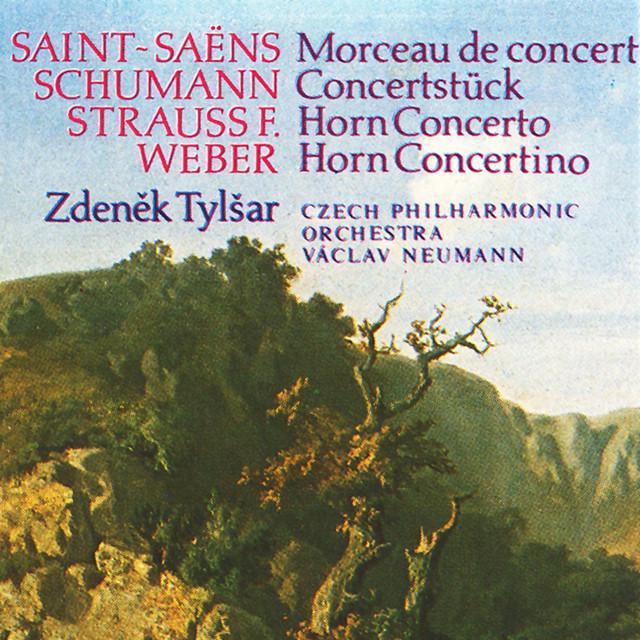
Franz Danzi

Classical
Orchestral
 Viberate Rank: 388469
 Viberate Rank: 388469
 Monthly ListenersFollowers
 Subscribers
 Followers
 Followers
 FansTop Spotify Songs
| Track | 7-Day Streams | |
|---|---|---|
1 | 3.23K | |
2 | 2.70K | |
3 | 803 | |
4 | 370 | |
5 | 192 |
Top YouTube Videos| Video | 7-Day Views | |
|---|---|---|
1 | 2 |
Monthly ListenersFeatured in Playlists| Playlist | Followers | |
|---|---|---|
1 |  Klassik zum Entspannen Filtr Germany | 42.04K |
2 |  Light Classical Music philkdick1111 | 8.01K |
3 |  Relax ... Classical music Bart van den Berge | 5.01K |
4 |  French Horn Solos 📯 gabbylou0100 | 4.55K |
5 |  Chamber Music for Self-Renewal synergy555 | 4.21K |
Audience| City | Monthly Listeners | |
|---|---|---|
1 |  | 209 |
2 |  | 181 |
3 |  | 164 |
4 |  | 160 |
5 |  | 154 |
See full performance history, audience data, playlist activity, rankings, comparisons, and more in Viberate music analytics. Start with a free trial, then continue with a paid plan.
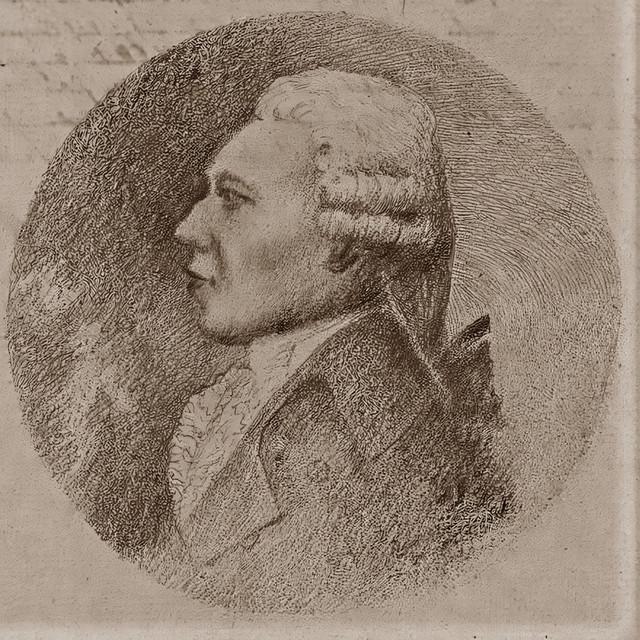
Franz Danzi’s Spotify BioItalian composer Franz Danzi was an influence on Carl Maria von Weber and is sometimes classified as a "pre-Romantic" composer. He was the third musical child of Innozenz Danzi, an Italian cellist and member of the famous Mannheim Orchestra. Franz took cello, keyboard, and singing lessons from his father and won a job as cellist himself at Mannheim when he was only 15.
In March 1778 the Palatine electoral court and the orchestra moved to Munich, the elder Danzi went also, but Franz stayed behind to become a member of the newly organized National Theater orchestra; the Elector hoped to establish a German musical theater to counter the vogue for Italian works. Danzi also studied at the Abbé Vogler's Mannheim School of Music. The effort to establish a German theater meant work for talented composers, and although Danzi was young, he was given assignments to write incidental music.
In 1783 Danzi's father retired as cellist in the orchestra in Munich, and Franz went there to take his place.… Thanks to his theatrical experience, Danzi was asked to compose an opera in Munich, a comic opera called Mitternachtsstunde (In the Midnight Hour). It was a hit, published, and played in many theaters. In 1790 Danzi married; he and his wife toured widely in Europe for several years and landed in Venice, where he became Kapellmeister, and she became prima donna of the Guardasoni company.
Danzi returned to Munich and in 1798 took a job supervising German musical theater and church music at the court. Two years later his wife died, and he also faced opposition from rival composers and the new elector. In 1807 he took an appointment as Kapellmeister in the court of King Frederick II of Württemberg in Stuttgart. In some respects it was a difficult appointment, but Danzi had one great compensation for the trials he endured: the fledgling composer Carl Maria von Weber was the secretary to the King's brother.
Although they were of different generations, Danzi and Weber became close personal and professional friends. Danzi was a trusted mentor to whom Weber showed his opera in progress, Silvana, for comments and assistance in working out problems. Danzi also organized the premiere of Weber's Abu Hassan. In 1812, after Weber fled Stuttgart to evade his father's debts, Danzi was given the additional duty of the teaching of musical composition in the new Institute of Art. He ended his career as Kapellmeister at the Baden court in Karlsruhe until his death, continuing to promote and produce Weber's works.
Danzi's operas were well known in his time; Iphigenie in Aulis was an unusual example for the time of a German opera with continuous music and no dialogue. He also wrote a large quantity of orchestral and chamber music, and songs. While works fell into classical forms, he kept up with modern harmonic ideas, on view among other places in the unusual amount of chromaticism he tended to use in the inner voices of his pieces.
Viberate is a music analytics platform built for A&Rs, artist managers, labels, booking agents, marketers, and artists.
It helps music professionals track artist growth, analyze audience data, monitor playlist activity, compare artists, follow song performance, and identify opportunities across the music market.
Public artist pages provide a free preview of selected artist data. Paid plans provide access to deeper analytics, historical data, charts, comparisons, playlist tools, exports, alerts, reports, and additional professional features.
Yes. Public Viberate artist pages provide selected artist analytics and music data for free.
Viberate also offers a 7-day free trial of the full platform. A credit card is required to start the trial. The trial includes access to the complete product so users can test deeper artist analytics, historical views, playlist insights, comparisons, charts, exports, alerts, and reporting features before choosing a paid plan.
Viberate provides artist analytics across streaming, playlists, social media, video, radio airplay, songs, and audience markets.
Users can analyze Spotify performance, Spotify and Apple Music playlists, YouTube activity, TikTok and Instagram growth, radio spins, song performance, audience locations, demographics, rankings, and overall artist momentum.
Artist profiles also connect to music charts, similar artists, and comparison tools, helping users benchmark performance and evaluate artists in context.
Viberate updates key artist and track data daily.
For followed artists and tracks, selected data is refreshed multiple times per day. This helps teams monitor playlist changes, streaming movement, audience growth, releases, and campaign performance with more current data.
Update frequency can vary depending on the metric and data source.
Yes. Viberate lets users compare up to five artists side by side across streaming, social media, audience, and engagement metrics.
Users can compare fanbase growth, audience demographics, locations, Spotify performance, social metrics, and other artist data over selected time periods.
Artist comparison can be used for A&R scouting, benchmarking, booking decisions, campaign planning, and evaluating artists with similar audiences or market positions.