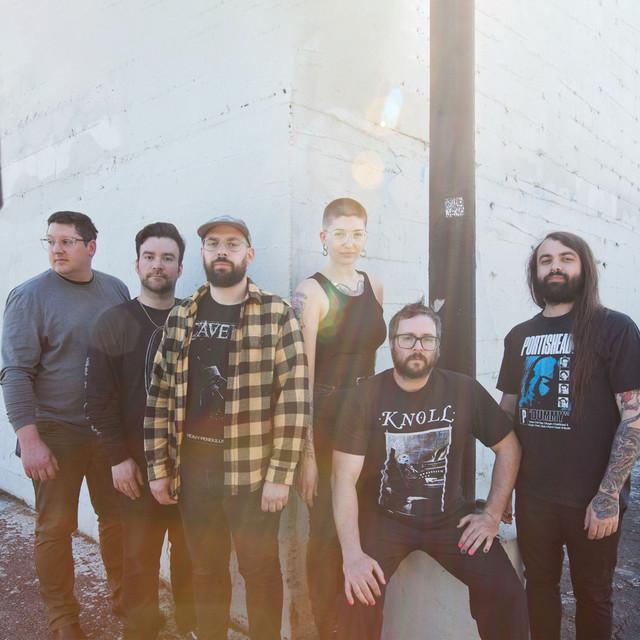
Foxing

Rock
Indie Rock
Alternative Rock
 Viberate Rank: 61167
 Viberate Rank: 61167
 Monthly ListenersFollowers
 Subscribers
 Followers
 Followers
 FansTop Spotify Songs
| Track | 7-Day Streams | |
|---|---|---|
1 | 24.57K | |
2 | 13.62K | |
3 | 7.61K | |
4 | 6.03K | |
5 | 5.64K |
Top YouTube VideosMonthly ListenersFeatured in Playlists| Playlist | Followers | |
|---|---|---|
1 |  Emo Forever Spotify | 1.94M |
2 |  License To Chill Spotify | 484.57K |
3 |  Fidi & Bumsi Spotify | 353.24K |
4 |  emo right now Spotify | 87.65K |
5 |  This Is Mike Shinoda Spotify | 67.80K |
Audience| City | Monthly Listeners | |
|---|---|---|
1 | | 3.06K |
2 | | 2.17K |
3 | | 2.13K |
4 | | 2.12K |
5 | | 1.72K |
See full performance history, audience data, playlist activity, rankings, comparisons, and more in Viberate music analytics. Start with a free trial, then continue with a paid plan.
Foxing’s Spotify BioBeneath the audible progress of Foxing's 13 year career - from the chamber emo of debut The Albatross to the art pop of 2021's Draw Down The Moon - has been a gradual movement towards self-sufficiency. Appropriately, the quartet of vocalist Conor Murphy, guitarist Eric Hudson, drummer Jon Hellwig, and bassist Brett Torrence chose to self-title their fifth LP simply, Foxing. The album was entirely produced by the band and mixed by Hudson. The cover art was created by Murphy and Torrence, and it is being released on the band's own Grand Paradise label.
DIY requires doing, and Foxing was not an easy album to make. I share a studio space with the band and was an onlooker to the tedious two year process of its creation. I was jarred by explosive cheering as the band turned the basement hallway into a makeshift putting green during breaks. I overheard arguments that were decibels shy of shouting matches. It is fitting that tension is at the core of Foxing, an album that balances hopefulness… and nihilism, the pastoral with the tumultuous. Whether oscillating between visceral noise rock & intimate bedroom cassette experiments on opener "Secret History" or cruising at the edge of collapse on "Barking," the dramatic dynamics that have long permeated Foxing's music have never felt so extreme. Five albums into a discography defined by its own restlessness, Foxing is a document of a band finding comfort in their own chaos.
- Ryan Wasoba
Viberate is a music analytics platform built for A&Rs, artist managers, labels, booking agents, marketers, and artists.
It helps music professionals track artist growth, analyze audience data, monitor playlist activity, compare artists, follow song performance, and identify opportunities across the music market.
Public artist pages provide a free preview of selected artist data. Paid plans provide access to deeper analytics, historical data, charts, comparisons, playlist tools, exports, alerts, reports, and additional professional features.
Yes. Public Viberate artist pages provide selected artist analytics and music data for free.
Viberate also offers a 7-day free trial of the full platform. A credit card is required to start the trial. The trial includes access to the complete product so users can test deeper artist analytics, historical views, playlist insights, comparisons, charts, exports, alerts, and reporting features before choosing a paid plan.
Viberate provides artist analytics across streaming, playlists, social media, video, radio airplay, songs, and audience markets.
Users can analyze Spotify performance, Spotify and Apple Music playlists, YouTube activity, TikTok and Instagram growth, radio spins, song performance, audience locations, demographics, rankings, and overall artist momentum.
Artist profiles also connect to music charts, similar artists, and comparison tools, helping users benchmark performance and evaluate artists in context.
Viberate updates key artist and track data daily.
For followed artists and tracks, selected data is refreshed multiple times per day. This helps teams monitor playlist changes, streaming movement, audience growth, releases, and campaign performance with more current data.
Update frequency can vary depending on the metric and data source.
Yes. Viberate lets users compare up to five artists side by side across streaming, social media, audience, and engagement metrics.
Users can compare fanbase growth, audience demographics, locations, Spotify performance, social metrics, and other artist data over selected time periods.
Artist comparison can be used for A&R scouting, benchmarking, booking decisions, campaign planning, and evaluating artists with similar audiences or market positions.