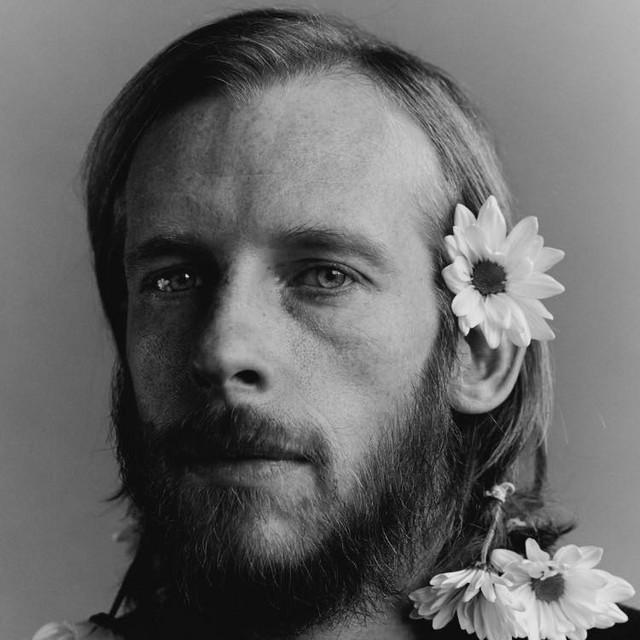
Dear and the Headlights

Rock
Indie Rock
Alternative Rock
 Viberate Rank: 157743
 Viberate Rank: 157743
 Monthly ListenersFollowers
 Subscribers
 Followers
 Followers
 FansTop Spotify Songs
| Track | 7-Day Streams | |
|---|---|---|
1 | 14.71K | |
2 | 4.91K | |
3 | 3.83K | |
4 | 2.71K | |
5 | 2.35K |
Top YouTube Videos| Video | 7-Day Views | |
|---|---|---|
1 | 377 |
Monthly ListenersFeatured in Playlists| Playlist | Followers | |
|---|---|---|
1 |  The Sound of Indie Rock The Sounds of Spotify | 12.89K |
2 | Arctic Monkeys, The Kooks, Indie Music! duck_leaf | 12.74K |
3 |  Modern Rock (2000-2026) Emotive Audio | 11.36K |
4 |  the saddest midwest emo songs midwest.merky | 10.19K |
5 |  PrizzaJam Prizza Mike | 6.89K |
Audience| City | Monthly Listeners | |
|---|---|---|
1 | | 1.47K |
2 | | 1.18K |
3 | | 1.06K |
4 | | 1.03K |
5 | | 1.02K |
See full performance history, audience data, playlist activity, rankings, comparisons, and more in Viberate music analytics. Start with a free trial, then continue with a paid plan.
Dear and the Headlights’ Spotify BioHailing from Phoenix, AZ, the indie rock band Dear and the Headlights comprises Ian Metzger (vocals, guitar), Joel Marquard (vocals, guitar, keyboard), Chuckie Duff (bass, keyboard), PJ Waxman (vocals, guitar), and Mark Kulvinskas (drums). Prior to the group's formation in 2005, Metzger, Marquard, and Waxman had been playing music together without a rhythm section. Friend Chuckie Duff offered to record a few demo songs, but the lineup disbanded after the demos were done. Months later, Duff convinced the band to reassemble. He joined on bass and financed a full-length recording, while drummer Kulvinskas enlisted just in time for the band's first show a couple of weeks later. The quintet was soon opening for the likes of the Bravery, matt pond PA, Make Believe, Idlewild, and the Hold Steady. Dear and the Headlights signed with Equal Vision Records in November 2006, with the album Small Steps, Heavy Hooves arriving in February 2007. Drunk Like the Bible Times followed in September 2008,… catering to an audience that had considerably expanded since the band's tours with the likes of Jimmy Eat World and Paramore. ~ Kenyon Hopkin, Rovi
Viberate is a music analytics platform built for A&Rs, artist managers, labels, booking agents, marketers, and artists.
It helps music professionals track artist growth, analyze audience data, monitor playlist activity, compare artists, follow song performance, and identify opportunities across the music market.
Public artist pages provide a free preview of selected artist data. Paid plans provide access to deeper analytics, historical data, charts, comparisons, playlist tools, exports, alerts, reports, and additional professional features.
Yes. Public Viberate artist pages provide selected artist analytics and music data for free.
Viberate also offers a 7-day free trial of the full platform. A credit card is required to start the trial. The trial includes access to the complete product so users can test deeper artist analytics, historical views, playlist insights, comparisons, charts, exports, alerts, and reporting features before choosing a paid plan.
Viberate provides artist analytics across streaming, playlists, social media, video, radio airplay, songs, and audience markets.
Users can analyze Spotify performance, Spotify and Apple Music playlists, YouTube activity, TikTok and Instagram growth, radio spins, song performance, audience locations, demographics, rankings, and overall artist momentum.
Artist profiles also connect to music charts, similar artists, and comparison tools, helping users benchmark performance and evaluate artists in context.
Viberate updates key artist and track data daily.
For followed artists and tracks, selected data is refreshed multiple times per day. This helps teams monitor playlist changes, streaming movement, audience growth, releases, and campaign performance with more current data.
Update frequency can vary depending on the metric and data source.
Yes. Viberate lets users compare up to five artists side by side across streaming, social media, audience, and engagement metrics.
Users can compare fanbase growth, audience demographics, locations, Spotify performance, social metrics, and other artist data over selected time periods.
Artist comparison can be used for A&R scouting, benchmarking, booking decisions, campaign planning, and evaluating artists with similar audiences or market positions.