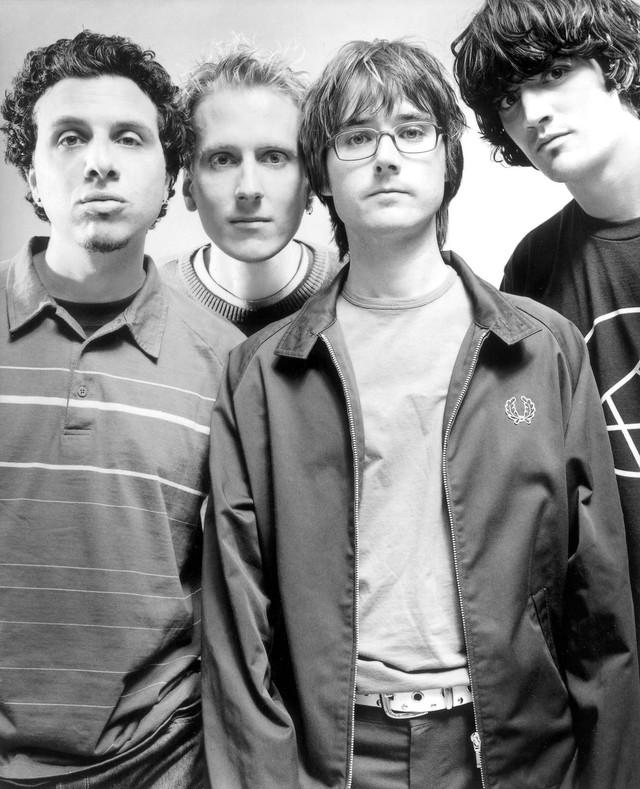
Flashlight Brown

Rock
Pop Rock
Punk Rock
Alternative Rock
 Viberate Rank: 398319
 Viberate Rank: 398319
 Monthly ListenersFollowers
 Subscribers
 Followers
 Followers
 FansTop Spotify Songs
| Track | 7-Day Streams | |
|---|---|---|
1 | 249 | |
2 | 222 | |
3 | 171 | |
4 | 80 | |
5 | 75 |
Top YouTube VideosMonthly ListenersFeatured in Playlists| Playlist | Followers | |
|---|---|---|
1 | Smallville: The Complete Soundtrack wyattpoulton | 40.35K |
2 |  Smallville: The Complete Soundtrack Anthony Jackson | 10.97K |
3 |  Smallville - Best Songs Samuel Dias | 3.17K |
4 |  Millenial Teen Movie Soundtracks Gary | 2.37K |
5 | Hootie And The Blowfish – Cracked Rear View Jeremiah Dewey | 1.02K |
Audience| City | Monthly Listeners | |
|---|---|---|
1 | | 54 |
2 | | 44 |
3 | | 35 |
4 |  | 32 |
5 | | 27 |
See full performance history, audience data, playlist activity, rankings, comparisons, and more in Viberate music analytics. Start with a free trial, then continue with a paid plan.
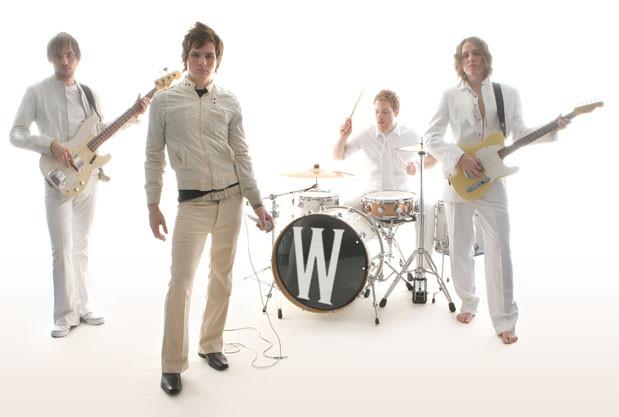
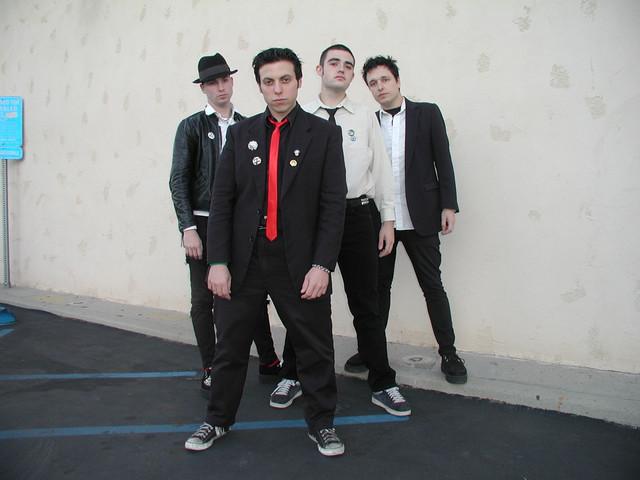
Flashlight Brown’s Spotify BioFlashlight Brown featured guitarist/vocalist Matt Hughes, drummer Tim Thomson, bassist Fil Bucchino, and guitarist Mike Conroy. Rocking out of Guelph, Ontario, in 1996, the four pals originally leaned toward a ska-inflected punk sound. They issued an eponymous album that same year on the Montreal indie STOMP, but moved to Double A for the Running Season LP a year later. Flashlight had by now established a furious touring schedule, and backed up their asphalt time with an active website. By 2000's Self-Titled Again (Union 2112), the quartet had mostly excised the ska influences from their punk-pop groove, and had added the "Brown" to their name. More touring followed, until a late 2002 showcase in L.A. led to a deal with Hollywood. Rob Cavallo -- famous helmer of Green Day's Dookie -- signed on to produce the band's major-label debut, and in April 2003, it appeared. My Degeneration featured a few new tracks and re-recordings of existing material; Flashlight Brown supported it with a… minitour of American high schools, as well as a series of more proper dates on Lollapalooza and at regular clubs that summer. ~ Johnny Loftus, Rovi
Viberate is a music analytics platform built for A&Rs, artist managers, labels, booking agents, marketers, and artists.
It helps music professionals track artist growth, analyze audience data, monitor playlist activity, compare artists, follow song performance, and identify opportunities across the music market.
Public artist pages provide a free preview of selected artist data. Paid plans provide access to deeper analytics, historical data, charts, comparisons, playlist tools, exports, alerts, reports, and additional professional features.
Yes. Public Viberate artist pages provide selected artist analytics and music data for free.
Viberate also offers a 7-day free trial of the full platform. A credit card is required to start the trial. The trial includes access to the complete product so users can test deeper artist analytics, historical views, playlist insights, comparisons, charts, exports, alerts, and reporting features before choosing a paid plan.
Viberate provides artist analytics across streaming, playlists, social media, video, radio airplay, songs, and audience markets.
Users can analyze Spotify performance, Spotify and Apple Music playlists, YouTube activity, TikTok and Instagram growth, radio spins, song performance, audience locations, demographics, rankings, and overall artist momentum.
Artist profiles also connect to music charts, similar artists, and comparison tools, helping users benchmark performance and evaluate artists in context.
Viberate updates key artist and track data daily.
For followed artists and tracks, selected data is refreshed multiple times per day. This helps teams monitor playlist changes, streaming movement, audience growth, releases, and campaign performance with more current data.
Update frequency can vary depending on the metric and data source.
Yes. Viberate lets users compare up to five artists side by side across streaming, social media, audience, and engagement metrics.
Users can compare fanbase growth, audience demographics, locations, Spotify performance, social metrics, and other artist data over selected time periods.
Artist comparison can be used for A&R scouting, benchmarking, booking decisions, campaign planning, and evaluating artists with similar audiences or market positions.