Wakefield

Punk
Pop Punk
 Viberate Rank: 398827
 Viberate Rank: 398827
 Monthly ListenersFollowers
 Subscribers
 Followers
 Followers
 FansTop Spotify Songs
| Track | 7-Day Streams | |
|---|---|---|
1 | 344 | |
2 | 336 | |
3 | 304 | |
4 | 260 | |
5 | 154 |
Top YouTube Videos| Video | 7-Day Views | |
|---|---|---|
1 | 88 | |
2 | 73 | |
3 | 25 |
Monthly ListenersFeatured in Playlists| Playlist | Followers | |
|---|---|---|
1 | Pop Punk & Alt. Metal alwaysdestroy | 36.06K |
2 | blink-182, Sum 41 and More... Sum dude | 21.20K |
3 |  Eurotrip FULL SOUNDTRACK Dan Lewis | 9.85K |
4 |  Laguna Beach playlist Justin Langford | 7.12K |
5 |  College Rock Lukas Müller | 6.48K |
Audience| City | Monthly Listeners | |
|---|---|---|
1 | | 46 |
2 | | 45 |
3 | | 34 |
4 | | 30 |
5 | | 29 |
See full performance history, audience data, playlist activity, rankings, comparisons, and more in Viberate music analytics. Start with a free trial, then continue with a paid plan.
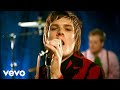
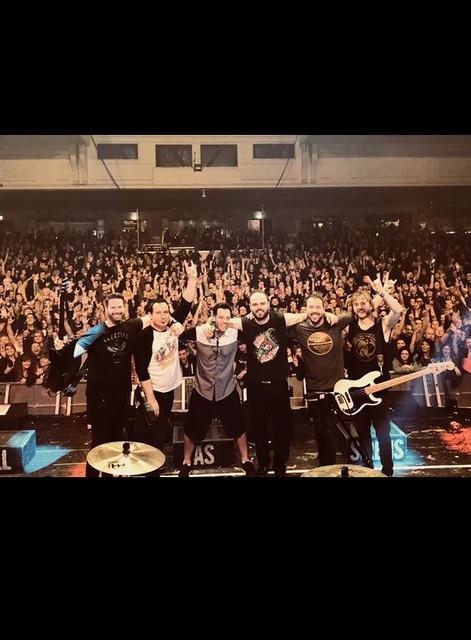
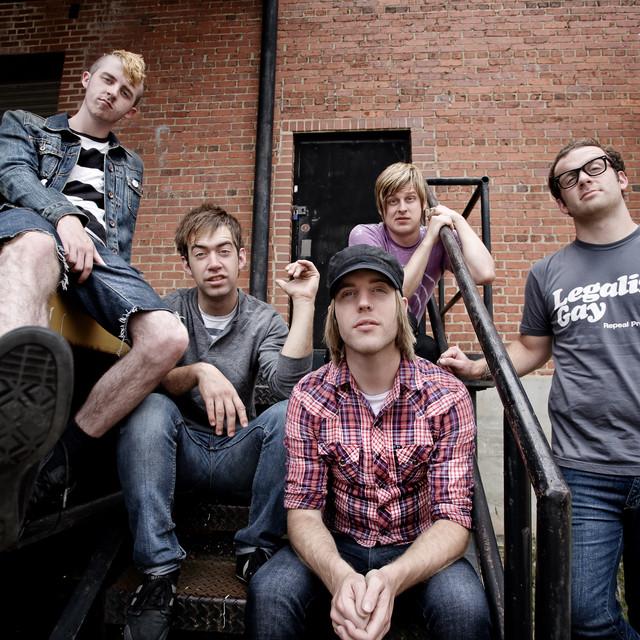
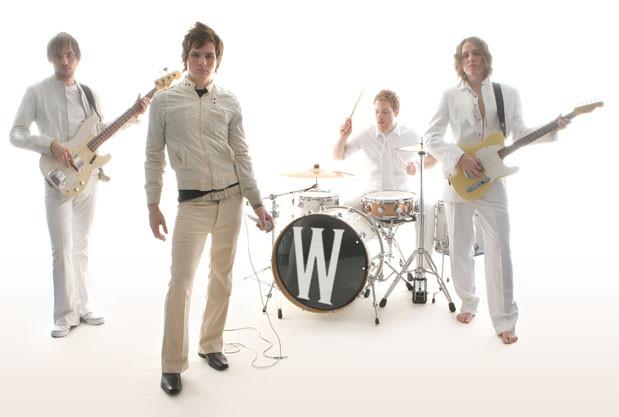
Wakefield’s Spotify BioWakefield's Ryan Escolopio (vocals/guitar), former Good Charlotte drummer Aaron Escolopio, J.D. Tennyson (guitar), and Mike Schoolden (bass) hail from Maryland. They had perfected their own bratty blend of pop-punk and post-grunge by around 2000. Tennyson and Ryan Escolopio became fast friends while still attending high school, bonding over Slipknot, Green Day, and the Police. The Escolopios' dad had played in a Journey/Chicago cover band when his sons were little, and naturally they followed in his footsteps. Tagging themselves Soar, Tennyson and the brothers Escolopio played birthday parties, weddings, and garages, coverings songs by Rage Against the Machine and the Deftones. They eventually changed their name to Ninja Penguins and started performing their own material; Wakefield was born shortly before high school graduation, and a deal with Arista followed. American Made, the band's studio debut, appeared in spring 2003. Two years later Wakefield issued Which Side Are You On? via… Jive.
Viberate is a music analytics platform built for A&Rs, artist managers, labels, booking agents, marketers, and artists.
It helps music professionals track artist growth, analyze audience data, monitor playlist activity, compare artists, follow song performance, and identify opportunities across the music market.
Public artist pages provide a free preview of selected artist data. Paid plans provide access to deeper analytics, historical data, charts, comparisons, playlist tools, exports, alerts, reports, and additional professional features.
Yes. Public Viberate artist pages provide selected artist analytics and music data for free.
Viberate also offers a 7-day free trial of the full platform. A credit card is required to start the trial. The trial includes access to the complete product so users can test deeper artist analytics, historical views, playlist insights, comparisons, charts, exports, alerts, and reporting features before choosing a paid plan.
Viberate provides artist analytics across streaming, playlists, social media, video, radio airplay, songs, and audience markets.
Users can analyze Spotify performance, Spotify and Apple Music playlists, YouTube activity, TikTok and Instagram growth, radio spins, song performance, audience locations, demographics, rankings, and overall artist momentum.
Artist profiles also connect to music charts, similar artists, and comparison tools, helping users benchmark performance and evaluate artists in context.
Viberate updates key artist and track data daily.
For followed artists and tracks, selected data is refreshed multiple times per day. This helps teams monitor playlist changes, streaming movement, audience growth, releases, and campaign performance with more current data.
Update frequency can vary depending on the metric and data source.
Yes. Viberate lets users compare up to five artists side by side across streaming, social media, audience, and engagement metrics.
Users can compare fanbase growth, audience demographics, locations, Spotify performance, social metrics, and other artist data over selected time periods.
Artist comparison can be used for A&R scouting, benchmarking, booking decisions, campaign planning, and evaluating artists with similar audiences or market positions.