Avoid One Thing

Punk
Punk Rock
Skate Punk
 Viberate Rank: 426774
 Viberate Rank: 426774
 Monthly ListenersFollowers
 Subscribers
 Followers
 Followers
 FansTop Spotify Songs
| Track | 7-Day Streams | |
|---|---|---|
1 | 607 | |
2 | 512 | |
3 | 347 | |
4 | 149 | |
5 | 69 |
Top YouTube VideosMonthly ListenersFeatured in Playlists| Playlist | Followers | |
|---|---|---|
1 |  Warped Tour 2003 Jeremy Harrison *Maimikuba* | 3.46K |
2 | 90s Alternative Deep Cuts dan_nydc | 1.32K |
3 |  Clone High Soundtrack S1 pickles | 1.22K |
Audience| City | Monthly Listeners | |
|---|---|---|
1 | | 76 |
2 | | 56 |
3 |  | 44 |
4 | | 40 |
5 | | 40 |
See full performance history, audience data, playlist activity, rankings, comparisons, and more in Viberate music analytics. Start with a free trial, then continue with a paid plan.
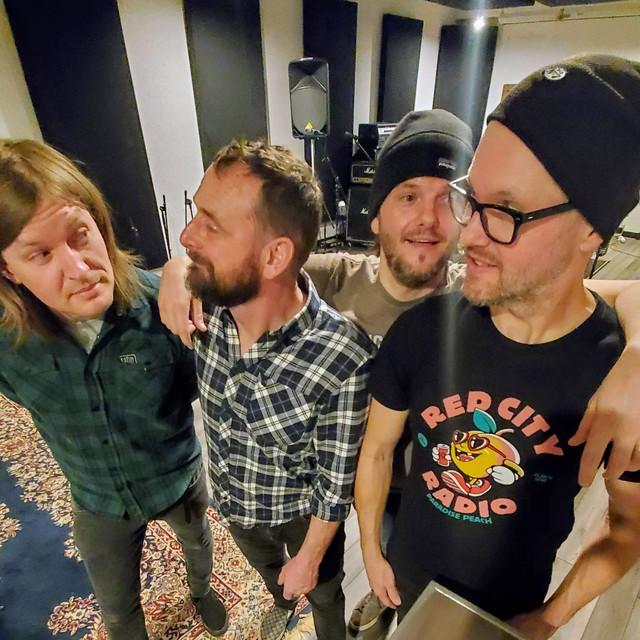
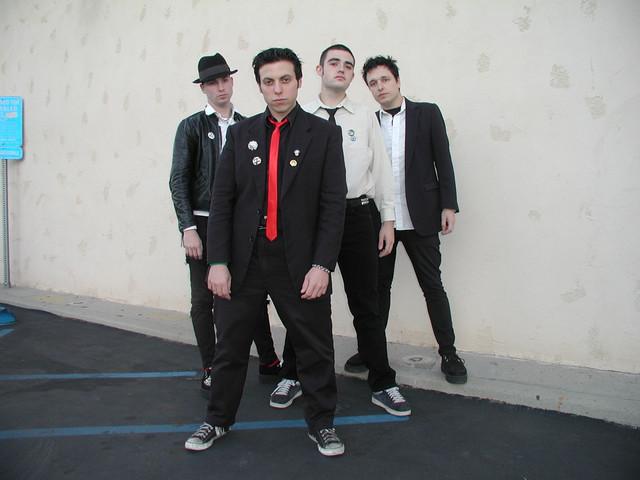
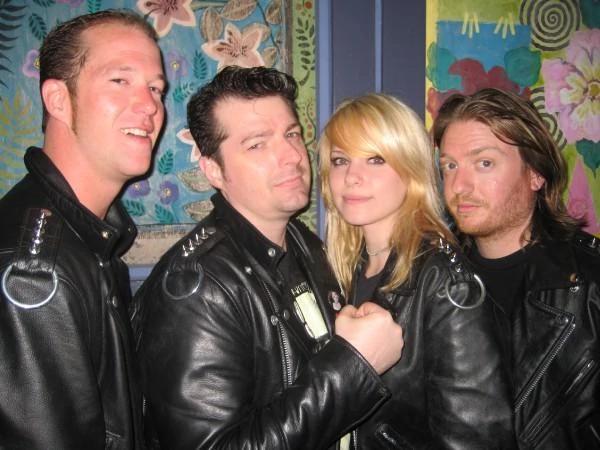
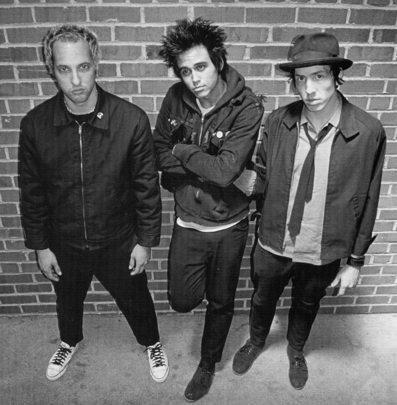
Avoid One Thing’s Spotify BioFormer Gang Green and Mighty Mighty Bosstones bassist Joe Gittleman teamed with guitarists Amy Griffin (of the Raging Teens) and Paul Delano (ex-Darkbuster), and drummer Dave Karcich to form the punk-pop foursome Avoid One Thing. The group, based in Boston, crafts a Replacements-meets-Green Day sound that is showcased on their 2002 eponymous debut, released through Side One Dummy. Gittleman had written and recorded most all of the record himself in between the Bosstones' schedule, and by the time he'd brought a band together for an East Coast tour in March 2002 (see above members), the songs had begun to take on an exciting life of their own with the outside contributions. But the week before the album's release, tragedy struck. On April 2, Karcich (who'd also served time with the Pilfers and Spring Heeled Jack) suffered a brain aneurysm and passed away three days later; his funeral was the day the record came out. Briefly considering calling it quits, Avoid One Thing ultimately knew… their friend would want nothing of the sort and carried on. The band soon transitioned from being just Gittleman's side thing into his full-time gig, and the lineup solidified around him with Griffin and drummer John Lynch. Avoid One Thing's second album, Chopstick Bridge, which consequently was much more of a group effort, appeared in May 2004. ~ Bradley Torreano, Rovi
Viberate is a music analytics platform built for A&Rs, artist managers, labels, booking agents, marketers, and artists.
It helps music professionals track artist growth, analyze audience data, monitor playlist activity, compare artists, follow song performance, and identify opportunities across the music market.
Public artist pages provide a free preview of selected artist data. Paid plans provide access to deeper analytics, historical data, charts, comparisons, playlist tools, exports, alerts, reports, and additional professional features.
Yes. Public Viberate artist pages provide selected artist analytics and music data for free.
Viberate also offers a 7-day free trial of the full platform. A credit card is required to start the trial. The trial includes access to the complete product so users can test deeper artist analytics, historical views, playlist insights, comparisons, charts, exports, alerts, and reporting features before choosing a paid plan.
Viberate provides artist analytics across streaming, playlists, social media, video, radio airplay, songs, and audience markets.
Users can analyze Spotify performance, Spotify and Apple Music playlists, YouTube activity, TikTok and Instagram growth, radio spins, song performance, audience locations, demographics, rankings, and overall artist momentum.
Artist profiles also connect to music charts, similar artists, and comparison tools, helping users benchmark performance and evaluate artists in context.
Viberate updates key artist and track data daily.
For followed artists and tracks, selected data is refreshed multiple times per day. This helps teams monitor playlist changes, streaming movement, audience growth, releases, and campaign performance with more current data.
Update frequency can vary depending on the metric and data source.
Yes. Viberate lets users compare up to five artists side by side across streaming, social media, audience, and engagement metrics.
Users can compare fanbase growth, audience demographics, locations, Spotify performance, social metrics, and other artist data over selected time periods.
Artist comparison can be used for A&R scouting, benchmarking, booking decisions, campaign planning, and evaluating artists with similar audiences or market positions.