Finitribe

Rock
Pop Rock
Alternative Rock
 Viberate Rank: 424475
 Viberate Rank: 424475
 Monthly ListenersFollowers
 Subscribers
 Followers
 Followers
 FansTop Spotify Songs
| Track | 7-Day Streams | |
|---|---|---|
1 | 322 | |
2 | 90 | |
3 | 89 | |
4 | 80 | |
5 | 80 |
Top YouTube VideosMonthly ListenersFeatured in Playlists| Playlist | Followers | |
|---|---|---|
1 | 90s Dance Anthems Mark Jason | 47.93K |
2 | NTS LIVE Sabri M. | 20.08K |
3 |  MADCHESTER Raquel ☘️ | 16.96K |
4 | Madchester gnuvoodoo | 16.49K |
5 |  🐁 avalon emerson's 9000 dreams in the Perpetual Emotional Machine✨ avalon emerson | 12.79K |
Audience| City | Monthly Listeners | |
|---|---|---|
1 | | 102 |
2 | | 54 |
3 | | 52 |
4 |  | 28 |
5 | | 21 |
See full performance history, audience data, playlist activity, rankings, comparisons, and more in Viberate music analytics. Start with a free trial, then continue with a paid plan.
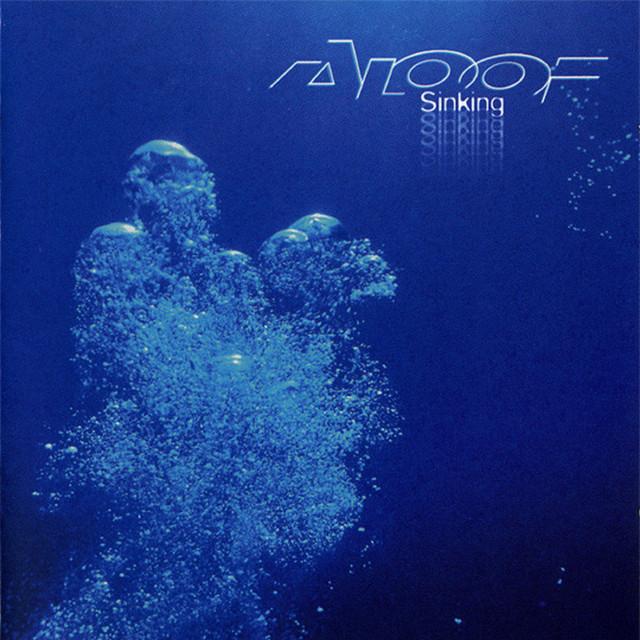
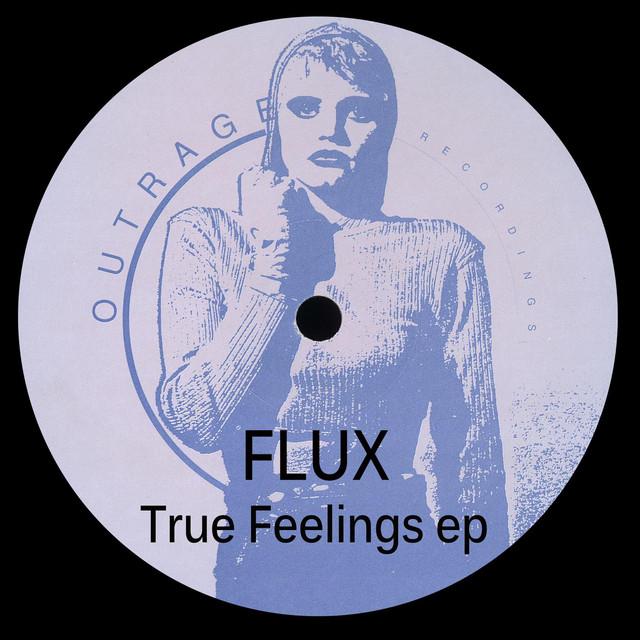
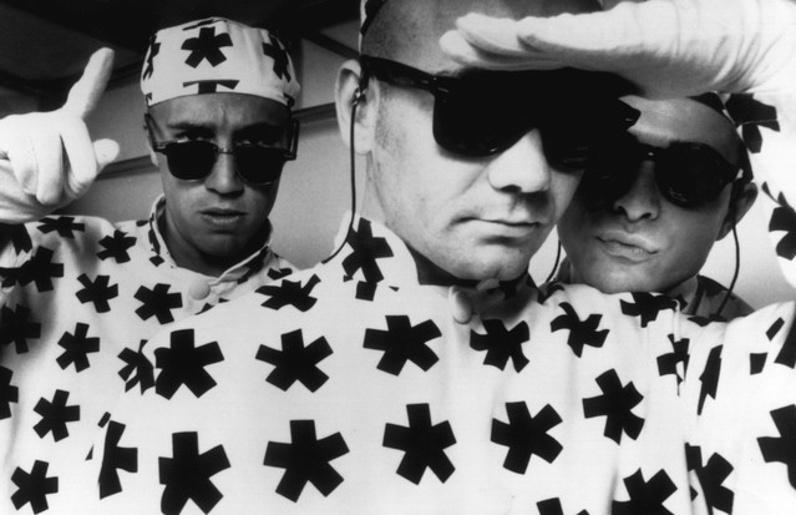
Finitribe’s Spotify BioScottish industrial dance-rockers Fini Tribe originally formed in the mid-'80s, comprised of members Chris Connelly, David Miller, Philip Pinsky, Simon McGlynn, Thomas McGregor, and John Vick. 1984 saw the group's first release, the Curling & Stretching EP, followed up by 1985's Peel Sessions and such further EPs as Let the Tribe Grow and I Want More. By 1987, however, bandmembers began to come and go, as vocalist Chris Connelly left to pursue a solo career (as well as a recurring role with Ministry), leaving the core of keyboardist Vick, percussionist Miller, and bassist Pinsky. The now three-piece version of Fini Tribe pressed on, issuing further singles ("Make it Internal," "De Testimony," "Forevergreen," etc.), as well as full-length albums (1989's Grossing 10K and Noise, Lust and Fun, 1993's An Unexpected Groovy Treat, and 1998's Sleazy Listening). ~ Greg Prato, Rovi
Viberate is a music analytics platform built for A&Rs, artist managers, labels, booking agents, marketers, and artists.
It helps music professionals track artist growth, analyze audience data, monitor playlist activity, compare artists, follow song performance, and identify opportunities across the music market.
Public artist pages provide a free preview of selected artist data. Paid plans provide access to deeper analytics, historical data, charts, comparisons, playlist tools, exports, alerts, reports, and additional professional features.
Yes. Public Viberate artist pages provide selected artist analytics and music data for free.
Viberate also offers a 7-day free trial of the full platform. A credit card is required to start the trial. The trial includes access to the complete product so users can test deeper artist analytics, historical views, playlist insights, comparisons, charts, exports, alerts, and reporting features before choosing a paid plan.
Viberate provides artist analytics across streaming, playlists, social media, video, radio airplay, songs, and audience markets.
Users can analyze Spotify performance, Spotify and Apple Music playlists, YouTube activity, TikTok and Instagram growth, radio spins, song performance, audience locations, demographics, rankings, and overall artist momentum.
Artist profiles also connect to music charts, similar artists, and comparison tools, helping users benchmark performance and evaluate artists in context.
Viberate updates key artist and track data daily.
For followed artists and tracks, selected data is refreshed multiple times per day. This helps teams monitor playlist changes, streaming movement, audience growth, releases, and campaign performance with more current data.
Update frequency can vary depending on the metric and data source.
Yes. Viberate lets users compare up to five artists side by side across streaming, social media, audience, and engagement metrics.
Users can compare fanbase growth, audience demographics, locations, Spotify performance, social metrics, and other artist data over selected time periods.
Artist comparison can be used for A&R scouting, benchmarking, booking decisions, campaign planning, and evaluating artists with similar audiences or market positions.