The Aloof

Electronic
Dance
Downtempo
 Viberate Rank: 319951
 Viberate Rank: 319951
 Monthly ListenersFollowers
 Subscribers
 Followers
 Followers
 FansTop Spotify Songs
| Track | 7-Day Streams | |
|---|---|---|
1 | 606 | |
2 | 176 | |
3 | 144 | |
4 | 144 | |
5 | 121 |
Top YouTube VideosMonthly ListenersFeatured in Playlists| Playlist | Followers | |
|---|---|---|
1 |  Late Night Tales: Digging In The Crates Late Night Tales | 7.94K |
2 |  Chillout Sessions 2 shkrk | 4.15K |
3 |  Balearic 1987 - 1997 💗 Dance Classics 🌞 Ibiza, UK, Sasha, Hacienda, Italo House Roche Rohner | 3.57K |
4 |  OFFradio.gr moutsouris | 3.55K |
5 |  Café Mallorca 2026 Afm | 3.10K |
Audience| City | Monthly Listeners | |
|---|---|---|
1 | | 325 |
2 | | 119 |
3 |  | 94 |
4 | | 94 |
5 | | 77 |
See full performance history, audience data, playlist activity, rankings, comparisons, and more in Viberate music analytics. Start with a free trial, then continue with a paid plan.
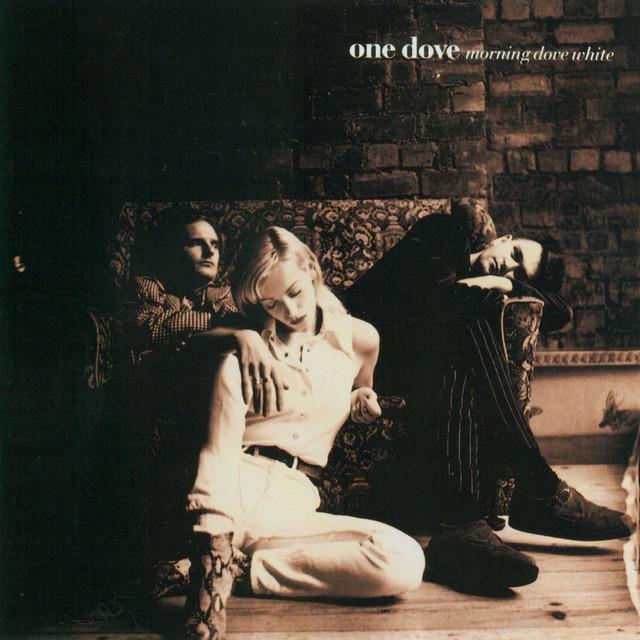
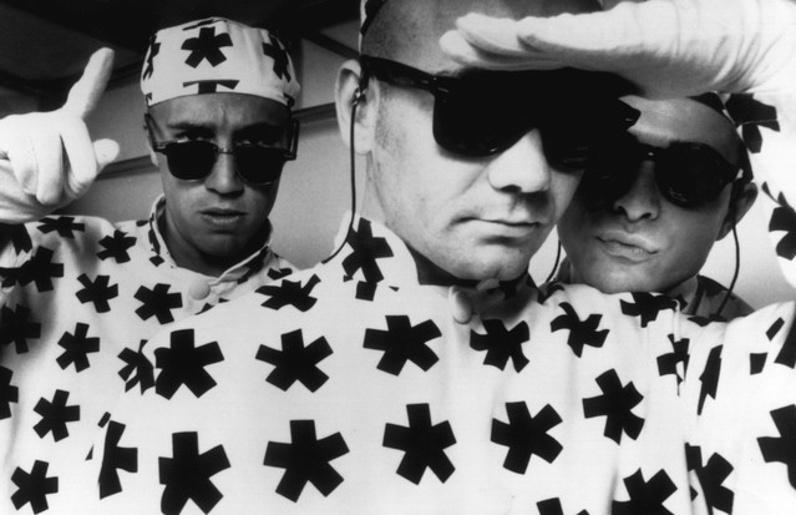
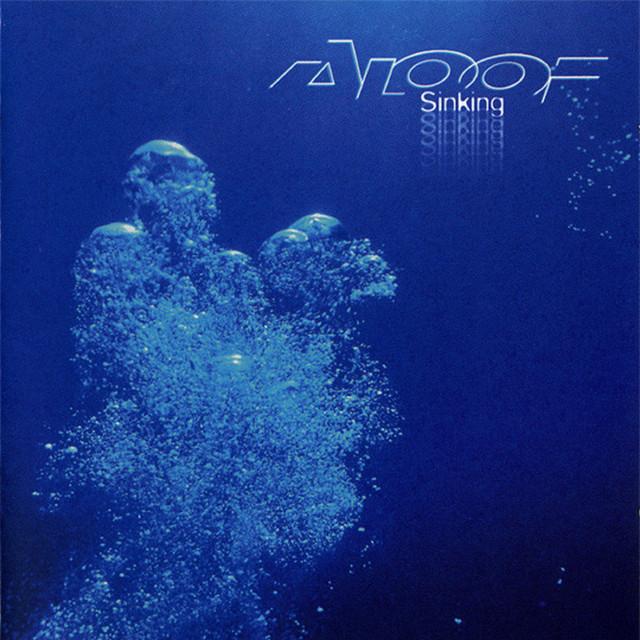
The Aloof’s Spotify BioUnlike many bands who started out playing more or less straight-ahead rock but in the late '90s began to assimilate electronic elements, the Aloof was formed as a strictly dance squad and only later added a vocalist and employed tighter song structures. The band began in 1990 when DJ Dean Thatcher and producer Jagz Kooner (also a member of Andrew Weatherall's Sabres of Paradise) issued the single "Never Get out of the Boat" on a limited white-label pressing, but was only officially launched when ffrr Records gave the single a proper release. By the following year, the duo added vocalist Ricky Barrow and programmer Gary Burns (also with the Sabres) and recorded several singles for Cowboy Records. While playing live PAs at nightclubs around Great Britain, the Aloof grew disgusted with the burnt-out house scene and decided to become a true live band. Adding drummer Richard Thair (later with Red Snapper) in 1993, the expanded quintet set up their own label, Flaw Records, and released Cover… the Crime in 1994. The album became popular on British indie charts, and earned the Aloof a contract with East West, which reissued the LP in 1995 and also released their second album Sinking one year later. The group played several festivals during the summer of 1996, opened for Leftfield and watched their single "One Night Stand" reach the British Top 30 late that year. The album Seeking Pleasure followed in 1998, though the group was dropped from East West after weak sales and a shake-up in the label's dance division. Kooner left soon after, and the Aloof moved to Screaming Target Records for 1999's This Constant Chase for Thrills. ~ John Bush, Rovi
Viberate is a music analytics platform built for A&Rs, artist managers, labels, booking agents, marketers, and artists.
It helps music professionals track artist growth, analyze audience data, monitor playlist activity, compare artists, follow song performance, and identify opportunities across the music market.
Public artist pages provide a free preview of selected artist data. Paid plans provide access to deeper analytics, historical data, charts, comparisons, playlist tools, exports, alerts, reports, and additional professional features.
Yes. Public Viberate artist pages provide selected artist analytics and music data for free.
Viberate also offers a 7-day free trial of the full platform. A credit card is required to start the trial. The trial includes access to the complete product so users can test deeper artist analytics, historical views, playlist insights, comparisons, charts, exports, alerts, and reporting features before choosing a paid plan.
Viberate provides artist analytics across streaming, playlists, social media, video, radio airplay, songs, and audience markets.
Users can analyze Spotify performance, Spotify and Apple Music playlists, YouTube activity, TikTok and Instagram growth, radio spins, song performance, audience locations, demographics, rankings, and overall artist momentum.
Artist profiles also connect to music charts, similar artists, and comparison tools, helping users benchmark performance and evaluate artists in context.
Viberate updates key artist and track data daily.
For followed artists and tracks, selected data is refreshed multiple times per day. This helps teams monitor playlist changes, streaming movement, audience growth, releases, and campaign performance with more current data.
Update frequency can vary depending on the metric and data source.
Yes. Viberate lets users compare up to five artists side by side across streaming, social media, audience, and engagement metrics.
Users can compare fanbase growth, audience demographics, locations, Spotify performance, social metrics, and other artist data over selected time periods.
Artist comparison can be used for A&R scouting, benchmarking, booking decisions, campaign planning, and evaluating artists with similar audiences or market positions.