Komputer

Electronic
Other Electronic Music
Synthpop
 Viberate Rank: 330817
 Viberate Rank: 330817
 Monthly ListenersFollowers
 Subscribers
 Followers
 Followers
 FansTop Spotify Songs
| Track | 7-Day Streams | |
|---|---|---|
1 | 124 | |
2 | 75 | |
3 | 38 | |
4 | 26 | |
5 | 23 |
Top YouTube VideosMonthly ListenersFeatured in Playlists| Playlist | Followers | |
|---|---|---|
1 |  80's 12" Mix RIDD | 3.70K |
2 | Moog this! Synthesizer, analog music Robby Boey | 2.76K |
3 | MTV's Amp R Matt Trivett | 1.78K |
4 | 80's 12 Inch Mixes stroopedog | 1.54K |
5 |  r/TheOverload Beam Scōtch | 1.27K |
Audience| City | Monthly Listeners | |
|---|---|---|
1 |  | 18 |
2 | | 14 |
3 |  | 13 |
4 | | 12 |
5 |  | 12 |
See full performance history, audience data, playlist activity, rankings, comparisons, and more in Viberate music analytics. Start with a free trial, then continue with a paid plan.
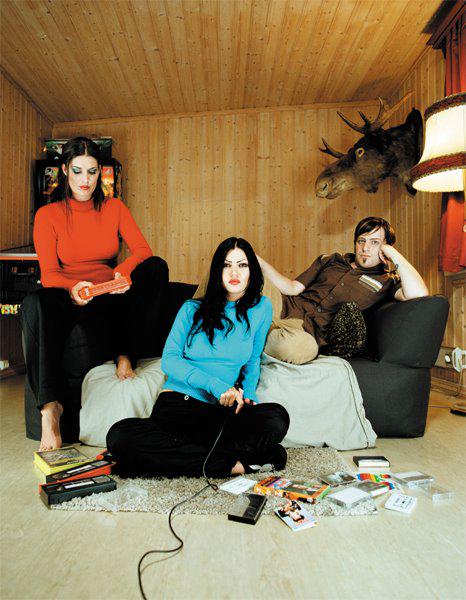
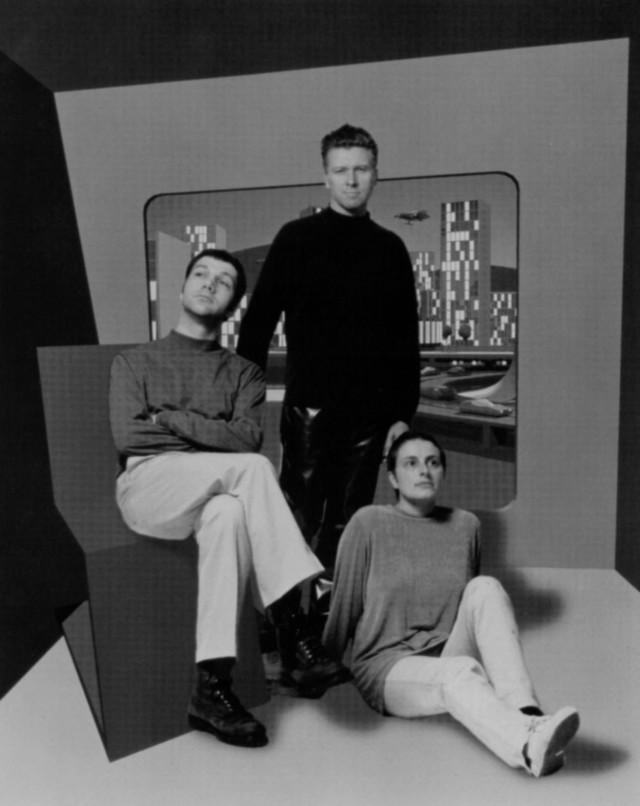
Komputer’s Spotify BioThe North London group Komputer began its career in the late '90s as an electro-pop act modeled largely after Kraftwerk but changed its style considerably in subsequent years, moving toward a more original sound. Comprised of Simon Leonard and David Baker, Komputer actually began as a trio, also featuring Jane Brereton, and debuted on Mute Records in 1996 with a self-titled, four-song EP led by "Valentina Tereshkova," a future single for the group. A year later, in October 1997, Mute released The World of Tomorrow, Komputer's first full-length album. Seemingly a literal homage to Kraftwerk, characterized largely by analog synths and vocoderized singing, the album spawned three singles -- "Looking Down on London," "Valentina," and "Terminus" -- that Mute released individually with accompanying remixes over the course of 1997 and 1998. Following these singles, Komputer remained largely silent in subsequent years, not resurfacing until late 2002 as a streamlined duo with the release of… the Market Led album, a considerable departure from the group's previous work. Influenced by the cutting-edge dance music of labels like Kompakt and Klang as well as the laptop-crafted techno of artists like Sutekh and Farben, Leonard and Baker began working with a portable studio comprised of simply a sampler and two black boxes. For their source material, the two collected abandoned vinyl found at the Spitalfields Market in East London. They then processed and altered their samples into the tracks ultimately compiled on Market Led, a somewhat experimental and wholeheartedly unique album of varied and relatively lengthy soundscapes. ~ Jason Birchmeier, Rovi
Viberate is a music analytics platform built for A&Rs, artist managers, labels, booking agents, marketers, and artists.
It helps music professionals track artist growth, analyze audience data, monitor playlist activity, compare artists, follow song performance, and identify opportunities across the music market.
Public artist pages provide a free preview of selected artist data. Paid plans provide access to deeper analytics, historical data, charts, comparisons, playlist tools, exports, alerts, reports, and additional professional features.
Yes. Public Viberate artist pages provide selected artist analytics and music data for free.
Viberate also offers a 7-day free trial of the full platform. A credit card is required to start the trial. The trial includes access to the complete product so users can test deeper artist analytics, historical views, playlist insights, comparisons, charts, exports, alerts, and reporting features before choosing a paid plan.
Viberate provides artist analytics across streaming, playlists, social media, video, radio airplay, songs, and audience markets.
Users can analyze Spotify performance, Spotify and Apple Music playlists, YouTube activity, TikTok and Instagram growth, radio spins, song performance, audience locations, demographics, rankings, and overall artist momentum.
Artist profiles also connect to music charts, similar artists, and comparison tools, helping users benchmark performance and evaluate artists in context.
Viberate updates key artist and track data daily.
For followed artists and tracks, selected data is refreshed multiple times per day. This helps teams monitor playlist changes, streaming movement, audience growth, releases, and campaign performance with more current data.
Update frequency can vary depending on the metric and data source.
Yes. Viberate lets users compare up to five artists side by side across streaming, social media, audience, and engagement metrics.
Users can compare fanbase growth, audience demographics, locations, Spotify performance, social metrics, and other artist data over selected time periods.
Artist comparison can be used for A&R scouting, benchmarking, booking decisions, campaign planning, and evaluating artists with similar audiences or market positions.