Kix

Rock
Hard Rock
Glam Metal
 Viberate Rank: 30164
 Viberate Rank: 30164
 Monthly ListenersFollowers
 Subscribers
 Followers
 Followers
 FansTop Spotify Songs
| Track | 7-Day Streams | |
|---|---|---|
1 | 109.14K | |
2 | 43.74K | |
3 | 38.84K | |
4 | 18.64K | |
5 | 14.93K |
Top YouTube VideosMonthly ListenersFeatured in Playlists| Playlist | Followers | |
|---|---|---|
1 |  80s Hard Rock Spotify | 2.35M |
2 |  Las Choppers Spotify | 220.70K |
3 |  Peacemaker Official Playlist James Gunn | 220.24K |
4 | Mat Young | 67.69K |
5 |  80's Hair Bands Greatest Hits Bob Sheridan | 64.07K |
Audience| City | Monthly Listeners | |
|---|---|---|
1 |  | 7.40K |
2 |  | 5.57K |
3 | | 5.45K |
4 | | 5.32K |
5 | | 4.35K |
See full performance history, audience data, playlist activity, rankings, comparisons, and more in Viberate music analytics. Start with a free trial, then continue with a paid plan.
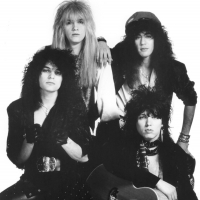
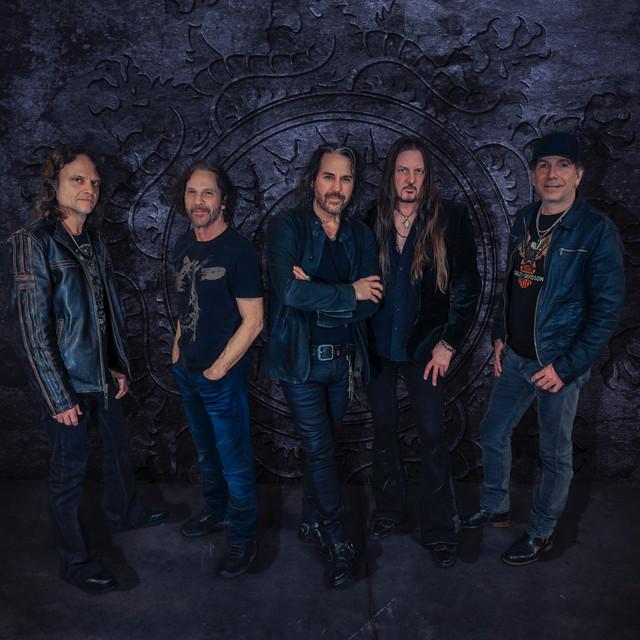
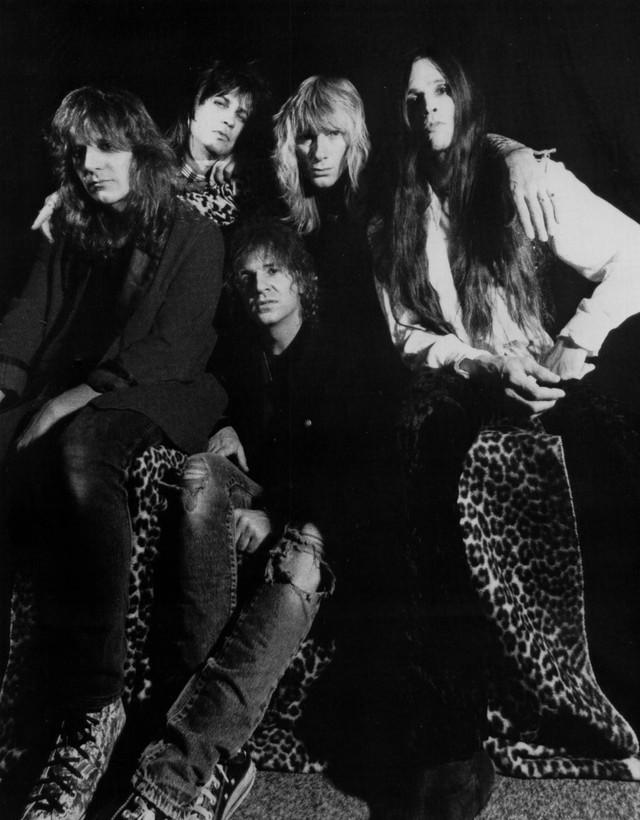
Kix’s Spotify BioKix have had exactly one hit -- the power ballad "Don't Close Your Eyes," from their 1988 album Blow My Fuse. But to call it a power ballad is to imply that the band was no different from the rest of the hard rock/heavy metal bands debuting in the late '70s and early '80s. The truth is, they were different. Kix was different simply because they were much better -- they had better hooks, they rocked harder, and they could write songs. They were also more clever than the average heavy metal band, yet that never meant they treated their adolescent anthems as jokes; it meant that they loved the music they were making so much that their albums sounded like a constant party. Naturally, they were critics' favorites and never became big stars, even in heavy metal circles; when Metallica was all the rage during the '80s, Kix's good-time metal was seen as wimpy by most metal fans. However, Kix's albums hold up better than any of the pop metal bands that sold millions of records while they were… struggling in the clubs.
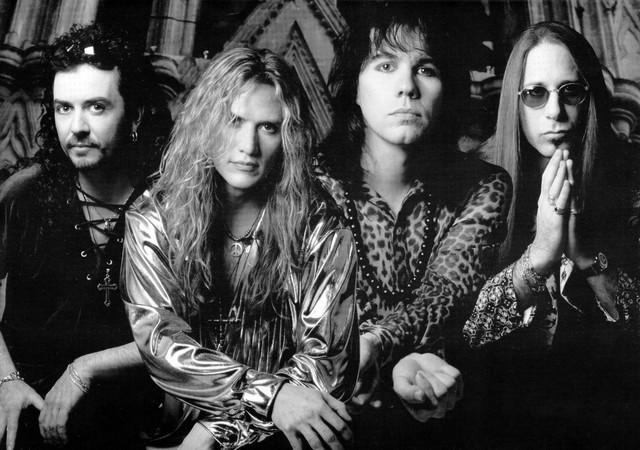
Originally calling themselves Shooze and eventually changing their name to the Generators and ultimately, Kix, Baltimore's favorite hard rock band garnered quite a reputation for themselves as one of the East Coast's most exciting live cover bands within just a few years of forming in 1978. Led by frontman Steve Whiteman and creative mastermind/bassist Donnie Purnell, the band was rounded out by drummer Jimmy Chalfant and guitarists Ronnie Younkins (nicknamed "10/10") and Brian Jay Forsythe. Hitting the club circuit six nights a week for three straight years resulted in the band cultivating a huge local fan base and led to a contract with Atlantic Records in 1981. Their self-titled debut followed that same year. Kix featured live favorites like "Atomic Bombs," the glorious "Yeah, Yeah, Yeah," and "The Kid." To support the release, the quintet set out to hit every city up and down the East Coast. Their 1983 follow-up, Cool Kids, showcased a slightly more commercial side of the band. Spearheaded by the single "Body Talk," rumors ran rampant that the song was written to appease the band's label, who, eager to capture some steam at radio, also forced the band into shooting a horrendous video for the song which featured the band in full-on workout mode. Other songs like "Restless Blood" and "Mighty Mouth" fared a little better. Eager to get back in the studio, Kix partnered up with Ratt and future Warrant producer Beau Hill and released Midnite Dynamite -- their "self-proclaimed favorite record ever." The album featured a great single, "Cold Shower," and some other notable cuts like "Sex" and "Bang Bang (Balls of Fire)."
Then a funny thing happened on the way to album number three. As the band got ready for a brief West Coast jaunt, the boys kept hearing some fishy stuff about another young, good-looking frontman by the name of Brett Michaels. The big hoopla around town was that the young upstart was said to have stolen singer Steve Whiteman's stage act. Rumor proved fact; prior to Poison relocating to Los Angeles, the band had often come out to see Kix perform live. Now local heroes in their own right, it was clear that Michaels had more than borrowed a few stage moves from the charismatic Kix singer. Sadly, when Kix got the opportunity to open for Poison at L.A.'s Country Club, their worst fears were confirmed while watching a younger, better looking, musically challenged Poison from the side of the stage.
Weathered but not out, Kix returned to the studio with hard rock veteran Tom Werman to record what became their one and only breakthrough record. The band's fourth effort, Blow My Fuse, was released in 1988 and finally featured the monstrous hit the band had worked so hard for -- the "Dream On"-inspired "Don't Close Your Eyes." As the song raced up the charts, the band began to garner the recognition they had fought so long and so hard for. To the band's credit, Blow My Fuse was a strong album. First single and video "Cold Blood," and "Blow My Fuse," "Red Lite, Green Lite, TNT," and "No Ring Around Rosie" all showcased the band doing what they did best. Kix finally graduated to arena venues, and for the next year and a half, they opened for heroes like AC/DC and Aerosmith, plus a slew of others including David Lee Roth and Ratt. Kix were on top of the world -- if only momentarily, but problems were looming on the horizon. The band's financial matters were in a state of complete disarray. Severely indebted to Atlantic, Kix faced a painful wake-up call when they realized that they hadn't made a penny off Blow My Fuse. To make matters even worse, the label had plans to shift Kix from their roster to the label's new imprint EastWest Records America. This proved to be a disastrous move for the quintet; they now had to deal with a new regime to work on their yet-to-be released fifth record. By the time Hot Wire finally hit record stores, the musical climate of 1991 had shifted dramatically from just three years earlier. Grunge was all the rage, making a band like Kix look like a laughingstock. The new trend made it virtually impossible for Kix to garner the radio support necessary for them to prosper commercially.
In hindsight, Hot Wire may have proved to be the band's best-sounding record ever. Bolstered by a little MTV airplay, the album's first single, "Girl Money," showcased everything that made Kix a first-rate bar band. With double-entendre verses in the vein of classic Bon Scott-era AC/DC, great musicianship, and a hearty sense of humor to boot, the track would have probably been huge in 1989. Selling just under 200,000 units, the album came and went while Kix returned to doing what they had done all along -- hitting the road. The band toured Asia and recorded a live record in Japan in 1992. It was released by Atlantic one year later as Kix Live, fulfilling the band's contractual obligation to the label. By the time Kix Live was released, founding member and guitarist Brian Forsythe had quit the band -- although he returned to the fold in 1994, just in time to record Show Business, the band's ill-fated debut on CMC. Released in 1995, Show Business tanked and the band decided to call it quits.
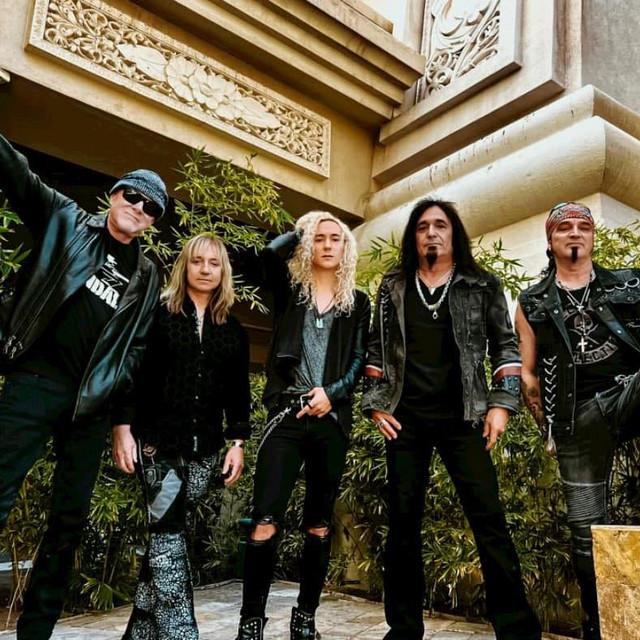
Still, after a three-year hiatus away from the music biz, Steve Whiteman re-emerged in Baltimore as the singer for Funny Money. Forming its own label, Kivel Records, Funny Money released a self-titled debut in 1998 and a sophomore follow-up, Back Again, in 1999. Forsythe played in Deep Six Holiday and Rhino Bucket, while Younkins kept active with various musical projects. Kix re-formed in the early 2000s, although without bassist and chief songwriter Donnie Purnell. Occasional summer touring followed during the 2000s, and in 2012, the band signed to Frontiers. First came the concert album Live in Baltimore, and in 2014, a full-fledged studio album titled Rock Your Face Off. It performed very well, almost equaling the chart success (if not the sales numbers) of Blow My Fuse. ~ John Franck & Stephen Thomas Erlewine, Rovi
Viberate is a music analytics platform built for A&Rs, artist managers, labels, booking agents, marketers, and artists.
It helps music professionals track artist growth, analyze audience data, monitor playlist activity, compare artists, follow song performance, and identify opportunities across the music market.
Public artist pages provide a free preview of selected artist data. Paid plans provide access to deeper analytics, historical data, charts, comparisons, playlist tools, exports, alerts, reports, and additional professional features.
Yes. Public Viberate artist pages provide selected artist analytics and music data for free.
Viberate also offers a 7-day free trial of the full platform. A credit card is required to start the trial. The trial includes access to the complete product so users can test deeper artist analytics, historical views, playlist insights, comparisons, charts, exports, alerts, and reporting features before choosing a paid plan.
Viberate provides artist analytics across streaming, playlists, social media, video, radio airplay, songs, and audience markets.
Users can analyze Spotify performance, Spotify and Apple Music playlists, YouTube activity, TikTok and Instagram growth, radio spins, song performance, audience locations, demographics, rankings, and overall artist momentum.
Artist profiles also connect to music charts, similar artists, and comparison tools, helping users benchmark performance and evaluate artists in context.
Viberate updates key artist and track data daily.
For followed artists and tracks, selected data is refreshed multiple times per day. This helps teams monitor playlist changes, streaming movement, audience growth, releases, and campaign performance with more current data.
Update frequency can vary depending on the metric and data source.
Yes. Viberate lets users compare up to five artists side by side across streaming, social media, audience, and engagement metrics.
Users can compare fanbase growth, audience demographics, locations, Spotify performance, social metrics, and other artist data over selected time periods.
Artist comparison can be used for A&R scouting, benchmarking, booking decisions, campaign planning, and evaluating artists with similar audiences or market positions.